
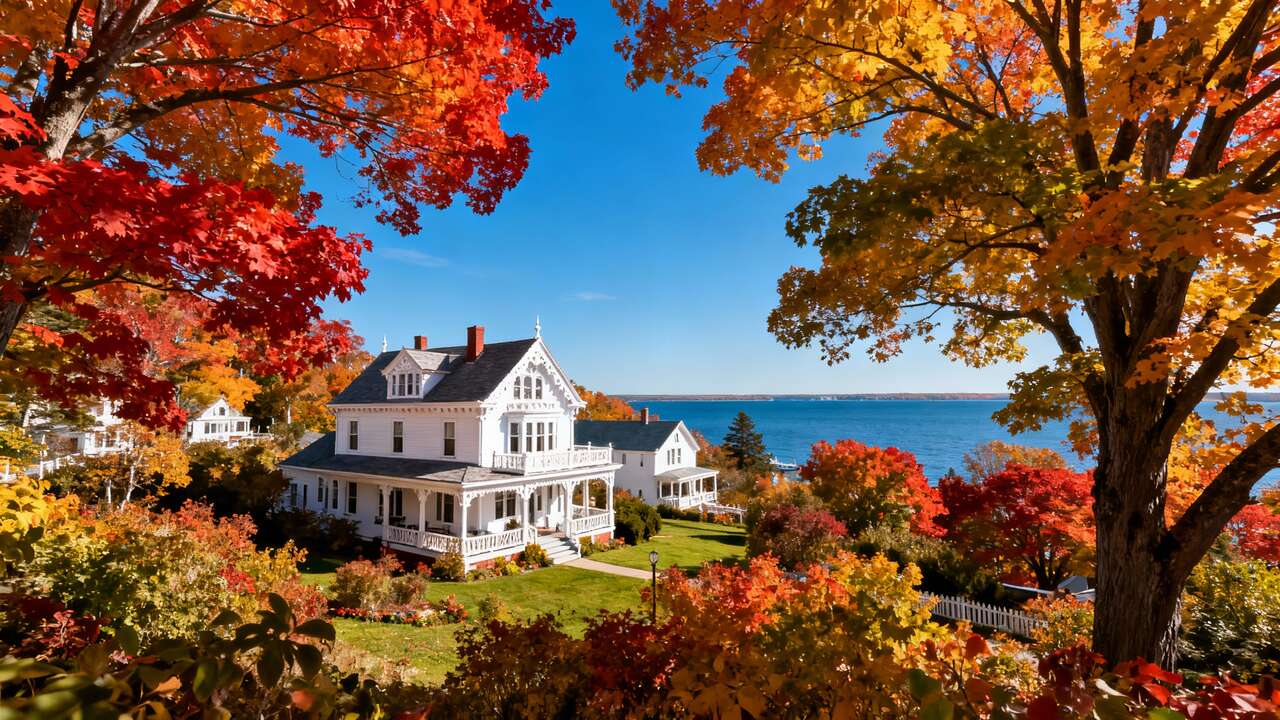

In an era dominated by the roar of engines and the rush of traffic, a small island in Lake Huron offers a profound and peaceful counter-narrative. Here, the clip-clop of horse hooves and the gentle whir of bicycle wheels replace the sounds of motor vehicles. Mackinac Island, Michigan, is a living relic, a place where a ban on automobiles enacted over a century ago has preserved a unique and tranquil way of life. As autumn drapes the island in a spectacular display of color, its timeless charm becomes even more potent, offering a magical escape from the relentless pace of the modern world.
Discovering Mackinac Island: a Timeless Gem
A Step Back in Time
Setting foot on Mackinac Island is akin to entering a meticulously preserved Victorian-era postcard. The architecture, with its grand hotels and quaint cottages, evokes a sense of nostalgia for a bygone era. The absence of cars is not just a novelty; it is the very essence of the island’s identity. This deliberate choice shapes the daily rhythm, encouraging a slower, more observant pace of life. Visitors and residents alike traverse the streets by foot, bicycle, or horse-drawn carriage, creating an atmosphere of unparalleled serenity. The air is cleaner, the streets are safer, and the community feels more connected without the barrier of steel and glass.
Geographical Uniqueness
Nestled in the waters of Lake Huron, Mackinac Island serves as a natural and historical crossroads between Michigan’s Upper and Lower Peninsulas. Its strategic location has made it significant for centuries, but its geography also contributes to its distinct character. The island is relatively small, with a perimeter of just over eight miles, making it perfectly suited for non-motorized exploration. Over 80% of the island is designated as a state park, a protected wilderness of forests, trails, and stunning geological formations. This commitment to preservation ensures that its natural beauty remains unspoiled for generations to come. Key features include:
- Arch Rock: A natural limestone arch towering nearly 150 feet above the water.
- Sugar Loaf: A 75-foot-high limestone stack, a remnant of ancient sea erosion.
- Mackinac Island State Park: Michigan’s first state park, offering miles of trails for hiking and biking.
This unique blend of preserved history and protected nature makes the island a truly timeless destination. This dedication to a specific way of life is most famously embodied by its most defining rule.
An American Car-Free Paradise
The Origins of the Ban
The island’s famous prohibition on motor vehicles is not a modern gimmick for tourists but a historic decision rooted in preserving its character. The ban dates back to 1898, when a resident’s horse was reportedly spooked by one of the first “horseless carriages” to appear on the island, leading to complaints from carriage drivers. The village council, seeking to maintain the peaceful, horse-powered way of life, passed an ordinance prohibiting automobiles. By 1900, this ban was firmly established, cementing Mackinac Island’s destiny as a car-free sanctuary. This forward-thinking decision has become its most celebrated and enduring feature, protecting it from the noise and congestion that define so many other tourist destinations.
Life Without Cars
On Mackinac Island, transportation is a tangible part of the experience. The primary modes of getting around are a throwback to the 19th century. The island is home to the world’s largest horse and buggy livery, with majestic draft horses pulling everything from public tour carriages to private taxis and even the local delivery dray. Bicycles are the other vehicle of choice, with rentals available everywhere for visitors to explore the island at their own pace. This creates a vibrant, active streetscape where human-powered transport reigns supreme.
| Mode of Transport | Experience | Pace | Best For |
|---|---|---|---|
| Horse-Drawn Carriage | Guided, relaxing, traditional | Leisurely | Sightseeing and historical tours |
| Bicycle | Active, independent, flexible | Moderate | Exploring the island’s perimeter and interior trails |
| Walking | Immersive, detailed, free | Slow | Discovering the downtown area and short trails |
Economic and Social Impact
The car-free policy is the cornerstone of Mackinac Island’s economy. While only about 600 residents live here year-round, the island welcomes approximately 1.2 million visitors annually, most of whom are drawn by its unique atmosphere. The entire tourism industry is built around this concept. Businesses from fudge shops to hotels cater to a pedestrian-focused clientele. The absence of cars also fosters a strong sense of community among the permanent residents, who rely on each other and a shared infrastructure of horse-drawn services for everything from mail delivery to emergency services. This unique lifestyle, while challenging in the winter, reinforces the island’s distinct identity and provides an economic engine that thrives on its own anachronism, an appeal that is especially strong during one particular season.
The Autumn Charm of Mackinac Island
A Tapestry of Fall Colors
While Mackinac Island is a popular summer destination, autumn unveils a different, more profound kind of beauty. As the season turns, the island’s dense forests of maple, birch, and oak trees ignite into a brilliant spectacle of red, orange, and gold. The crisp, cool air of Lake Huron sharpens the colors, creating a breathtaking panorama against the backdrop of the turquoise water. The scent of woodsmoke hangs in the air, and the rhythmic clip-clop of horses seems to echo more clearly in the quiet atmosphere. It is a sensory experience that feels both invigorating and deeply peaceful, a photographer’s dream and a nature lover’s paradise.
Fewer Crowds, More Serenity
One of the greatest advantages of visiting in the fall is the significant decrease in crowds. The summer rush subsides, leaving behind a more tranquil and intimate version of the island. This allows for a more personal experience, whether you are biking the scenic M-185 shoreline road without interruption or enjoying a quiet moment at a historic landmark. The slower pace gives visitors the chance to connect more deeply with the island’s history and natural splendor. It’s a time when you can truly feel like you have stepped back in time and have this magical place almost to yourself.
Seasonal Events and Festivities
Autumn also brings with it a host of charming seasonal activities that celebrate the harvest and the changing season. While offerings can vary, visitors can often enjoy a unique blend of fall traditions and island culture. These activities make an autumn visit even more memorable:
- Harvest Festivals: Many local businesses and hotels host events featuring seasonal foods, live music, and autumn-themed decorations.
- Halloween Weekend: The island often concludes its main tourist season with a festive Halloween celebration, featuring trick-or-treating through the car-free streets and costume parties.
- End-of-Season Sales: As shops prepare to close for the winter, visitors can find great deals on everything from fudge to souvenirs.
This quieter, more colorful season provides the perfect backdrop for engaging in the island’s signature activities.
Must-Do Activities on the Island
Exploring by Horse-Drawn Carriage
A horse-drawn carriage tour is the quintessential Mackinac Island experience. It is a tradition that predates even the car ban, with the first official carriage license issued in 1869. These narrated tours are the best way to get an overview of the island’s geography and history. Knowledgeable guides share stories of the island’s past as the carriage winds its way past Victorian cottages, through the lush state park, and up to historic Fort Mackinac. It is a relaxing and informative way to see the main sights without breaking a sweat, allowing you to simply sit back and absorb the timeless scenery.
Biking the Perimeter
For those who prefer a more active approach, renting a bicycle is a must. The most popular route is the 8.2-mile loop around the island’s perimeter on M-185, the only state highway in the United States where motor vehicles are prohibited. The path is mostly flat and offers stunning, uninterrupted views of the Straits of Mackinac and the majestic Mackinac Bridge. The ride can be completed at a leisurely pace in about an hour, with plenty of spots to stop for photos or to simply enjoy the sound of the waves. It is an experience of pure freedom and natural beauty.
Hiking and Nature Trails
Beyond the shoreline, the island’s interior boasts over 70 miles of trails that crisscross through Mackinac Island State Park. Hiking here offers a chance to escape into the quiet solitude of the forest and discover hidden gems. Trails lead to key geological formations like Arch Rock and Sugar Loaf, as well as historic sites like British Landing. In the fall, the trails are covered in a carpet of colorful leaves, making for an especially beautiful and immersive trek into the island’s rich natural and human history.
The History and Heritage of Mackinac Island
From Fur Trade to Fort
The island’s strategic location made it a vital center for the Great Lakes fur trade in the 18th and early 19th centuries. Its deep, natural harbor was a hub of activity for Native American tribes, French voyageurs, and British traders. This importance is epitomized by Fort Mackinac, which stands on the bluff overlooking the harbor. Originally built by the British during the American Revolutionary War, the fort was the site of key battles during the War of 1812. Today, the restored fort offers a vivid glimpse into the military history that shaped the region.
| Period | Key Event | Significance |
|---|---|---|
| 1780 | Fort Mackinac construction begins | Established British military control in the region |
| Early 1800s | Center of the American fur trade | Became a major economic hub |
| 1875 | Mackinac National Park established | Became the second national park in the U.S. (later a state park) |
| 1898 | Automobile ban enacted | Preserved the island’s historic character |
The Victorian Era Resort
After the fur trade declined, Mackinac Island reinvented itself in the late 19th century as a fashionable summer resort destination. Wealthy families from Chicago, Detroit, and other midwestern cities built elaborate Victorian “cottages” to escape the summer heat. The iconic Grand Hotel, with its world-famous front porch, opened in 1887 to accommodate this new wave of tourists. This era defined the island’s architectural style and cemented its reputation as a place of leisure and elegance, a character it proudly maintains to this day.
Preserving the Past
The commitment to preservation on Mackinac Island is profound. It is not just about the car ban or the historic buildings; it’s a holistic effort. Strict zoning laws ensure that new construction complements the existing Victorian aesthetic. The entire island is a designated National Historic Landmark. This collective dedication from residents and the state ensures that the island doesn’t just look like the past; it feels like it, offering an authentic experience that extends to its culinary traditions.
Local Gastronomy and Delicacies to Try
The Famous Mackinac Island Fudge
No visit to Mackinac Island is complete without indulging in its most famous export: fudge. The tradition began in the late 19th century, and today, the downtown streets are lined with fudge shops, their sweet aroma wafting through the air. Visitors can watch as confectioners craft the creamy treat the old-fashioned way, pouring hot liquid fudge onto large marble slabs and working it by hand until it cools. With dozens of flavors to choose from, sampling different varieties is a beloved island ritual and the perfect souvenir to take home.
Dining with a View
The island’s culinary scene offers a wide range of options, from casual cafes to elegant fine dining rooms. Many restaurants take full advantage of the stunning location, offering patios and dining rooms with panoramic views of the Straits of Mackinac. Fresh, locally sourced ingredients, particularly Great Lakes whitefish and trout, are featured on many menus. Whether you are enjoying a casual lunch after a bike ride or a formal dinner at the Grand Hotel, the scenic backdrop makes every meal a special occasion.
A Relaxed Pub Scene
The car-free environment has another delightful side effect: a carefree and walkable bar scene. Visitors can easily and safely hop between historic pubs, lively bars, and cozy taverns without ever needing a designated driver. Enjoying a local craft beer or a signature cocktail on an outdoor patio is a popular way to unwind after a day of exploration. It fosters a social, relaxed atmosphere where the journey between stops is as enjoyable as the destinations themselves. Some local food and drink experiences include:
- Fresh Whitefish: Often served planked, fried, or smoked.
- Pasties: A nod to the Upper Peninsula’s mining heritage, these are savory meat pies.
- Craft Beer: Featuring brews from across Michigan.
This combination of unique experiences makes the island a truly special place.
Mackinac Island stands as a testament to the idea that progress doesn’t always require acceleration. Its steadfast commitment to a car-free existence has preserved not only its historic architecture but also a more peaceful and connected way of life. The island’s enchanting blend of natural beauty, rich history, and Victorian charm, especially when amplified by the vibrant colors of autumn, offers a rare and magical retreat. A visit here is more than just a vacation; it is an invitation to slow down, breathe deeply, and experience a corner of America where time moves at the gentle pace of a horse’s gait.

- The 5 most affordable ski resorts in North America for the 2025 season - 13 November 2025
- Far Less Crowded Than the Grand Canyon, This Utah Park Offers Views Just as Spectacular This Fall - 13 November 2025
- This California Town Has a Unique Danish Village Vibe You Won’t Find Anywhere Else - 12 November 2025
Pubblicazioni simili :
 This magical Polish city has the most underrated Christmas market in Europe
 This Georgia Island Is Called the “Galapagos of North America” for Its Untouched Wildlife
 This Small New York Town Is Arguably the Spookiest, Most Perfect Autumn Destination in America
 We Found the Absolute Best Apple Cider Donuts in America at This New England Farm