
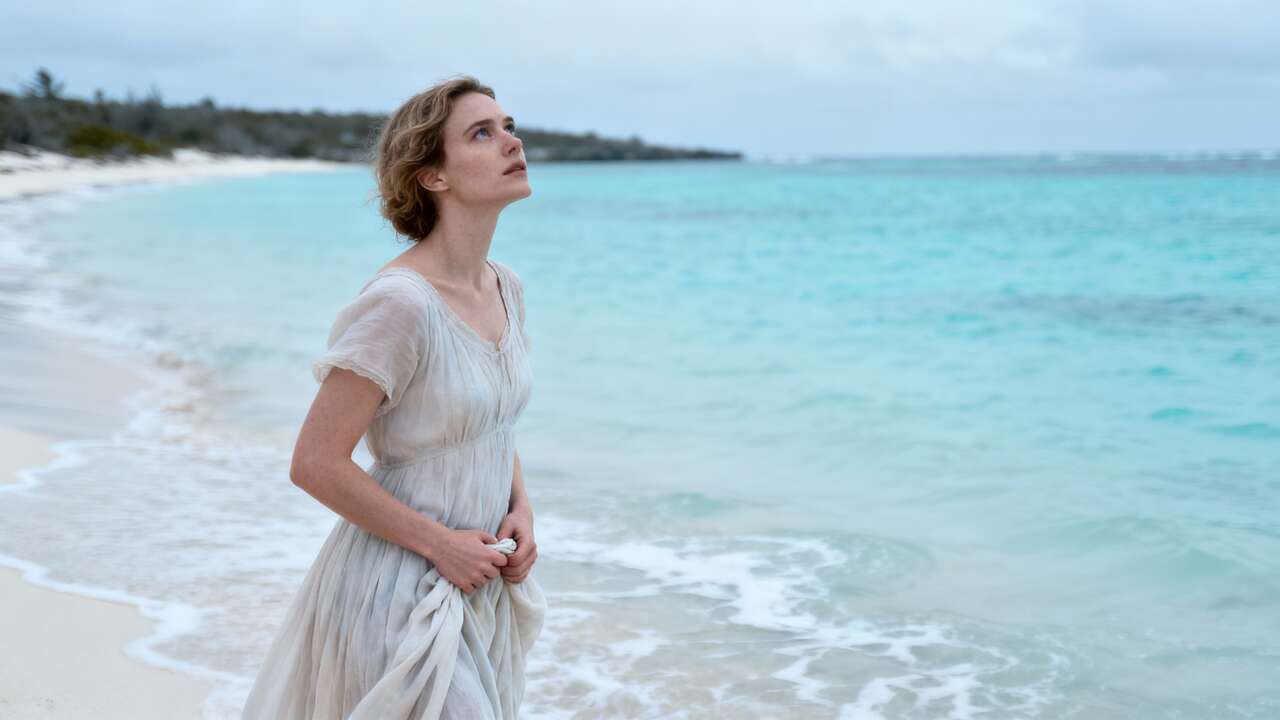

The siren call of the Caribbean in winter often conjures images of packed beaches, bustling resorts, and a frantic search for a vacant lounge chair. While these popular destinations have their appeal, a different Caribbean experience awaits those willing to venture slightly off the beaten path. A collection of lesser-known islands offers the same turquoise waters and sun-drenched sands but without the overwhelming crowds. These are places where tranquility is the main attraction, where nature remains untamed, and where local culture is not just a performance but a way of life. For travelers seeking an authentic escape, these hidden gems provide a serene alternative to the mainstream tourist circuit, proving that paradise can indeed be a private affair.
Escaping the Crowds: discover Salt Cay, turks and Caicos
Stepping onto Salt Cay is like traveling back in time. This tiny island, the smallest of the inhabited Turks and Caicos Islands, has largely resisted modern development, preserving a rustic charm that is increasingly rare in the region. Its history is etched into the landscape, with remnants of a once-thriving sea salt industry still visible, from salinas to colonial-era architecture. This is not an island of all-inclusive resorts and crowded marinas; it is a quiet sanctuary for those looking to disconnect completely.
A Living Museum
The entire island is a candidate for UNESCO World Heritage status, a testament to its remarkably preserved history. The main mode of transportation is the golf cart, and wild donkeys, descendants of those used in the salt trade, roam freely. The pace of life is intentionally slow, encouraging visitors to wander through the quiet streets of Balfour Town, admire the 19th-century Bermudian architecture, and soak in an atmosphere of profound peace. It’s an ideal setting for writers, artists, or anyone simply needing to escape the noise of the modern world.
Encounters with Marine Giants
Salt Cay’s primary allure during the winter months lies just offshore. The island is situated directly on the migratory path of North Atlantic humpback whales. From January through March, these magnificent creatures pass through the Turks Island Passage on their way to their breeding grounds. Visitors can witness them from shore or take a boat tour for a more intimate encounter, an experience that is both humbling and awe-inspiring. Beyond the whales, the diving is exceptional.
- The Endymion Wreck: A historic British warship that sank in 1790, offering a fascinating dive site.
- Pristine Coral Reefs: The island is surrounded by healthy reefs teeming with life, perfect for both scuba diving and snorkeling.
- Wall Diving: Experienced divers can explore the dramatic drop-off of the Turks Island Passage wall.
Practical Considerations
Reaching Salt Cay requires a short commuter flight from Providenciales, which helps maintain its seclusion. Accommodations are limited to small inns and rental villas, so booking in advance is essential. The island’s appeal is its simplicity, a factor that distinguishes it from its more developed neighbors.
| Feature | Salt Cay | Providenciales |
|---|---|---|
| Atmosphere | Historic, rustic, quiet | Modern, bustling, luxurious |
| Main Attraction | Whale watching, diving, tranquility | Luxury resorts, fine dining, Grace Bay Beach |
| Transportation | Golf carts, bicycles | Rental cars, taxis |
From the quiet, historic shores of Salt Cay, where the ocean’s giants glide past, our journey takes us to an island defined not by its past but by its raw, untamed wilderness and dramatic volcanic heart.
Immersing in Nature at Dominica
Often confused with the Dominican Republic, Dominica stands apart as the “Nature Isle of the Caribbean.” It is an island of dramatic peaks, lush rainforests, and an astonishing number of rivers and waterfalls. Dominica’s appeal is not its white-sand beaches but its wild, untamed interior. It is a destination for the adventurous, the eco-conscious, and those who find beauty in the power of nature. The island has consciously avoided mass tourism, focusing instead on preserving its incredible biodiversity and offering authentic, nature-based experiences.
An Eco-Adventurer’s Playground
Dominica is a paradise for hikers, divers, and anyone with a love for the outdoors. Its volcanic origins have created a landscape of breathtaking scale and variety. The Morne Trois Pitons National Park, a UNESCO World Heritage site, is home to some of the island’s most spectacular natural wonders, including the surreal, steaming Boiling Lake. The opportunities for adventure are nearly endless.
- Hiking: The Waitukubuli National Trail is the Caribbean’s first long-distance walking trail, stretching 115 miles across the island’s rugged terrain.
- Waterfalls: Visitors can hike to iconic falls like Trafalgar Falls, Middleham Falls, and Victoria Falls, often with the reward of a refreshing swim in a natural pool.
- Diving and Snorkeling: The volcanic vents at Champagne Reef create a unique underwater experience, with bubbles rising from the seafloor. The marine reserves protect vibrant coral reefs and diverse sea life.
Cultural Immersion and Wellness
Beyond its natural splendor, Dominica offers a rich cultural tapestry. It is home to the only remaining pre-Columbian population in the Eastern Caribbean, the Kalinago people. A visit to the Kalinago Territory provides a fascinating insight into their history, traditions, and way of life. The island is also emerging as a wellness destination, with natural hot sulfur springs providing the perfect way to relax and rejuvenate after a day of hiking. This focus on holistic well-being is a core part of the Dominican experience.
Sustainable Tourism in Practice
Dominica’s commitment to sustainability is evident in its tourism infrastructure. Accommodations often consist of eco-lodges and small, locally-owned guesthouses that blend seamlessly into the environment. The emphasis is on low-impact travel that supports local communities and protects the island’s natural heritage for future generations. This approach ensures that a visit to Dominica is not just a vacation but a meaningful connection with nature and culture.
While Dominica’s allure is its mountainous, verdant interior, our next destination offers a completely different kind of natural escape, one found not in the heights of a rainforest but in the silent, vibrant depths of the sea.
Recharging at Little Cayman, cayman Islands
As the least developed and smallest of the three Cayman Islands, Little Cayman is the epitome of a tranquil getaway. With a year-round population of fewer than 200 people, the island offers an unparalleled sense of peace and seclusion. The mantra here is “barefoot luxury,” where the focus is on world-class diving, pristine natural habitats, and the simple pleasure of an empty beach. There are no cruise ships, no shopping malls, and no nightlife to speak of, and that is precisely its charm.
A World-Renowned Diving Destination
Little Cayman is consistently ranked as one of the top diving destinations in the world, primarily due to the legendary Bloody Bay Wall Marine Park. This protected area features a spectacular vertical drop-off that plummets thousands of feet into the abyss. The wall is adorned with a breathtaking array of corals, sponges, and sea fans, creating a vibrant underwater ecosystem. Divers and snorkelers can expect crystal-clear visibility and encounters with a rich diversity of marine life, from tiny tropical fish to majestic sea turtles and eagle rays. It is a place where underwater exploration reaches its zenith.
| Dive Site Area | Key Feature | Typical Visibility | Marine Life |
|---|---|---|---|
| Bloody Bay Wall | Sheer vertical drop-off | 100-150 ft (30-45 m) | Turtles, sharks, groupers, vibrant coral |
| Jackson’s Bight | Shallow reefs and swim-throughs | 80-100 ft (24-30 m) | Eels, lobsters, diverse reef fish |
| MV Keith Tibbetts (Cayman Brac) | Nearby Russian frigate wreck | 60-100 ft (18-30 m) | Goliath groupers, barracudas |
Pristine Nature Above Water
The tranquility of Little Cayman extends from its waters to its land. The island is a critical habitat for various species, most notably at the Booby Pond Nature Reserve, a RAMSAR site and home to the largest colony of red-footed boobies in the Western Hemisphere. Birdwatchers can also spot magnificent frigatebirds and a variety of herons. For relaxation, deserted beaches like Point of Sand offer powdery white sand and calm, turquoise water, perfect for an afternoon of solitude.
The Art of Doing Nothing
Life on Little Cayman is refreshingly simple. The main activities outside of diving are cycling around the flat island, kayaking, or simply relaxing in a hammock with a good book. Accommodations are primarily small, intimate dive resorts and private villas that cater to those seeking a quiet escape. The island’s limited development and infrastructure are its greatest assets, ensuring that it remains a sanctuary for both wildlife and weary travelers.
From the sublime underwater cliffs of Little Cayman, we now journey to an island that is itself a cliff, a majestic volcanic peak rising dramatically from the Caribbean Sea.
Exploring the Tranquility of Saba
Known as the “Unspoiled Queen of the Caribbean,” Saba is an island unlike any other. This five-square-mile dormant volcano juts dramatically out of the sea, its steep slopes covered in lush greenery. What Saba lacks in conventional beaches, it more than makes up for with its extraordinary natural beauty, world-class diving, and storybook villages. Its unique topography has protected it from the development that has transformed other islands, preserving a rare and authentic Caribbean charm.
Hiking to the Heavens
Saba is a hiker’s dream. A network of well-maintained trails crisscrosses the island, offering everything from gentle coastal walks to strenuous mountain climbs. The most famous trek is the Mount Scenery trail, a challenging ascent of 1,064 stone steps leading to the highest point in the entire Kingdom of the Netherlands. The trail winds through multiple ecosystems, culminating in a dense, magical cloud forest at the summit, where hikers are rewarded with panoramic views of the surrounding sea and neighboring islands on a clear day. The effort is significant, but the experience is unforgettable.
Diving in a Protected Paradise
The waters surrounding Saba are as spectacular as its peaks. The entire marine environment has been protected as the Saba National Marine Park since 1987, resulting in a pristine underwater world. The volcanic structure of the island continues below the surface, creating a dramatic seascape of pinnacles, seamounts, and lava flows. These formations are encrusted with healthy corals and sponges and attract a stunning variety of marine life.
- Pinnacle Diving: Sites like “The Eye of the Needle” and “Third Encounter” are submerged volcanic peaks that rise from the depths, attracting sharks, turtles, and large schools of fish.
- Volcanic Vents: Divers can explore areas with underwater hot springs, a direct reminder of the island’s volcanic nature.
- Rich Biodiversity: The protected status ensures a healthy and thriving ecosystem, making every dive a new adventure.
Charming Villages and Island Life
Saba’s small population resides in a handful of picturesque villages that cling to the mountainsides. The Bottom (the capital), Windwardside, and Hell’s Gate are characterized by their immaculate white-washed houses with red roofs and green shutters, surrounded by colorful gardens. The island is renowned for its safety, cleanliness, and the friendliness of its residents. Life here is peaceful and orderly, offering a respite from the chaos of the outside world. It’s a place where community matters and visitors are welcomed with genuine warmth.
While Saba’s vertical allure provides one form of seclusion, our next island offers a different kind of quietude—one defined by endless, empty stretches of pink-hued sand and a deeply rooted, laid-back culture.
The Hidden Secrets of Cat Island, bahamas
Far from the bustling crowds of Nassau and Paradise Island, Cat Island offers a glimpse into the Bahamas of yesteryear. This long, slender island is one of the least developed in the archipelago, renowned for its stunning, deserted beaches, rolling hills, and rich cultural heritage. It is a place for solitary strolls on pink-sand shores, exploring historic ruins, and immersing oneself in authentic Bahamian life. Cat Island’s appeal lies in its raw, untouched beauty and the unhurried rhythm of its days.
Beaches of Unparalleled Solitude
Cat Island is home to some of the most beautiful and secluded beaches in the Caribbean. Its eastern shore is lined with miles of uninterrupted pink-sand beaches that meet the turquoise Atlantic, while the western side offers calmer, shallow waters. It is not uncommon to have an entire stretch of sand, like the eight-mile-long Old Bight Beach, entirely to yourself. This sense of absolute seclusion is a luxury that few destinations can offer. Fernandez Bay is another highlight, with its crescent-shaped beach and calm waters perfect for swimming and kayaking.
A Journey into History and Culture
The island is not just a beach destination; it is steeped in history and folklore. Its highest point, Mount Alvernia, is also the highest point in all of the Bahamas. At its summit sits The Hermitage, a small, medieval-style monastery built by hand by the hermit monk, Father Jerome. The panoramic views from the top are breathtaking. The island also has a rich tradition of Obeah (a form of folk magic) and is the birthplace of rake ‘n’ scrape music, a vibrant, rhythmic sound created with traditional instruments like the accordion, saw, and goat-skin drum.
- The Hermitage: A must-visit for its unique architecture and stunning vistas.
- Arawak Caves: Explore ancient caves that contain evidence of the island’s earliest inhabitants, the Lucayan Indians.
- Plantation Ruins: Discover the remnants of the Loyalist plantations that once dotted the island.
The Authentic Bahamian Experience
A trip to Cat Island is an opportunity to connect with the genuine spirit of the Bahamas. There are no large resorts or chain restaurants here. Instead, visitors stay in small, family-run hotels or guesthouses and eat at local restaurants serving fresh-caught fish and traditional Bahamian dishes. The people are warm and welcoming, eager to share stories and a piece of their island life. It is an experience that is both grounding and deeply enriching.
The sprawling, serene beaches of Cat Island provide a classic Bahamian escape, but our final destination offers a taste of tranquil island life with a distinct and vibrant Spanish Caribbean flavor.
Discovering Authenticity at Culebra, puerto Rico
Just a short trip from the mainland of Puerto Rico lies Culebra, an island municipality that feels a world away. For decades, Culebra has fiercely resisted large-scale tourism development, preserving its laid-back, bohemian vibe and, most importantly, its spectacular natural environment. There are no traffic lights, no high-rise hotels, and no fast-food chains. Instead, Culebra offers world-famous beaches, a thriving wildlife refuge, and a community dedicated to keeping their island paradise pristine and authentic.
Home to World-Class Beaches
Culebra’s coastline is its crown jewel. The island is most famous for Flamenco Beach, a perfect crescent of powdery white sand and impossibly clear turquoise water that is consistently ranked among the best beaches in the world. Despite its fame, it rarely feels overcrowded, especially during weekdays in the winter. The beach is also known for the two iconic, colorfully painted U.S. Navy tanks left over from military exercises, which now serve as unique artistic landmarks. Beyond Flamenco, quieter gems like Tamarindo Beach offer excellent snorkeling with sea turtles, while the remote Zoni Beach provides stunning views of the island of Culebrita and the Virgin Islands.
A Sanctuary for Wildlife
A significant portion of Culebra and its surrounding cays are designated as the Culebra National Wildlife Refuge, one of the oldest refuges in the United States system. This protected status has been crucial in preserving the island’s ecosystems. The refuge is a vital nesting ground for large colonies of seabirds and for several species of sea turtles, including the endangered leatherback and hawksbill. The coral reefs surrounding the island are among the most well-preserved in the Caribbean, making for phenomenal snorkeling and diving opportunities, particularly around the smaller, uninhabited cays.
A Low-Key and Independent Spirit
The spirit of Culebra is fiercely independent and decidedly low-key. The main town of Dewey is a small, colorful collection of guesthouses, dive shops, and open-air bars and restaurants where locals and visitors mingle. Transportation is primarily by golf cart or jeep, adding to the island’s quirky charm. This is a place to slow down, disconnect from digital distractions, and connect with the natural world. Its accessibility from the U.S. mainland without a passport makes it an even more attractive option for a hassle-free escape.
| Aspect | Culebra | San Juan (Mainland Puerto Rico) |
|---|---|---|
| Vibe | Relaxed, bohemian, eco-focused | Urban, historic, energetic |
| Accommodations | Guesthouses, small inns, vacation rentals | Large resorts, boutique hotels, casinos |
| Primary Activities | Snorkeling, beach-hopping, relaxing | Historic tours, nightlife, shopping, fine dining |
These islands prove that the Caribbean still holds places of profound peace and untouched beauty. From the whale songs of Salt Cay to the volcanic peaks of Saba and the pristine reefs of Little Cayman, each destination offers a unique escape from the ordinary. They are a reminder that the greatest luxury is not always found in opulent resorts but in the simplicity of an empty beach, a starlit sky, and the genuine warmth of a local welcome. For the discerning traveler, these tranquil havens provide the ultimate winter retreat.

- The 5 most affordable ski resorts in North America for the 2025 season - 13 November 2025
- Far Less Crowded Than the Grand Canyon, This Utah Park Offers Views Just as Spectacular This Fall - 13 November 2025
- This California Town Has a Unique Danish Village Vibe You Won’t Find Anywhere Else - 12 November 2025
Pubblicazioni simili :
 The Pearl of the Adriatic” is finally empty in winter
 Far From the Crowds of Zion, This Utah State Park Is a Secret Hiker’s Paradise This Autumn
 This Alaskan City Is the “Gateway to the Arctic” and It’s Fascinating to Visit Before Winter
 This Is the One US Town That Takes Halloween More Seriously Than Anywhere Else in the World