
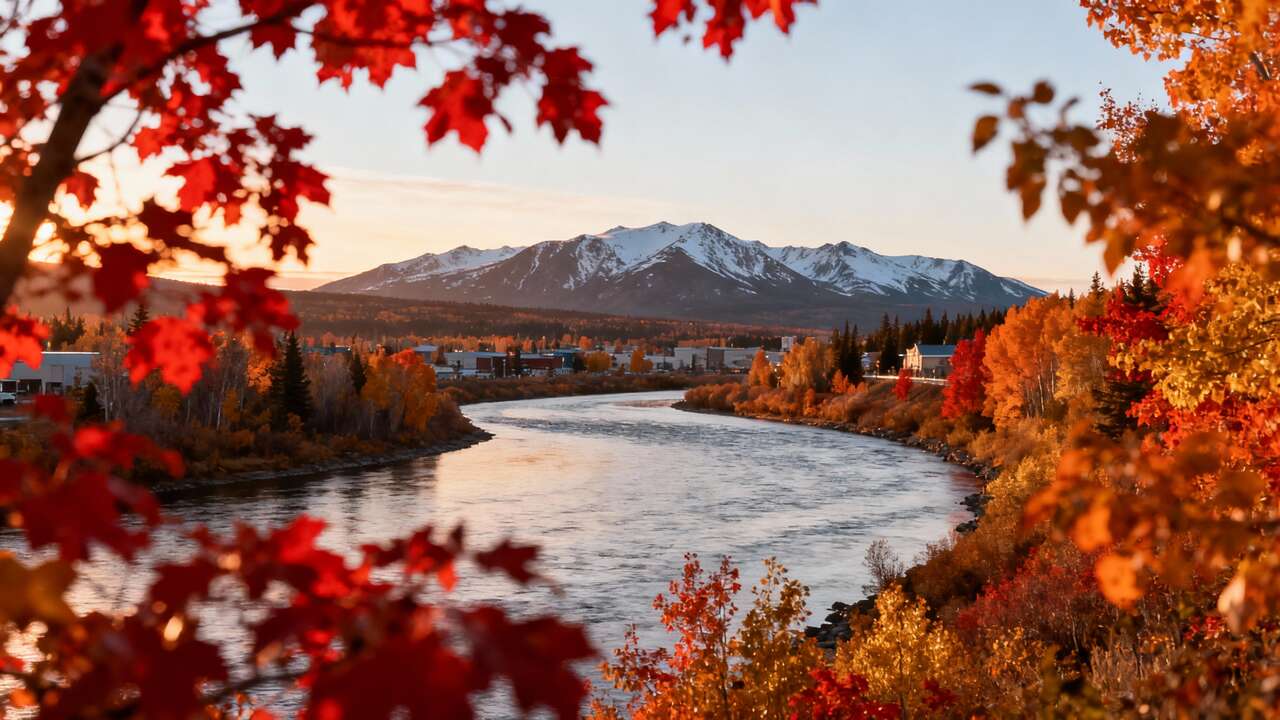

Nestled in the vast interior of Alaska, Fairbanks stands as a city of contrasts. It is a place where the untamed wilderness of the Arctic begins, yet its urban landscape of wide, sprawling roads can initially disorient visitors expecting a quaint frontier town. Known as the ‘Gateway to the Arctic’, this city is more than just a logistical hub; it is a destination where history, culture, and extreme nature converge, offering a compelling experience for those who venture here, especially in the crisp, expectant air of the fall, just before the deep freeze of winter sets in.
Introduction to Fairbanks: the gateway to the Arctic
A strategic northern hub
Fairbanks holds a unique and critical position on the map of Alaska. Situated deep within the state’s interior, it serves as the final major outpost before the immense, sparsely populated expanse of the Arctic. For centuries, it has been a starting point for adventurers, scientists, and workers heading north. Its strategic importance is cemented by being the beginning of the famed James W. Dalton Highway, a rugged and often treacherous road that stretches over 400 miles to the oil fields of Prudhoe Bay and the Arctic Ocean. This highway is not just a road; it is the lifeline to Alaska’s northernmost regions and an embodiment of the state’s pioneering spirit. Visitors use Fairbanks as a base to embark on guided tours that traverse this legendary route, seeking a genuine taste of the Arctic wilderness.
First impressions and urban layout
The first encounter with Fairbanks can be surprising. The city does not conform to the stereotypical image of a cozy Alaskan town with wooden storefronts. Instead, visitors find a functional, expansive city designed to accommodate harsh weather and a transient population. Its layout is characterized by:
- Wide, multi-lane roads built to handle traffic and snow removal.
- A downtown area that is more practical than picturesque, with modern buildings alongside older structures.
- A decentralized feel, with commercial and residential areas spread out over a large area.
This practical design reflects a city built for purpose rather than aesthetics, a testament to its role as a working hub in a challenging environment. Understanding this context helps visitors appreciate the city for what it is: a resilient and vital northern center.
What to expect as a visitor
While the city itself may not be a traditional tourist resort, it offers a wealth of unique experiences that are deeply rooted in its location and history. A visit is typically short but intense, focusing on the incredible natural phenomena and rich cultural heritage of the region. Most travelers find that a one or two-day stay is sufficient to explore the primary city attractions before venturing into the surrounding wilderness. The main draws are undeniably powerful, promising unforgettable memories for those who come prepared.
Fairbanks Visitor Snapshot
| Attraction Type | Primary Examples | Best Season |
|---|---|---|
| Natural Phenomena | Aurora Borealis (Northern Lights), Midnight Sun | Fall/Winter for Aurora, Summer for Midnight Sun |
| Cultural Sites | Morris Thompson Cultural and Visitors Center | Year-round |
| Historical Interest | Fountainhead Antique Auto Museum, Gold Dredges | Year-round (some sites seasonal) |
| Arctic Exploration | Dalton Highway Tours, Arctic Circle excursions | Year-round (conditions vary) |
The city’s true appeal lies not in its architecture but in the profound stories and natural wonders it provides access to. This rich tapestry of history is woven into the very fabric of Fairbanks.
The fascinating history of Fairbanks
From gold rush to modern city
Like many Alaskan settlements, Fairbanks owes its existence to the glitter of gold. The city was founded in the early 20th century after a prospector discovered gold in the nearby Chena River, sparking a rush that drew thousands of hopefuls to the remote interior. This rough-and-tumble beginning forged a community resilient enough to withstand extreme isolation and harsh climates. Over the decades, Fairbanks evolved from a mining camp into a strategic military location during the Cold War and later became a crucial administrative and logistics center for the construction of the Trans-Alaska Pipeline. This history of boom and adaptation is chronicled in local museums, offering a glimpse into the grit and determination that built the city.
The indigenous heritage
Long before the arrival of gold seekers, the land around Fairbanks was home to the Athabascan people. Their deep connection to the land and their traditions of survival in this demanding environment form the cultural bedrock of the region. The Morris Thompson Cultural and Visitors Center is an essential first stop for any visitor, offering beautifully curated exhibits on the history, art, and way of life of Alaska’s native populations. It provides invaluable context, transforming a simple visit into a deeper appreciation for the area’s rich, layered heritage. Here, visitors learn that the story of Fairbanks is not just about gold and oil but also about the enduring culture of its first inhabitants.
Milestones in development
Fairbanks’ journey from a remote outpost to a modern city is marked by several key events that shaped its identity and economy. These milestones highlight its strategic importance and its role in the broader story of Alaskan development.
Key Historical Periods in Fairbanks
| Period | Key Event | Impact on the City |
|---|---|---|
| Early 1900s | Gold Rush | Founding of the city and initial population boom. |
| 1940s | World War II & Cold War | Establishment of military bases, significant infrastructure development. |
| 1967 | Great Flood | Devastation followed by major rebuilding and flood control projects. |
| 1970s | Trans-Alaska Pipeline Construction | Economic boom, population growth, and establishment as a logistics hub. |
This historical evolution has created a city with a unique character, one that continues to attract those looking to understand the real Alaska. This is especially true in the fall, when the changing season brings with it some of the region’s most spectacular sights.
Must-sees to discover in the fall
The northern lights spectacle
Visiting Fairbanks in the fall offers a prime opportunity to witness one of nature’s most breathtaking displays: the aurora borealis. The viewing season officially runs from August 21 to April 21, and the autumn months provide an excellent balance of dark nights and relatively mild temperatures compared to the deep winter. As darkness returns after the summer of the midnight sun, the skies above Fairbanks frequently come alive with dancing ribbons of green, pink, and purple light. The city’s location within the “auroral oval” makes it one of the best places on Earth to see the northern lights. Numerous tour operators offer excursions to viewing lodges and remote cabins away from city lights, providing the perfect setting for this unforgettable experience.
Cultural and historical immersion
Beyond the celestial shows, fall is an ideal time to explore Fairbanks’ indoor attractions. The Fountainhead Antique Auto Museum is a surprisingly captivating destination, showcasing a remarkable collection of pre-World War II automobiles alongside vintage Alaskan fashion. Each vehicle is a piece of history, telling a story of early transportation in the rugged north. It’s a meticulously maintained collection that even those without a passion for cars find fascinating. Paired with a visit to the Morris Thompson Cultural and Visitors Center, these sites offer a comprehensive look at the human history of the region, from its indigenous roots to its pioneering, industrial past.
Unique local experiences
The pre-winter season in Fairbanks is filled with opportunities to experience the local lifestyle before the snow blankets the landscape. It’s a time of preparation and savoring the last days of autumn. Some recommended activities include:
- Taking a narrated cruise on a historic sternwheeler along the Chena River to learn about local history and Athabascan culture.
- Visiting the University of Alaska Museum of the North, which features impressive exhibits on Alaskan natural and cultural history.
- Exploring the Large Animal Research Station to see muskoxen and reindeer up close.
- Strolling through the Georgeson Botanical Garden to see how flora adapts to the short northern growing season.
These activities provide a well-rounded view of the city and its surroundings, but the true call of the wild often leads visitors to venture beyond the city limits.
Exploring the surrounding nature
The legendary Dalton Highway
For the truly adventurous, Fairbanks is the starting point for a journey on the Dalton Highway. Recognized as one of the most remote and challenging roads in the world, it offers an unparalleled glimpse into the vast Arctic tundra. A trip up the Dalton, whether on a guided tour or by a well-equipped private vehicle, is not for the faint of heart. The gravel road is dominated by large trucks servicing the oil fields, and services are virtually nonexistent for hundreds of miles. However, the reward is an experience of profound isolation and raw, untouched beauty. Crossing the Arctic Circle is a major milestone for many travelers, a moment that solidifies the immense scale of the Alaskan wilderness.
Parks and wildlife viewing
The area surrounding Fairbanks is a haven for wildlife. In the fall, animals are active as they prepare for the coming winter. A visit to the Creamer’s Field Migratory Waterfowl Refuge, located right in Fairbanks, offers easy access to see sandhill cranes, Canada geese, and other birds during their migration. For those willing to venture further, Denali National Park is a few hours’ drive south and provides opportunities to see grizzly bears, moose, caribou, and wolves in their natural habitat before the park road closes for the winter. The transition from fall colors to the first dustings of snow creates a stunning backdrop for wildlife photography.
Hot springs and natural wonders
A perfect way to relax after a day of exploring is to soak in the soothing waters of a natural hot spring. Chena Hot Springs Resort, about an hour’s drive from Fairbanks, is the most famous destination. The resort features a large outdoor hot lake and indoor pools, allowing visitors to enjoy the geothermally heated water even as the air temperature drops. The experience of soaking in steaming water while frost forms on your hair and the northern lights potentially dance overhead is a uniquely Alaskan memory. It’s a must-do activity that perfectly complements the rugged adventures of the interior.
Embarking on these excursions requires careful planning, especially as the seasons shift and winter begins to assert its dominance over the landscape.
Preparing your visit before the arrival of winter
Optimal trip duration
Planning the length of your stay is crucial for a successful trip to Fairbanks. As noted by many experienced travelers, one to two full days are generally adequate to cover the main attractions within the city itself, such as the museums and cultural centers. However, this timeframe does not account for the region’s main draws, which lie outside the city. To fully experience the area, you should plan for additional days dedicated to specific excursions. For example, a northern lights viewing tour will take up an evening, and a trip up the Dalton Highway to the Arctic Circle is a full-day commitment. A well-paced itinerary of three to five days is recommended for a comprehensive fall visit.
What to pack for a fall trip
Packing correctly is essential for comfort and safety in Alaska’s unpredictable fall weather. The key is layering. Temperatures can fluctuate significantly, from pleasant and sunny afternoons to freezing nights. Your packing list should include:
- A waterproof and windproof outer jacket.
- Multiple thermal layers, including long underwear and fleece jackets.
- Warm, insulated, and waterproof boots with good traction.
- A warm hat, gloves, and a scarf or neck gaiter.
- Thick wool socks to keep your feet warm and dry.
- A camera with extra batteries, as the cold can drain them quickly.
- Binoculars for wildlife viewing.
Being prepared for cold weather, even in September or October, will ensure you can fully enjoy outdoor activities like aurora hunting without discomfort.
Booking and logistics
While fall is considered a shoulder season, it is still wise to book key elements of your trip in advance. This is especially true for popular northern lights tours and Dalton Highway excursions, which can fill up quickly. Renting a vehicle is highly recommended for getting around Fairbanks and its spread-out attractions. Ensure you rent a car with all-wheel drive if you plan on driving outside the city on potentially slick roads. Accommodations range from hotels to cozy cabins, but booking ahead provides the best selection and prices. Planning these logistics will allow for a smooth and stress-free trip, enabling you to focus on the unique experiences that are shaped by the region’s dramatic seasonal changes.
The impact of the seasons on local life
From midnight sun to polar night
Life in Fairbanks is dictated by the sun. The city experiences extreme seasonal shifts in daylight, from the famous “midnight sun” of summer, when there is daylight for nearly 24 hours from April 22 to August 20, to the deep, dark days of winter. In the fall, residents and visitors experience a rapid decrease in daylight hours, a dramatic transition that signals the approach of winter. This rhythm of light and dark profoundly affects everything from daily routines and social activities to the mental well-being of the population. The return of darkness is welcomed for the spectacular aurora displays it enables, but it also marks the beginning of a long, cold season that requires significant adaptation.
Economic and social adaptations
The entire economy of Fairbanks is built around these seasonal cycles. Summer is a frantic period of tourism, construction, and outdoor work, as residents maximize the long daylight hours. Fall is a period of transition, where tourism shifts from sightseeing to aurora viewing, and locals focus on preparing for winter: stocking firewood, winterizing homes and vehicles, and completing outdoor projects. Social life also shifts indoors, with community events moving to community centers and theaters. This seasonal adaptation is not just a matter of convenience; it is a fundamental aspect of survival and thriving in the subarctic. It fosters a strong sense of community and self-reliance that is palpable to visitors.
Seasonal phenomena compared
The contrast between the seasons in Fairbanks is stark and defines the experience of being there. Each season offers a completely different world, with its own set of challenges and rewards.
Fairbanks: A Tale of Two Seasons
| Feature | Summer (June-August) | Winter (November-February) |
|---|---|---|
| Daylight Hours | ~22-24 hours | ~3-5 hours |
| Average Temperature | 60-70°F (15-21°C) | -10 to -20°F (-23 to -29°C) |
| Primary Attraction | Midnight Sun, hiking, fishing | Northern Lights, dog sledding, ice carving |
| Pace of Life | Frenetic and active | Slower and more introspective |
Visiting in the fall allows one to stand on the cusp of this dramatic change, to feel the energy of the coming winter while still enjoying the remnants of summer’s light.
Fairbanks is far more than a simple stopover; it is an immersive destination that offers a genuine encounter with the realities of life in the far north. Its practical urban appearance belies a deep and fascinating history, a vibrant indigenous culture, and direct access to some of the planet’s most awe-inspiring natural phenomena. A pre-winter visit provides a unique window into this world, showcasing the spectacular aurora borealis against the backdrop of a landscape preparing for its long winter sleep. This gateway to the Arctic is a place of resilience and raw beauty, leaving a lasting impression on all who take the time to explore it.

- The 5 most affordable ski resorts in North America for the 2025 season - 13 November 2025
- Far Less Crowded Than the Grand Canyon, This Utah Park Offers Views Just as Spectacular This Fall - 13 November 2025
- This California Town Has a Unique Danish Village Vibe You Won’t Find Anywhere Else - 12 November 2025
Pubblicazioni simili :
 Autumn in This New Mexico City Is Filled With Art, Culture, and Crisp Mountain Air
 Forget the Beach, This California Desert Is the Trendiest Road Trip Destination for Autumn 2025
 This Illinois Village Is a Preserved Time Capsule That Was Once Bigger Than Chicago
 This North Carolina Resort Is a Gilded Age Castle Turned Into a Luxury Hotel