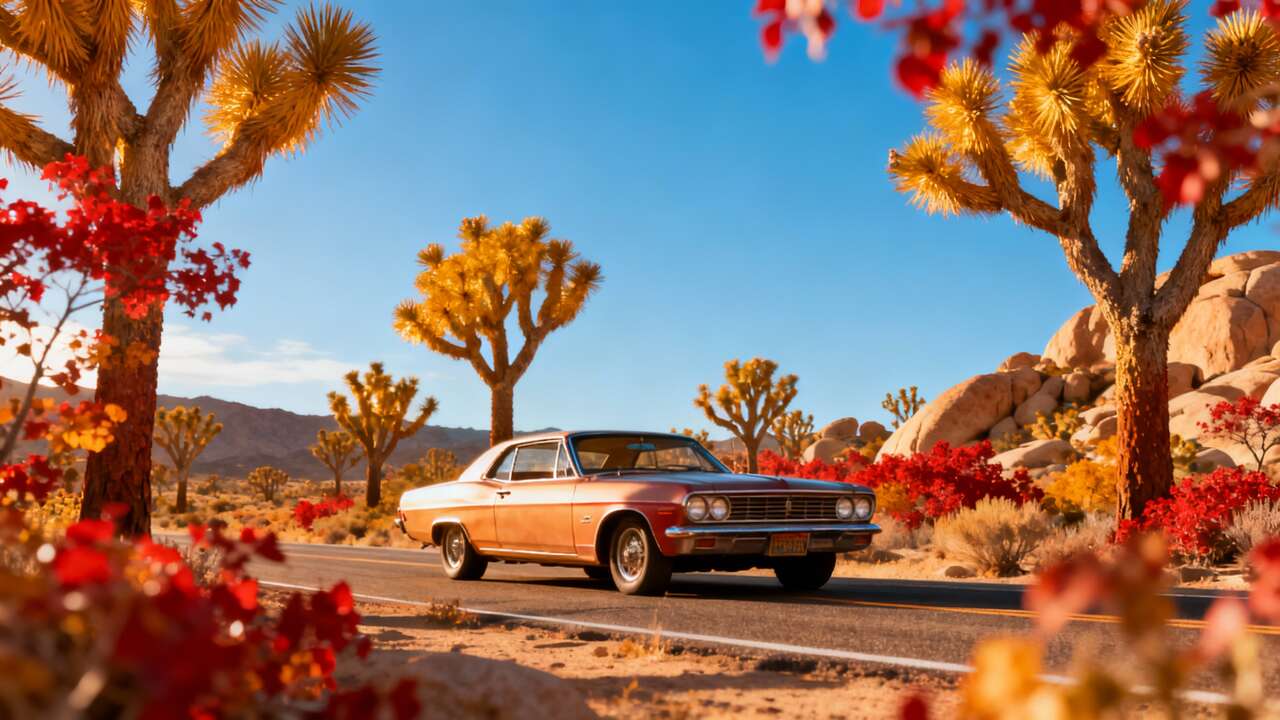

While coastal highways and vineyard tours have long defined the California road trip, a different landscape is capturing the imagination of travelers for autumn 2025. Forget the crowded beaches; the state’s most compelling journey this season leads eastward, into the stark, otherworldly beauty of the Mojave Desert. Joshua Tree National Park, a place where two distinct desert ecosystems converge, is emerging as the definitive destination for those seeking solitude, adventure, and a profound connection with nature under the crisp autumn sky.
Discovering Joshua Tree in Autumn
The allure of Joshua Tree National Park intensifies as summer’s oppressive heat gives way to the mild, golden days of fall. This seasonal shift transforms the park from a place of extreme temperatures into an accessible and inviting wilderness, making it the prime time for exploration. The quality of light, the comfortable climate, and the thinner crowds combine to create an unparalleled desert experience.
The Perfect Climate for Adventure
Autumn in Joshua Tree offers a climatic sweet spot. The scorching triple-digit temperatures of July and August recede, replaced by daytime highs that are ideal for outdoor activities. This moderation allows visitors to explore the park’s vast landscapes for longer periods without the risk of heat exhaustion. The evenings grow cool and crisp, perfect for gathering around a campfire or stargazing. This dramatic temperature shift from day to night is a hallmark of the desert experience, and in autumn, it is at its most enjoyable. The clear, dry air also means visibility is often exceptional, offering panoramic views that stretch for miles. A visit during this season is a study in comfort and clarity, a stark contrast to the challenges posed by other times of the year.
Average Temperature Comparison: Summer vs. Autumn
| Month | Average High (°F) | Average Low (°F) |
|---|---|---|
| August | 99°F | 75°F |
| October | 78°F | 55°F |
| November | 66°F | 44°F |
A Photographer’s Dreamscape
For photographers, both amateur and professional, autumn presents Joshua Tree in its best light. The sun sits lower in the sky, casting long, dramatic shadows that accentuate the texture of the gnarled Joshua trees and the massive granite monoliths. The “golden hour,” the period shortly after sunrise and before sunset, is extended and bathes the landscape in a warm, ethereal glow. This soft, angled light brings out the subtle colors of the desert flora and the rugged rock formations. Key photographic subjects in autumn include:
- The iconic Joshua trees (Yucca brevifolia) against a vibrant sunrise or sunset.
- Expansive, panoramic shots from high-elevation viewpoints.
- Close-up, detailed shots of the unique desert plant life, such as the cholla cactus.
- Night photography, capturing the Milky Way above the silhouetted desert landscape.
With the park’s unique geology and flora providing an endless array of subjects, understanding the optimal conditions for capturing them is key to a rewarding visit.
Must-See Attractions in Joshua Tree
While the entire park is a spectacle, certain landmarks have become iconic for their unique beauty and geological significance. These sites serve as essential touchstones for any first-time visitor and continue to draw back seasoned explorers. Planning a route that includes these key attractions ensures a comprehensive introduction to the park’s diverse character, from whimsical rock formations to sprawling, otherworldly gardens of desert plants.
Iconic Rock Formations
Joshua Tree is as famous for its rocks as it is for its trees. Millions of years of erosion have sculpted the granite into fantastical shapes that ignite the imagination. Skull Rock, located conveniently along Park Boulevard, is a must-see; the hollowed-out “eye sockets” of this massive boulder create an uncanny resemblance to a human skull. Nearby, the Jumbo Rocks area offers a playground of colossal boulders to climb and explore. For a more immersive experience, a short walk through Hidden Valley reveals a stunning rock-enclosed basin rumored to have been used by cattle rustlers. These formations are not just geological wonders; they are an integral part of the park’s interactive landscape.
Cholla Cactus Garden
Located where the Mojave and Colorado Deserts meet, the Cholla Cactus Garden offers a unique and slightly intimidating spectacle. A flat, quarter-mile loop trail winds through a dense concentration of “teddy bear” cholla. Despite their deceptively soft appearance, these cacti are covered in sharp, barbed spines that detach easily. Visiting during the morning or late afternoon light is particularly spectacular, as the sun backlights the spines, making the entire garden appear to glow. It is a powerful reminder of the harsh beauty and resilience of desert life, but visitors should be sure to stay on the designated path.
Keys View Panorama
For the most breathtaking panoramic view in the park, a drive up to Keys View is essential. Perched on the crest of the Little San Bernardino Mountains, this viewpoint offers a stunning overlook of the entire Coachella Valley. On a clear day, the view extends from the shimmering Salton Sea to the south to the towering peaks of Mount San Jacinto and Mount Gorgonio to the west. The infamous San Andreas Fault is also visible, tracing a line across the valley floor. It is a place that provides perspective, showcasing the vast scale and complex geology of the region. The drive itself is scenic, climbing in elevation and offering a different perspective on the park’s ecosystem.
After taking in the grand vistas and peculiar natural sculptures, the desire to engage more actively with this environment often takes hold, leading many to seek out the park’s numerous recreational opportunities.
Outdoor Activities Under the Autumn Sky
Joshua Tree’s comfortable autumn weather unlocks a world of outdoor recreation. The park becomes an adventure hub, drawing enthusiasts from around the globe to test their skills against its rugged terrain. Beyond passive sightseeing, this season is the perfect time to physically connect with the landscape, whether by scaling a sheer rock face or simply lying back and contemplating the cosmos in one of the darkest skies in Southern California.
World-Class Rock Climbing
The park is a veritable mecca for rock climbers. Its abundance of granite monoliths, from small boulders perfect for practicing to towering multi-pitch routes, offers challenges for every skill level. The coarse monzogranite provides excellent grip, making it an ideal surface for climbing. Popular areas like the Wonderland of Rocks and Echo Cove are bustling with activity during the fall. For those new to the sport, numerous local guide companies offer introductory courses and guided climbs. It is an exhilarating way to experience the park’s geology up close, offering a vertical perspective that few visitors get to see. Even for non-climbers, watching the silent, graceful ascent of others is a captivating sight.
Unforgettable Stargazing
As an officially designated International Dark Sky Park, Joshua Tree offers some of the best stargazing opportunities in the country. The park’s remote location and dry desert air result in minimal light pollution and exceptional atmospheric transparency. After the sun sets, the sky transforms into a dazzling display of stars, planets, and the luminous arc of the Milky Way. Cottonwood Spring and the areas around Skull Rock are popular spots for setting up a telescope or simply laying out a blanket. The autumn months bring constellations like Cassiopeia and Pegasus into prominent view. For many, a night spent under this celestial canopy is the most profound and memorable part of their road trip, a humbling reminder of the universe’s scale.
This deep connection with the environment, whether found on a rock face or in the night sky, often inspires a desire for further immersion, which is best satisfied by exploring the park’s extensive network of trails on foot.
Top Hiking Trails in Joshua Tree
Hiking is arguably the most accessible and rewarding way to experience the intimate details of Joshua Tree’s landscape. The park boasts a wide array of trails, catering to everyone from families looking for a short nature walk to seasoned backpackers seeking a multi-day challenge. In autumn, the trails are at their most inviting, allowing for long, comfortable treks through groves of Joshua trees, hidden oases, and rugged canyons.
Beginner-Friendly Walks
For those new to the park or hiking in general, several short, interpretive trails offer a fantastic introduction. The Barker Dam Nature Trail is a 1.1-mile loop that leads to a historic dam built by early cattle ranchers and often holds a small reservoir of water, attracting local wildlife. Another excellent choice is the one-mile loop through Hidden Valley, a scenic and flat trail enclosed by massive rock formations. These trails are well-maintained and provide a high scenic reward for minimal effort, making them perfect for a morning or afternoon excursion.
Challenging Treks for the Adventurous
For experienced hikers seeking solitude and a physical challenge, Joshua Tree delivers. The Ryan Mountain Trail is a strenuous three-mile round trip that climbs over 1,000 feet to one of the highest peaks in the park, rewarding hikers with 360-degree panoramic views. For a longer day hike, the 8-mile round trip to the Lost Palms Oasis takes you through a rugged canyon to the park’s largest grove of California fan palms. These trails require proper preparation, including ample water and sturdy footwear, but they offer an unparalleled sense of accomplishment and access to the park’s wilder side.
Popular Joshua Tree Hikes at a Glance
| Trail Name | Distance (Round Trip) | Difficulty | Highlights |
|---|---|---|---|
| Hidden Valley Nature Trail | 1.0 mile | Easy | Rock-enclosed valley, self-guided nature tour |
| Barker Dam Nature Trail | 1.1 miles | Easy | Historic dam, potential for wildlife viewing |
| Ryan Mountain Trail | 3.0 miles | Strenuous | Panoramic summit views of the park |
| Lost Palms Oasis | 7.2 miles | Moderate to Strenuous | Secluded palm oasis, canyon hiking |
After a full day of exploring the park’s trails and vistas, finding a comfortable and unique place to rest and recharge is essential to the road trip experience.
Where to Stay During Your Road Trip
The lodging options in and around Joshua Tree are as unique as the park itself, moving far beyond standard hotels. The area has cultivated a distinct aesthetic that blends rustic desert charm with bohemian creativity. Whether you prefer to sleep under the stars, experience the trendy “glamping” phenomenon, or relax in a thoughtfully designed boutique motel, there is an accommodation to match the spirit of your desert adventure.
Camping and Glamping
For a truly immersive experience, nothing beats camping inside the park. Campgrounds like Jumbo Rocks and Hidden Valley place you amidst the iconic boulder piles, though they are highly competitive and require reservations far in advance. For those who desire more comfort, the glamping scene just outside the park is thriving. Options include:
- Restored Airstream trailers offering a retro-chic vibe with modern amenities.
- Spacious yurts and safari-style tents complete with real beds and stylish decor.
- Minimalist cabins and bubble tents designed for optimal stargazing.
These options provide a direct connection to the desert environment without sacrificing comfort, offering the best of both worlds.
Unique Desert Retreats
The towns surrounding the park, such as Yucca Valley, Twentynine Palms, and Joshua Tree Village, are home to a growing number of unique accommodations. Independent motels have been transformed into stylish, design-forward retreats, while a vast market of vacation rentals offers everything from quirky homestead cabins to sprawling architectural homes with private pools. Many of these properties are destinations in themselves, featuring outdoor fire pits, hot tubs, and hammocks perfect for enjoying the cool desert evenings. Booking one of these stays can elevate a simple park visit into a comprehensive desert lifestyle experience.
Of course, a memorable road trip is not just about the sights and stays; it is also about the local flavors discovered along the way.
Local Tastings Around the Desert
The high desert’s culinary scene reflects its rugged, independent, and creative spirit. While you will not find a high density of fine dining establishments, you will discover a collection of authentic, character-rich eateries and bars that provide a true taste of the local culture. From legendary roadhouses to quirky cafes, the food and drink options around Joshua Tree are an essential part of the road trip experience, offering fuel for your adventures and a place to unwind afterward.
Pioneertown’s Rustic Charm
A short drive from Joshua Tree leads to Pioneertown, a fascinating destination originally built as a 1940s live-in Old West movie set. Today, its main street, “Mane Street,” houses artisan shops, art galleries, and, most famously, a legendary roadhouse. This iconic establishment is a must-visit, known for its mesquite barbecue, strong drinks, and live music that attracts renowned artists from around the world. Having a meal here feels like stepping back in time, offering a dining experience that is both delicious and deeply atmospheric. It is the quintessential desert hangout, embodying the region’s blend of Hollywood history and modern-day cool.
Eateries in Joshua Tree Village
The small community of Joshua Tree Village, located just outside the park’s west entrance, serves as the main hub for visitors. Here you will find a cluster of independent restaurants and cafes catering to a diverse crowd of hikers, climbers, artists, and locals. Options range from organic cafes serving healthy breakfasts and smoothies to casual pizza parlors and spots offering hearty post-hike fare. Many establishments emphasize locally sourced ingredients and offer vegan or vegetarian options, reflecting the health-conscious and eclectic community. Grabbing a coffee or a meal here is a great way to connect with the local vibe before or after a day in the park.
This journey through Joshua Tree in autumn offers more than just a change of scenery. It is an immersion into a unique ecosystem at its most inviting, a chance for both physical adventure on its trails and quiet contemplation under its vast, starry sky. The comfortable climate, stunning light, and diverse activities culminate in a road trip experience that is profoundly memorable, solidifying the park’s status as a premier destination. The combination of natural wonder, unique lodging, and authentic local culture creates a complete and compelling escape.

- The 5 most affordable ski resorts in North America for the 2025 season - 13 November 2025
- Far Less Crowded Than the Grand Canyon, This Utah Park Offers Views Just as Spectacular This Fall - 13 November 2025
- This California Town Has a Unique Danish Village Vibe You Won’t Find Anywhere Else - 12 November 2025