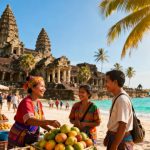


For decades, travelers seeking a tropical paradise in Central America have defaulted to Costa Rica, a country renowned for its lush rainforests and “pura vida” lifestyle. However, a neighboring nation is steadily emerging from its shadow, offering a compelling blend of cosmopolitan energy, untouched nature, and, crucially, a growing reputation for safety. Panama is increasingly capturing the attention of discerning tourists and expatriates who are discovering that it offers not just an alternative, but in many respects, a superior experience. With its unique geography, booming economy, and vibrant culture, Panama is making a strong case as the region’s new premier destination.
Panama: a Safe and Attractive Destination in Central America
A growing reputation
Panama’s appeal extends far beyond its famous canal. The country has meticulously cultivated an environment that is both welcoming to visitors and stable for residents. Its capital, Panama City, boasts a stunning skyline that rivals many North American hubs, complete with world-class dining, shopping, and modern infrastructure. This urban sophistication is complemented by a deep commitment to preserving its rich history, evident in the beautifully restored streets of Casco Viejo, a UNESCO World Heritage site. This blend of the old and the new creates a dynamic atmosphere that attracts a diverse international crowd.
Key attractions at a glance
The diversity of experiences available in Panama is one of its greatest assets. Travelers can explore a wide range of environments and activities, often within a short distance of each other. The country is a treasure trove for adventurers, history buffs, and nature lovers alike.
- The Panama Canal: An engineering marvel and a cornerstone of global trade, watching massive ships pass through the Miraflores Locks is a must-see.
- San Blas Islands: An autonomous territory of the Guna people, this archipelago offers a glimpse into a unique culture amidst pristine Caribbean islands.
- Boquete: Nestled in the highlands, this town is famous for its coffee plantations, cool climate, and as the starting point for hiking the Barú Volcano.
- Coiba National Park: A former penal colony turned protected marine reserve, it provides some of the best diving and snorkeling in the Pacific.
- Darién Gap: For the most intrepid travelers, this vast expanse of jungle offers an unparalleled, though challenging, wilderness experience.
While these attractions form the backbone of Panama’s tourism appeal, for many prospective visitors, the primary consideration before booking a trip is personal security. This is an area where Panama has made significant strides, directly challenging long-held perceptions about the region.
Safety at the Heart of Travelers’ Choice
Comparative crime statistics
When choosing a destination, safety is paramount. While Central America has a mixed reputation, both Panama and Costa Rica have distinguished themselves as relatively secure havens. Official advisories and global indices provide a clear picture of the situation on the ground. The U.S. State Department places both nations under a Level 2 advisory, encouraging travelers to “exercise increased caution,” a standard rating for many popular tourist destinations worldwide. This puts them in a safer category than several of their neighbors.
| Metric | Panama | Costa Rica |
|---|---|---|
| U.S. State Dept. Advisory | Level 2: Exercise Increased Caution | Level 2: Exercise Increased Caution |
| Global Peace Index (2024) | Ranked 67th | Ranked 39th |
| Homicide Rate (per 100k) | Approx. 11.4 | Approx. 17.2 |
Perception versus reality
Costa Rica has long benefited from its bold decision to abolish its army in 1949, cultivating an international image of peace. This has been a powerful marketing tool. However, in recent years, some popular tourist areas have seen a rise in petty crime and more serious offenses. Panama, in contrast, has invested heavily in its national police force, particularly in tourist-heavy areas like Panama City and Bocas del Toro. The result is a strong and visible security presence that acts as a significant deterrent, leading to a lower overall homicide rate and a feeling of safety in its main economic and tourist centers.
Expatriate feedback
The growing expatriate community is often a reliable barometer of a country’s living conditions. In Panama, communities in Panama City, the beach town of Coronado, and the mountain retreat of Boquete are thriving. Expatriates frequently cite personal safety and a high quality of life as key reasons for their move. They report feeling secure in their daily lives, enjoying the country’s modern amenities and natural beauty without the constant worry that can be present in other parts of the region. This real-world endorsement speaks volumes about the country’s stability. This secure and beautiful environment serves as the perfect backdrop for exploring the country’s stunning natural landscapes, which offer a different, and arguably more diverse, experience than that of its neighbor.
The Natural Advantages of Panama Compared to Costa Rica
Biodiversity and accessibility
Costa Rica is globally celebrated for its ecotourism, but Panama is a biodiversity hotspot of equal, if not greater, significance. It serves as the land bridge connecting two continents, resulting in an incredible fusion of North and South American flora and fauna. What truly sets Panama apart is that much of this natural wealth remains wild and less commercialized. National parks like Darién, a UNESCO World Heritage site, offer a glimpse into a world that is truly untouched. Furthermore, many of Panama’s natural wonders, such as the rainforests surrounding the canal, are remarkably accessible, located just a short drive from the capital city.
Two oceans, one country
Panama’s most unique geographical feature is its narrow isthmus, which provides easy access to two distinct oceans: the Caribbean Sea and the Pacific Ocean. In some places, it’s possible to have breakfast watching the Caribbean sunrise and dinner watching the Pacific sunset on the same day. This duality offers an incredible range of coastal experiences.
- Caribbean Coast: Home to the tranquil, turquoise waters of the San Blas and Bocas del Toro archipelagos, perfect for sailing, snorkeling, and relaxing on white-sand beaches.
- Pacific Coast: Features world-class surfing spots like Santa Catalina, renowned deep-sea fishing, and the Pearl Islands, where humpback whales come to breed.
A comparative look at ecosystems
While both countries are rich in natural beauty, their offerings have distinct characteristics. Panama’s unique geography gives it an edge in certain areas, particularly in marine and coastal diversity. This variety in landscape directly translates into a different array of activities available for tourists.
| Natural Feature | Panama | Costa Rica |
|---|---|---|
| Coastline Length | 2,490 km | 1,290 km |
| Highest Peak | Volcán Barú (3,474 m) | Cerro Chirripó (3,820 m) |
| Major Island Groups | San Blas, Bocas del Toro, Pearl Islands, Coiba | Coco Island, Tortuga Island |
| Canal Feature | Interoceanic Canal and Watershed | None |
The sheer diversity of Panama’s geography, from highlands to its extensive dual coastlines, provides a vast playground for all types of travelers. This sets the stage for a direct comparison of the tourist activities that define a vacation in either country.
Comparing Tourist Activities Between Panama and Costa Rica
Adventure and ecotourism
Both destinations are powerhouses of adventure. Zip-lining through cloud forests, hiking to volcanic craters, and white-water rafting are staples in both countries. However, Panama often provides these experiences with fewer crowds and a more authentic feel. Birdwatchers flock to Panama’s Darién and the Chiriquí Highlands, which are considered among the best birding spots on the planet to see species like the resplendent quetzal. Costa Rica’s infrastructure may be more developed for mass tourism, but Panama offers a sense of discovery that is becoming harder to find.
Urban and cultural experiences
This is where Panama has a clear advantage. While San José is a functional capital, it does not compare to the allure of Panama City. The Panamanian capital is a destination in itself, offering a vibrant mix of history, culture, and modernity. Visitors can explore the colonial architecture of Casco Viejo, visit world-class museums, enjoy a thriving culinary scene, and then retreat to a rooftop bar overlooking a glittering skyline. This cosmopolitan experience provides a perfect complement to the country’s natural adventures, an urban-jungle combination that Costa Rica cannot match.
Water-based activities
With its vast coastlines on two oceans, Panama is an aquatic paradise. The sheer variety of water-based activities is staggering and caters to every interest and skill level.
- Panama: Offers legendary sailing through the 365 islands of the San Blas archipelago, top-tier diving with whale sharks in Coiba National Park, and consistent, powerful waves for surfing in Santa Catalina and Morro Negrito.
- Costa Rica: Known for its bustling surf towns like Tamarindo and Santa Teresa, excellent sport fishing, and incredible biodiversity for divers around Coco Island, though it is extremely remote.
This focus on preserving its natural playgrounds is not just for tourism; it is part of a growing national commitment to sustainability, an area where Panama is quickly becoming a global leader.
Panama’s Ecological Boom: a Model to Follow
Conservation initiatives
Panama has designated over 30% of its land and marine territory as protected areas, a testament to its dedication to conservation. The country is home to the world-renowned Smithsonian Tropical Research Institute (STRI), a leading institution for the study of tropical ecosystems. This scientific presence underscores Panama’s global importance in understanding and preserving biodiversity. The conservation of the Panama Canal watershed is another critical initiative, as the health of the surrounding rainforest is essential for the canal’s operation, creating a unique economic incentive for environmental protection.
Sustainable tourism development
Learning from the challenges of “over-tourism” faced by some regions in Costa Rica, Panama is strategically developing its tourism sector with sustainability at its core. There is a strong emphasis on ecotourism and community-based projects. For example, tourism in the Guna Yala (San Blas) region is managed by the indigenous Guna people, ensuring that benefits remain within the community and that their culture is preserved. This approach fosters a more authentic and responsible travel experience, connecting visitors directly with the people and the land.
The green commitment
Panama holds the rare and impressive status of being one of only a handful of “carbon-negative” countries in the world. This means that its vast forests absorb more carbon dioxide than the country emits. This powerful environmental credential is a major draw for the growing number of eco-conscious travelers who want their tourism dollars to support a nation that is actively contributing to the fight against climate change. This forward-thinking approach, combined with its many attractions, makes a visit to Panama both exciting and conscientious. To make the most of such a trip, a little practical planning can go a long way.
Practical Tips for a Successful Stay in Panama
Best time to visit
Panama has two main seasons. The dry season, from mid-December to mid-April, is generally considered the best time to visit for sunny weather, especially for beach destinations. The wet or “green” season, from May to early December, sees more rain but also brings fewer crowds, lower prices, and incredibly lush landscapes. Afternoon showers are common but rarely last all day, making it a viable time to travel for many.
Getting around
Navigating Panama is relatively straightforward, with several convenient options available depending on your itinerary and budget.
- Domestic Flights: Air Panama connects Panama City with key destinations like Bocas del Toro, David (for Boquete), and the Guna Yala islands, saving significant travel time.
- Buses: A modern and comfortable bus network connects all major towns and cities. This is a very affordable way to travel the country.
- Ride-Sharing and Taxis: In Panama City, Uber and other apps are widely available and affordable. The city also has a clean and efficient Metro system.
- Car Rental: Renting a car provides the most flexibility for exploring off-the-beaten-path destinations, though driving in Panama City can be challenging.
Currency and budget
One of the biggest conveniences for many travelers is that Panama uses the US dollar as its official currency. This eliminates the hassle of currency exchange. In terms of cost, Panama can be slightly more affordable than Costa Rica, particularly for food and transportation.
| Budget Level | Estimated Daily Cost (per person) |
|---|---|
| Budget Traveler | $40 – $60 |
| Mid-Range | $70 – $150 |
| Luxury | $200+ |
Panama offers a compelling package that balances safety, adventure, and modern convenience. It is a country of vibrant contrasts, where a dynamic urban center gives way to some of the most pristine and wild nature in the Americas. For travelers seeking more than just a vacation, Panama provides a rich, diverse, and secure experience that firmly establishes it as the new standard for an accessible tropical escape.

- The 5 most affordable ski resorts in North America for the 2025 season - 13 November 2025
- Far Less Crowded Than the Grand Canyon, This Utah Park Offers Views Just as Spectacular This Fall - 13 November 2025
- This California Town Has a Unique Danish Village Vibe You Won’t Find Anywhere Else - 12 November 2025