
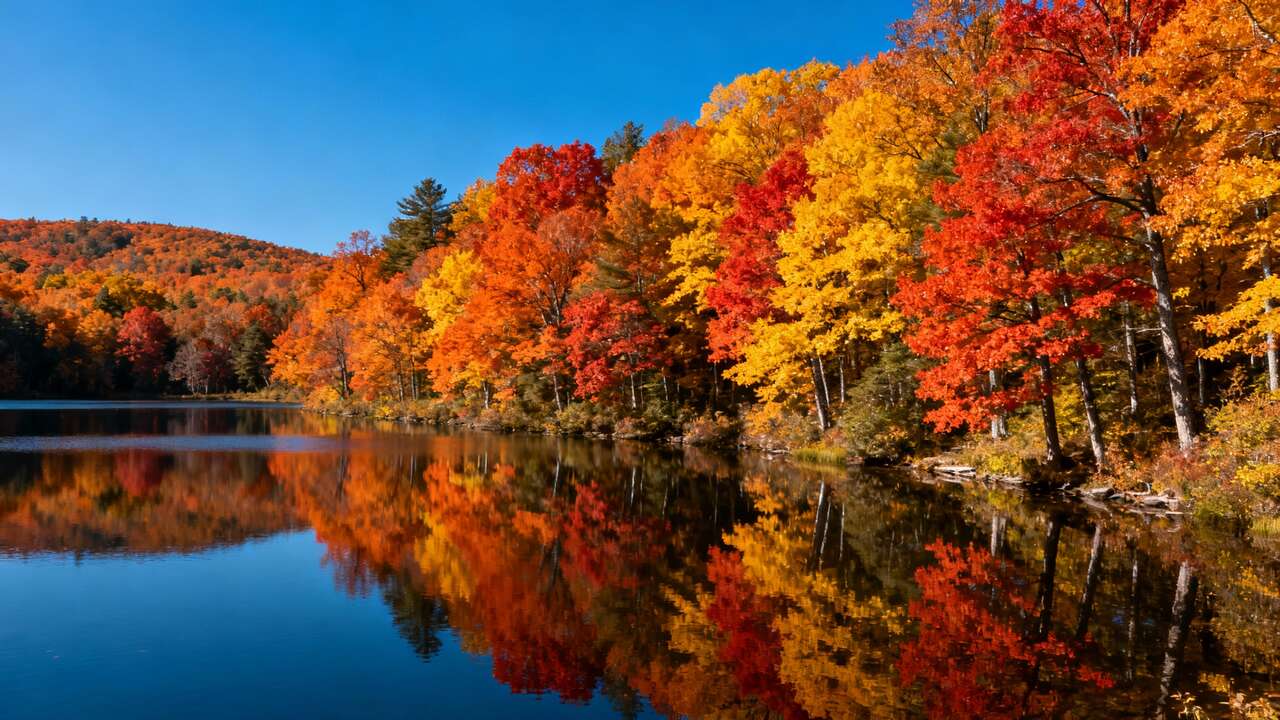

Autumn is often considered one of the best times to explore the national parks of the United States. As the summer crowds dwindle, the landscapes don warm hues and cool temperatures, making the experience much more enjoyable. Here’s a look into four national parks that are secretly better to visit in autumn than in the summer.
Why Autumn Is the Best Season to Visit National Parks
While summer holds the title for the most popular season for park visits, autumn offers a unique combination of benefits that often provide a superior experience. The shift in season transforms these natural spaces, creating an entirely different atmosphere from the bustling peak months.
Fewer Crowds and More Serenity
The most immediate advantage of an autumn visit is the significant reduction in crowds. With schools back in session and summer vacations over, trails, viewpoints, and visitor centers become far less congested. This allows for a more intimate and peaceful connection with nature. You can enjoy the sound of wind rustling through the leaves instead of the chatter of a thousand tourists. This solitude makes it easier to find parking, book lodging, and experience the park’s main attractions without long waits. For many, this tranquility is the very reason for seeking out a national park in the first place.
| Month | Average Monthly Visitors | Visitor Experience |
|---|---|---|
| July (Summer) | ~500,000 | High congestion, long shuttle lines, limited parking |
| October (Autumn) | ~400,000 | Moderate crowds, shorter waits, more accessible |
Pleasant Weather and Active Wildlife
The oppressive heat of summer gives way to crisp, cool, and comfortable temperatures in the fall. This makes strenuous physical activities like hiking and biking much more enjoyable and safer. The risk of heatstroke diminishes, and the air is often clearer, offering better visibility for sweeping vistas. Furthermore, many animals become more active during this period as they prepare for winter. Autumn is a prime time for wildlife viewing, with opportunities to see:
- Elk and moose during their rutting (mating) season.
- Bears foraging for food before hibernation.
- Migratory birds heading south for the winter.
The combination of comfortable weather and active wildlife creates a dynamic and engaging environment for visitors.
This ideal blend of fewer people, comfortable weather, and vibrant natural displays is perfectly exemplified by the dramatic coastal landscapes of New England, where one park in particular puts on a world-class autumn show.
Acadia: a Spectacle of Autumn Colors
Located on the coast of Maine, Acadia National Park is renowned for its rugged shoreline, granite peaks, and historic carriage roads. In autumn, it transforms into a fiery canvas of reds, oranges, and yellows, set against the deep blue of the Atlantic Ocean. The contrast is simply breathtaking.
The Peak Foliage Window
Timing is everything when it comes to seeing Acadia’s fall colors. The peak foliage typically occurs around the second or third week of October. During this period, the park’s mixed hardwood forests, featuring maple, birch, and oak trees, reach their most vibrant state. The crisp sea air seems to make the colors even more intense. It is crucial to check local foliage reports before planning a trip, as the timing can vary slightly from year to year based on weather patterns.
Iconic Trails and Viewpoints
Acadia offers numerous vantage points to soak in the autumn scenery. The 27-mile Park Loop Road provides stunning, accessible views right from your vehicle, with plenty of pull-offs for photos. For a more immersive experience, a hike is a must.
- Cadillac Mountain: As the highest point on the North Atlantic seaboard, it offers a 360-degree panoramic view of the island’s fall colors and the surrounding ocean.
- Jordan Pond Path: This easy, 3.3-mile loop trail offers beautiful reflections of the colorful hillsides in the clear water of Jordan Pond.
- The Beehive Trail: For the more adventurous, this challenging climb rewards hikers with unparalleled views of Sand Beach and the fiery coastline.
While the coastal colors of Acadia are legendary, heading south into the ancient Appalachian range reveals a different, yet equally mesmerizing, autumnal display characterized by rolling hills and a mystical morning mist.
Great Smoky Mountains: among Mist and Golden Foliage
Straddling the border between North Carolina and Tennessee, Great Smoky Mountains National Park is America’s most visited national park. Its immense biodiversity and varying elevations create one of the most prolonged and diverse fall color seasons in the country.
A Symphony of Colors at Different Elevations
The park’s wide range of elevations, from 876 to 6,643 feet, means that fall colors emerge over several weeks. The foliage begins to turn at the highest elevations in mid-to-late September and gradually works its way down to the lower valleys by early November. This extended season provides a flexible window for visitors. The sheer diversity of tree species, over 100 native varieties, contributes to a stunningly complex color palette.
| Tree Species | Typical Fall Color | Common Location |
|---|---|---|
| Sugar Maple | Brilliant Orange and Red | Mid-to-high elevations |
| Hickory | Golden Yellow | All elevations |
| Sourwood | Deep Crimson | Low-to-mid elevations |
| American Beech | Yellowish Bronze | High elevations |
Scenic Drives and Overlooks
The park is famous for its scenic drives that become tunnels of color in the fall. The Newfound Gap Road climbs over 3,000 feet, offering numerous overlooks with expansive views of the color-drenched mountains. The Cades Cove Loop Road is another popular destination, providing opportunities to see historic buildings and wildlife, such as white-tailed deer and black bears, set against a backdrop of autumn foliage. The characteristic “smoke” or mist that gives the mountains their name often hangs in the valleys in the cool autumn mornings, adding a layer of ethereal beauty to the landscape.
From the misty, rolling hills of the East, the autumn journey takes us west to the Sierra Nevada, where granite monoliths and giant sequoias offer a different kind of fall tranquility.
Yosemite: a Tranquil Retreat in Autumn
Yosemite National Park in California is a global icon, known for its towering granite cliffs, ancient sequoia groves, and breathtaking waterfalls. While summer sees overwhelming crowds, autumn ushers in a period of calm and subtle beauty, making it an ideal time for a more contemplative visit.
The Valley in Golden Hues
Unlike the eastern parks, Yosemite’s fall color is not an overwhelming sea of red. Instead, it is a more nuanced display of golds, yellows, and oranges that stand in stark contrast to the gray granite and deep green pines. Big-leaf maples and black oaks in Yosemite Valley provide brilliant splashes of yellow, while the Pacific dogwoods turn a lovely shade of pink and red. The Merced River, flowing gently through the valley, reflects this golden light, creating perfect conditions for photography, especially during the “golden hour” of late afternoon.
Chasing Waterfalls and Exploring Trails
By autumn, many of Yosemite’s famous waterfalls, including Yosemite Falls, have slowed to a trickle or dried up completely. However, this shouldn’t be a deterrent. The lack of roaring water is replaced by a profound quiet. It is also the perfect season to explore the park’s vast network of trails without the summer heat. Hikes that are grueling in July become pleasant excursions in October.
- Mist Trail to Vernal and Nevada Fall: With less spray, the steps are less slippery, and the views of the granite landscape are unobstructed.
- Valley Loop Trail: A relatively flat trail that offers a tour of the valley’s best fall color spots and iconic views of El Capitan and Half Dome.
- Mariposa Grove of Giant Sequoias: Walking among these ancient giants is a humbling experience, made even more magical by the crisp autumn air and softer light.
While Yosemite offers a serene mountain escape, another Appalachian park provides an experience defined by one of the most famous scenic drives in the country, especially during the fall.
Shenandoah: the Appalachian Charm in Autumn
Nestled in the Blue Ridge Mountains of Virginia, Shenandoah National Park is an autumn paradise for leaf-peepers. Its main feature, the 105-mile Skyline Drive, becomes one of the most sought-after scenic routes in the United States when the fall colors peak in October.
Skyline Drive: a Legendary Autumn Route
Skyline Drive winds its way along the crest of the mountains, offering nearly 75 overlooks with stunning views of the Shenandoah Valley to the west and the rolling Piedmont to the east. During autumn, these views are transformed into a patchwork quilt of vibrant colors. Driving the entire length of the park is a quintessential fall experience, allowing visitors to witness the changing foliage at different elevations. The drive itself is an attraction, with the canopy of trees often forming a colorful tunnel over the road.
Hiking Through a Fiery Canopy
Shenandoah boasts over 500 miles of hiking trails, including a 101-mile section of the Appalachian Trail. Hiking in the fall means walking on a carpet of fallen leaves under a brilliant canopy. The cool, dry weather is perfect for tackling some of the park’s most rewarding summits.
- Old Rag Mountain: A challenging rock scramble that rewards hikers with spectacular 360-degree views of the autumn landscape.
- Hawksbill Mountain: As the highest peak in the park, it offers an expansive vista that is particularly beautiful at sunrise or sunset.
- Dark Hollow Falls Trail: A short but steep trail that leads to a picturesque waterfall surrounded by colorful foliage.
From the dense forests of the East Coast, our final stop takes us to the desert southwest, where autumn brings not only a surprising burst of color but also much-needed relief from the scorching summer heat.
Zion: the Striking Contrasts of the Fall Season
Zion National Park in Utah is a land of massive sandstone cliffs and narrow slot canyons. While known for its desert environment, the park undergoes a dramatic and beautiful transformation in the fall. The season provides the perfect conditions to explore its world-famous and demanding hikes.
Cottonwoods Along the Virgin River
The primary source of fall color in Zion comes from the Fremont cottonwood trees that line the Virgin River. In late October and November, their leaves turn a brilliant yellow-gold. This vibrant ribbon of color snaking through the bottom of the deep red canyon creates a stunning and unique visual contrast. The Pa’rus Trail and the Riverside Walk are excellent, easy trails for experiencing this spectacle up close. The cooler temperatures and lower water levels also make this the best time of year to hike a portion of The Narrows.
Ideal Conditions for Strenuous Hikes
Zion’s most iconic hikes can be dangerous or nearly impossible in the extreme heat of summer. Autumn brings mild, stable weather that is ideal for tackling these bucket-list adventures. The reduced risk of flash floods, a common summer hazard, also makes exploring the park’s canyons safer.
| Condition | Summer (July/August) | Autumn (October/November) |
|---|---|---|
| Average High Temperature | 100°F (38°C) | 65°F (18°C) |
| Flash Flood Risk | High (monsoon season) | Low |
| Crowds on Major Trails | Extreme | Moderate to High |
| Ideal for The Narrows | Risky due to floods | Optimal conditions |
Hikes like Angels Landing and Observation Point, which are exposed and physically demanding, become significantly more pleasant and accessible in the fall, allowing hikers to fully appreciate the park’s grandeur without battling heat exhaustion.
Visiting a national park in autumn allows one to not only avoid summer crowds but also experience a color palette that few seasons offer. With mild climate and breathtaking landscapes, these four parks are among the best choices for an unforgettable autumn trip. Plan your visit between September and October to fully enjoy these magical experiences.

- The 5 most affordable ski resorts in North America for the 2025 season - 13 November 2025
- Far Less Crowded Than the Grand Canyon, This Utah Park Offers Views Just as Spectacular This Fall - 13 November 2025
- This California Town Has a Unique Danish Village Vibe You Won’t Find Anywhere Else - 12 November 2025
Pubblicazioni simili :
 This Remote Desert Town Is the New Marfa, You Need to Visit Before It Becomes Too Mainstream
 This Isn’t the Sahara, It’s North America’s Tallest Sand Dunes in a Colorado National Park
 This California City’s “Second Summer” Makes It the Absolute Best Beach Getaway This Autumn
 Autumn Is the Secret “Shoulder Season” to Visit This Arizona Desert Paradise on a Budget