
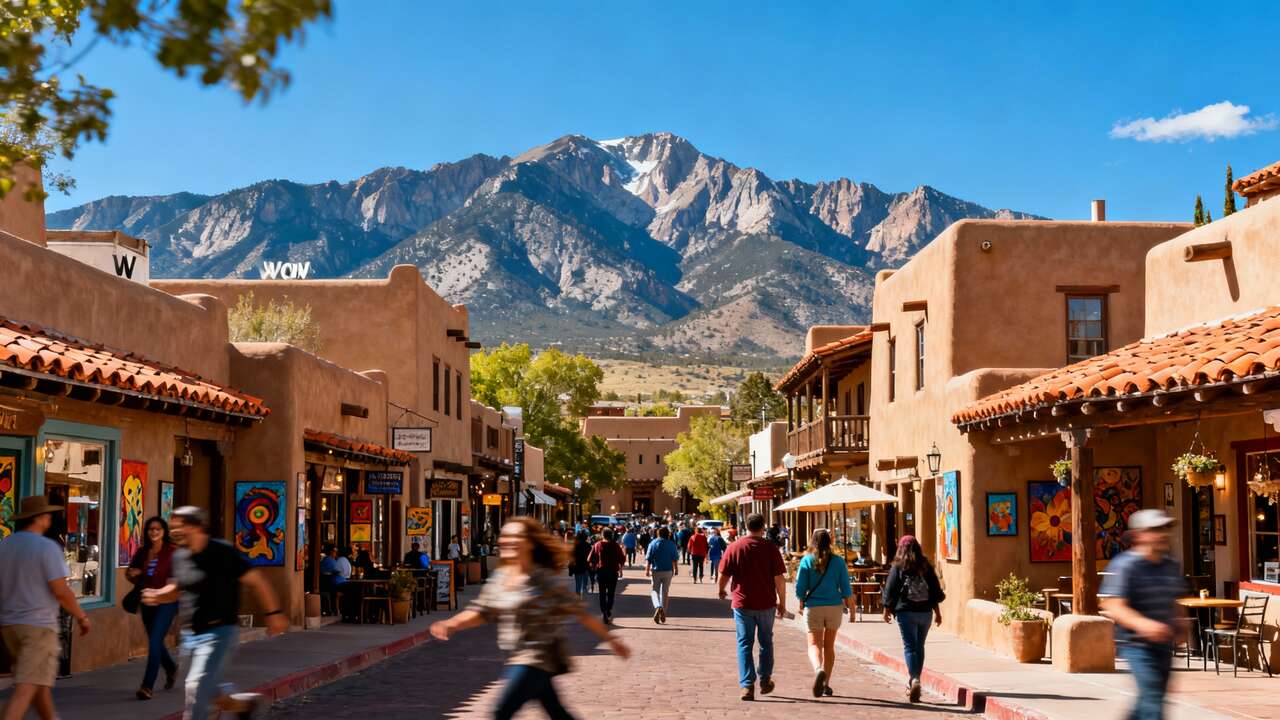

Nestled in the high desert of northern new mexico, santa fe stands as a testament to a rich and layered history. Its singular character is not born from a single source but from the confluence of native american, spanish colonial, and anglo-american cultures. This tri-cultural heritage is visibly etched into the city’s very fabric, from its distinctive architecture to its world-renowned art scene. Visitors often speak of the quality of the light, the scent of piñon smoke in the air, and a palpable sense of history that permeates the winding, narrow streets. It is a city that doesn’t just display its culture; it lives and breathes it, offering an immersive experience unlike any other in the united states.
discovering santa fe : a fascinating city in the heart of new mexico
a city of contrasts and history
As the nation’s oldest state capital, founded in 1610, santa fe’s history is long and complex. Its official title, la villa real de la santa fe de san francisco de asís, reflects its deep spanish colonial roots. For centuries, it was a remote outpost on the frontier, a center for trade, conflict, and cultural exchange. This unique position has shaped a resilient and distinct identity. The city is a place of contrasts, where ancient traditions coexist with a progressive, contemporary arts scene. The historic plaza, the heart of the city for over 400 years, remains a vibrant gathering place, surrounded by buildings that have witnessed centuries of change.
| historical milestone | significance |
|---|---|
| c. 1050-1150 | ancestral pueblo people establish communities in the area. |
| 1610 | founded by spanish colonists, becoming the capital of nuevo méxico. |
| 1821 | mexico gains independence from spain; santa fe becomes a territorial capital. |
| 1848 | new mexico is ceded to the united states after the mexican-american war. |
| 1912 | new mexico achieves statehood, with santa fe as its capital. |
the spirit of the southwest
The spirit of santa fe is deeply connected to its natural surroundings. Situated at 7,000 feet in the foothills of the sang de cristo mountains, the city is defined by its high-desert landscape. The clear, intense light has attracted artists for generations, who find inspiration in the dramatic vistas and the subtle colors of the earth. This environment fosters a culture that values creativity, spirituality, and a connection to the land. It’s a place where one can explore ancient ruins in the morning, browse sophisticated art galleries in the afternoon, and dine at a world-class restaurant in the evening. This blend of rugged nature and refined culture is at the core of what makes santa fe so unforgettable.
The city’s physical form, with its low-slung, earth-toned buildings, seems to rise organically from the landscape itself, a direct reflection of its architectural heritage.
a unique architectural heritage : the adobe treasures
the fundamentals of adobe style
The defining visual characteristic of santa fe is its architecture, a style deeply rooted in the materials and traditions of the region. The primary building material is adobe, a mixture of sun-dried earth, water, and straw. This ancient technique, used by the pueblo peoples for centuries and later adapted by the spanish, results in buildings with thick, insulating walls that are cool in the summer and warm in the winter. Key features of the pueblo revival or santa fe style include:
- massive, earth-colored walls with soft, rounded corners.
- flat roofs supported by heavy timber beams called vigas, whose ends often project through the exterior walls.
- enclosed patios or courtyards that provide private, shaded outdoor living spaces.
- deeply set windows and colorful, often blue, doors and window frames.
iconic adobe structures
Throughout the city, historic buildings stand as stunning examples of this unique architectural form. The palace of the governors, built in 1610, is the oldest continuously occupied public building in the united states and a quintessential example of spanish colonial adobe construction. Nearby, the san miguel chapel makes a claim as the oldest church in the country, its thick adobe walls having been rebuilt and reinforced over centuries. Perhaps the most mysterious structure is the loretto chapel, famous for its “miraculous staircase,” a helix-shaped spiral staircase built without any apparent central support, a feat of carpentry that continues to puzzle engineers and inspire awe in visitors.
modern interpretations of a timeless style
While deeply historical, the santa fe style is not static. Contemporary architects and builders continue to draw inspiration from these traditional forms, adapting them for modern living. New homes and commercial buildings across the city adhere to the aesthetic, using modern materials and techniques to mimic the look and feel of traditional adobe. This commitment to a unified architectural identity is a major reason why the city has retained its distinctive charm and sense of place. This visual harmony, born from mud and timber, has created the perfect canvas for another of the city’s defining features: its art.
art as identity : galleries and museums of santa fe
canyon road : a mile of art
For art lovers, a walk down canyon road is an essential pilgrimage. This narrow, winding street is home to over one hundred art galleries, boutiques, and restaurants housed in historic adobe buildings. In just a half-mile stretch, visitors can experience a breathtaking range of artistic expression. The galleries showcase everything from traditional native american pottery and intricate textiles to bold contemporary paintings and monumental sculptures. It is a place for quiet contemplation and vibrant discovery, where every doorway seems to open into another world of creativity. The sheer density and quality of art have cemented santa fe’s status as the third-largest art market in the united states.
| art style | characteristics | notable mediums |
|---|---|---|
| traditional southwestern | depictions of landscapes, native cultures, and historical themes. | oil painting, watercolor, bronze sculpture. |
| native american | pottery, jewelry, weaving, and sculpture rooted in tribal traditions. | clay, silver, turquoise, natural fibers. |
| contemporary | abstract, conceptual, and experimental works. | mixed media, installation, photography. |
museum hill’s cultural collection
Perched on a hill overlooking the city, museum hill offers a collection of four world-class institutions that provide a deep dive into the region’s diverse cultural heritage. This cultural campus allows visitors to easily spend a full day immersed in art and history. The institutions include:
- the museum of indian arts & culture : showcasing the rich and varied histories of the pueblo, navajo, and apache peoples.
- the museum of international folk art : home to the world’s largest collection of folk art from over 100 countries.
- the museum of spanish colonial art : dedicated to preserving the artistic traditions of the hispanic new mexico.
- the wheelwright museum of the american indian : focusing on solo exhibitions of contemporary and historic native american art.
a tribute to a modern master : the georgia o’keeffe museum
No discussion of santa fe’s art scene would be complete without mentioning the georgia o’keeffe museum. Dedicated to the life and work of one of America’s most significant modernist painters, the museum holds the largest collection of her work in the world. O’keeffe was captivated by the landscapes of northern new mexico, and her iconic paintings of sun-bleached bones, dramatic mesas, and vibrant flowers have become synonymous with the southwest. The museum offers a profound insight into her artistic vision and her deep connection to the place she called home. The powerful creative energy of the region not only inspires established artists but also provides a unique opportunity for visitors to connect directly with the creators themselves.
artistic journeys : meeting local artists
open studios and artist workshops
One of the most enriching experiences in santa fe is the opportunity to move beyond the gallery walls and engage directly with the artistic community. Many artists open their studios to the public, either by appointment or during city-wide studio tours held throughout the year. These events provide a rare glimpse into the creative process, allowing visitors to see where the art is made, discuss techniques with the artists, and purchase works directly from the source. For those looking to be more hands-on, numerous workshops are available, offering instruction in everything from traditional weaving and pottery to plein air painting and silverwork.
traditional crafts and native american artisans
A cherished santa fe tradition is the native american vendors program at the palace of the governors. Every day, artisans from surrounding pueblos and tribes display their authentic, handmade wares for sale under the historic portal of the palace. This juried program ensures the quality and authenticity of the crafts, which include stunning silver and turquoise jewelry, hand-coiled pottery, and other traditional items. Buying directly from the artists here is not just a commercial transaction; it is a cultural exchange that supports the preservation of centuries-old artistic traditions and provides a personal connection to the piece and its maker.
This vibrant, artist-driven culture culminates in several major annual events that draw collectors and enthusiasts from around the globe.
the unmissable cultural events in santa fe
a calendar packed with tradition
Santa fe’s calendar is brimming with cultural events that celebrate its unique heritage. These festivals and markets are cornerstones of the city’s identity, drawing massive crowds and infusing the city with energy. Some of the most significant annual events include:
- the santa fe indian market : the world’s largest and most prestigious juried native art show, held every august.
- the traditional spanish market : a celebration of hispanic artistic traditions, held in july.
- the international folk art market : bringing master folk artists from around the world to museum hill each summer.
- the burning of zozobra : a unique tradition where a giant marionette, “old man gloom,” is burned to dispel the year’s anxieties.
- the santa fe opera : renowned for its world-class productions in a spectacular open-air theater.
celebrating culinary arts
The city’s creative spirit extends to its culinary scene, which is celebrated at events like the santa fe wine & chile fiesta. This week-long event in the fall pairs local chefs with international wineries for a series of tastings, cooking demonstrations, and special dinners. It highlights the importance of new mexico’s signature ingredients, particularly the red and green chile, which are central to the state’s cuisine. The vibrant food culture is an essential part of the santa fe experience. The deep commitment to celebrating these traditions is matched by a concerted effort to protect the city’s foundational heritage.
key players : initiatives for preserving cultural heritage
the role of preservation trusts
The remarkable preservation of santa fe’s historic character is not accidental. It is the result of decades of dedicated effort by community organizations and preservation trusts. These groups work tirelessly to protect historic buildings, advocate for responsible development, and educate the public about the importance of the city’s cultural assets. They provide resources for owners of historic adobe homes and play a crucial role in safeguarding the landmarks that define the city’s visual identity for future generations. Their work ensures that the story of santa fe, as told through its architecture, remains intact.
city ordinances and architectural review
This preservation effort is formally codified in the city’s strict building and zoning laws. Santa fe’s historic districts are protected by ordinances that regulate everything from building height and materials to the color of paint. A historic styles committee reviews new construction and renovation projects to ensure they are in harmony with the city’s traditional aesthetic. While sometimes controversial, these regulations are widely credited with preventing the kind of development that has erased the unique character of many other american cities. It is a testament to the community’s collective will to protect what makes it special.
supporting indigenous arts and culture
Preservation in santa fe extends beyond buildings to the living cultures that created them. Institutions like the institute of american indian arts provide higher education centered on native arts and culture, fostering the next generation of indigenous artists, writers, and cultural leaders. Similarly, programs that support the continuation of traditional spanish colonial arts help ensure these vital skills are not lost. These initiatives are fundamental to maintaining the cultural authenticity that is the very soul of the city.
Santa fe’s allure lies in the seamless integration of its past and present. The city’s identity is forged from its tri-cultural history, expressed through the soft contours of its adobe architecture and the vibrant creativity of its unparalleled art scene. This commitment to preserving its architectural and cultural heritage ensures that the city remains a deeply authentic destination, a place where history is not just remembered but is a living, breathing part of the everyday experience.

- The 5 most affordable ski resorts in North America for the 2025 season - 13 November 2025
- Far Less Crowded Than the Grand Canyon, This Utah Park Offers Views Just as Spectacular This Fall - 13 November 2025
- This California Town Has a Unique Danish Village Vibe You Won’t Find Anywhere Else - 12 November 2025
Pubblicazioni simili :
 This New Zealand city is the adventure capital of the world
 This California City’s “Second Summer” Makes It the Absolute Best Beach Getaway This Autumn
 This magical Polish city has the most underrated Christmas market in Europe
 Autumn in This New Mexico City Is Filled With Art, Culture, and Crisp Mountain Air