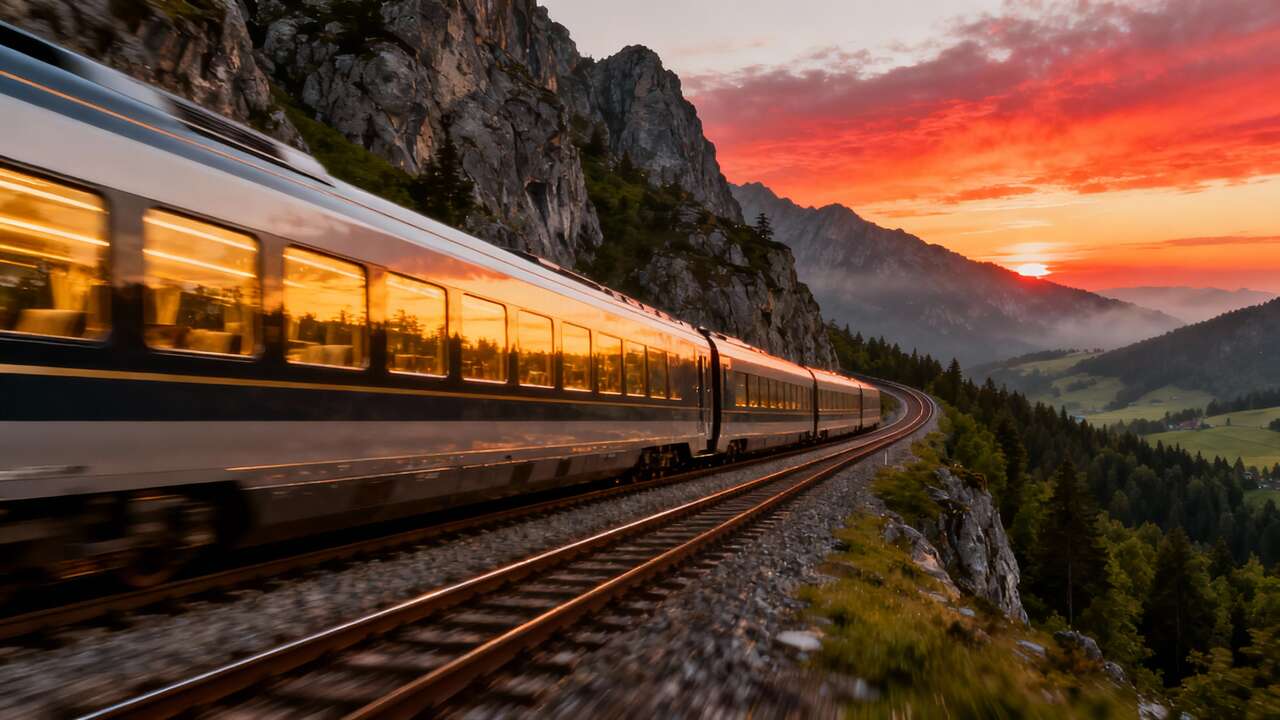

Amid the pantheon of great rail journeys, few capture the imagination quite like the passage through the Canadian Rockies. This is not merely a method of transit but a rolling theater showcasing one of the planet’s most dramatic landscapes. Aboard a specially designed train, travelers are immersed in a world of soaring peaks, turquoise lakes, and dense forests, all viewed through panoramic windows that erase the boundary between the luxurious interior and the wild exterior. It is an experience that redefines travel, blending impeccable service with scenery of an almost impossible scale, creating a journey that lingers in memory long after the final destination is reached.
Discovering the Rocky Mountaineer: an Iconic Journey
What is the Rocky Mountaineer ?
The Rocky Mountaineer is not a commuter train; it is a purpose-built luxury sightseeing train designed to offer unparalleled views of Western Canada and, more recently, the American Southwest. The core of the experience is its fleet of custom-designed glass-dome coaches. These railcars feature oversized windows that stretch up to the ceiling, providing a 180-degree panoramic view of the passing scenery. The journey is engineered for observation, with the train slowing down at key points of interest, such as waterfalls, canyons, and wildlife sightings, allowing passengers ample time to take in the spectacle. Onboard hosts provide engaging storytelling, sharing tales of the region’s history, geography, and folklore, adding a rich layer of context to the visual feast outside.
The Daylight Travel Philosophy
A defining feature of the Rocky Mountaineer is its commitment to daylight travel. Unlike traditional sleeper trains that cover vast distances overnight, this journey is paused each evening. This unique approach ensures that passengers do not miss a single moment of the breathtaking landscapes. Each day, the train travels through the most scenic portions of the route, arriving in a charming mountain town or city like Kamloops, Whistler, or Glenwood Springs in the late afternoon. Guests disembark and are transferred to comfortable hotel accommodations for the night. This means every morning begins with a new chapter of scenery, viewed in the full light of day, from the comfort of a luxury railcar rather than a dark cabin.
This daylight-only schedule not only maximizes sightseeing opportunities but also allows for a more relaxed and civilized travel pace, a stark contrast to the rush of modern transport. The focus remains squarely on the journey itself, a philosophy that has cemented its reputation as one of the world’s leading travel experiences.
Popular Routes for an Unforgettable Adventure
First Passage to the West
This is the railway’s signature route, tracing the historic path of the Canadian Pacific Railway that first connected Canada from coast to coast. Traveling between the coastal city of Vancouver and the iconic mountain towns of Banff or Lake Louise, this journey is steeped in history. Passengers witness a dramatic shift in landscape, from the lush Fraser Valley to the arid canyons of British Columbia’s interior, before climbing into the heart of the Rockies. Key highlights include the engineering marvels of the Spiral Tunnels, where the track loops back on itself to navigate the steep Kicking Horse Pass, and Craigellachie, the site where the last spike of the railway was driven.
Journey Through the Clouds
Connecting Vancouver with Jasper, this route offers a slightly different, more remote perspective of the Canadian Rockies. It follows the Fraser River and ventures into pristine wilderness, showcasing some of the most stunning and untouched scenery in the region. The undisputed highlight of this itinerary is the view of Mount Robson, the highest peak in the Canadian Rockies. On a clear day, its majestic, ice-crowned summit is an unforgettable sight. The route also passes by the spectacular Pyramid Falls, a cascading waterfall that tumbles down a sheer rock face, accessible only by rail.
Rockies to the Red Rocks
Marking the railway’s first venture into the United States, the Rockies to the Red Rocks route travels between Denver, Colorado, and Moab, Utah. This two-day journey showcases the breathtaking landscapes of the American Southwest. Passengers are treated to views of vast canyons, inspiring deserts, and natural archways carved by millennia of wind and water. The train follows the Colorado River, passing through a series of dramatic canyons before climbing onto the Continental Divide. It is a completely different but equally awe-inspiring experience, swapping alpine forests for the vibrant red sandstone formations that define this iconic region.
While each route offers its own unique vistas and historical narrative, they all share a common thread of impeccable service and luxurious comfort, which varies depending on the level of service chosen for the journey.
Onboard Service Levels: comfort and Luxury
SilverLeaf Service
SilverLeaf Service provides an exceptional way to experience the Rockies in comfort and style. Passengers are seated in a custom-designed, single-level dome coach with oversized windows that offer fantastic panoramic views. Hot gourmet breakfasts and lunches are served at your seat, accompanied by a selection of complimentary beverages, including wine, beer, and spirits. The experience is guided by two dedicated onboard hosts per coach who provide engaging commentary and attend to every need. Luggage is delivered directly to your hotel room each evening, ensuring a seamless and hassle-free journey.
GoldLeaf Service
For the ultimate in luxury, GoldLeaf Service is unparalleled. This premium offering features a bi-level dome coach. The upper level is dedicated to seating under a full glass-dome roof, providing truly unobstructed 360-degree views. The lower level houses an elegant private dining room where passengers enjoy gourmet à la carte meals prepared by an executive culinary team. Perhaps the most coveted feature of GoldLeaf is the exclusive outdoor viewing platform. This space allows guests to step outside into the fresh mountain air to feel the wind and take reflection-free photographs. With a higher staff-to-guest ratio, the service is exceptionally attentive.
A Comparison of Services
To help travelers decide, here is a direct comparison of the key features offered by SilverLeaf and GoldLeaf Service.
| Feature | SilverLeaf Service | GoldLeaf Service |
|---|---|---|
| Coach Type | Single-level dome coach with oversized windows | Bi-level dome coach with full-length dome windows |
| Dining | Hot meals served at your seat | Gourmet à la carte meals in a private dining room |
| Outdoor Viewing | N/A | Exclusive large outdoor viewing platform |
| Beverages | Complimentary alcoholic and non-alcoholic drinks | Complimentary alcoholic and non-alcoholic drinks |
| Hosts | 2 hosts per coach | 3-4 hosts and a full culinary team per coach |
| Luggage | Complimentary luggage delivery to hotel | Complimentary luggage delivery to hotel |
Choosing the right service level often depends on personal preference and budget, but both promise an extraordinary journey. The timing of that journey, however, can dramatically change the nature of the scenery you will encounter.
The Rocky Mountaineer Seasons: when is the Best Time ?
Spring Awakening (April – May)
Traveling in the spring offers a unique perspective on the Rockies. The high peaks are still draped in a thick blanket of snow, creating a stunning contrast with the emerging green of the valleys below. Waterfalls, fed by the melting snow, are at their most powerful and dramatic. It is also a fantastic time for wildlife viewing, as animals like bears emerge from hibernation and descend to lower elevations in search of food. The daylight hours are long, and while the weather can be unpredictable, the landscapes are incredibly dynamic and alive with the energy of a new season.
Summer Splendor (June – August)
Summer is the peak season for a reason. The weather is typically warm and pleasant, and the landscapes are at their most vibrant, with lush green forests and meadows filled with wildflowers. The iconic turquoise color of glacial lakes like Lake Louise is at its most intense during these months. Longer daylight hours provide maximum time for sightseeing. This is the most popular time to travel, so booking well in advance is essential to secure preferred dates and service levels. It is the classic Rocky Mountain experience, delivering picture-perfect scenery day after day.
Autumn’s Golden Hues (September – October)
For many, autumn is the most beautiful season in the Rockies. The air is crisp, the summer crowds have thinned, and the landscape is transformed into a breathtaking tapestry of gold, orange, and red. The golden larch trees, a unique deciduous conifer, are particularly spectacular in late September. This is also an active time for wildlife, as elk are in their rutting season and other animals are busy preparing for the coming winter. The first dustings of snow may begin to appear on the peaks, creating a stunning visual contrast with the fall colors below and providing a hint of the winter to come.
Regardless of the season, the journey presents endless moments for capturing the grandeur of the mountains, a prospect that delights photographers of all skill levels.
Spectacular Photo Opportunities in the Rockies
Capturing Wildlife from the Train
The slow pace of the train and the large windows make it an excellent platform for wildlife photography. The key is to be ready at all times. Keep your camera accessible and use a fast shutter speed to freeze the motion of both the animal and the train. A zoom lens is invaluable for getting frame-filling shots of distant subjects like bears, elk, bighorn sheep, and even eagles. The onboard hosts are experts at spotting wildlife and will announce sightings, giving you precious seconds to prepare your shot. Remember to be patient; the wild is unpredictable, which makes every successful photograph a true trophy.
Tips for Landscape Photography
The sheer scale of the Rockies can be challenging to capture. To convey the grandeur, look for ways to add a sense of scale, such as including a part of the train in the foreground. The outdoor viewing platform in GoldLeaf Service is a game-changer, eliminating window glare and allowing for more creative angles. When shooting through the glass, press your lens as close to the window as possible to minimize reflections. A polarizing filter can also help cut through haze and enhance the blue of the sky and the turquoise of the water. Look for leading lines, like the winding track or a river, to draw the viewer’s eye into your magnificent landscape shots.
Iconic Photo Spots
While the entire journey is photogenic, certain locations are legendary. Be sure to have your camera ready for these can’t-miss moments:
- The Cisco Crossing: A spot where two major railway bridges cross the Fraser River, one directly above the other, creating a fantastic geometric subject.
- Castle Mountain: A distinctive, castellated peak in Banff National Park that looks like a fortress and changes dramatically with the light.
- Pyramid Falls: A 300-foot waterfall that cascades down a rock face and is only visible from the train.
- Hell’s Gate: A narrow, churning gorge where the Fraser River is forced through a 110-foot-wide passage.
With an understanding of the routes, seasons, and photographic potential, the final step is turning this dream trip into a reality through careful planning.
How to Plan Your Rocky Mountaineer Journey
Booking Your Trip
Planning is crucial for a journey of this caliber. It is highly recommended to book your trip at least six to twelve months in advance, especially if you plan to travel during the peak summer months or in GoldLeaf Service, as these options sell out quickly. You can book directly through the Rocky Mountaineer website or work with a specialized travel agent who can help package your train journey with flights, hotels, and pre- or post-tour activities. Consider the direction of travel; some prefer the building anticipation of traveling from the coast into the mountains, while others enjoy the dramatic reveal of the Pacific Ocean at the end of their trip.
What to Pack for the Journey
Packing for the Rockies requires a strategy of layering. The weather can change rapidly, even in summer. Bring a mix of short- and long-sleeved shirts, a fleece or warm sweater, and a waterproof and windproof jacket. Onboard the train, the dress code is smart casual, so comfort is key. Essential items include:
- Comfortable, sturdy shoes for any off-train exploration.
- A good camera with extra batteries and memory cards.
- A pair of binoculars for spotting distant wildlife.
- Sunglasses, sunscreen, and a hat, as the sun can be intense at high altitudes.
Your main luggage is transported separately and will be waiting in your hotel room, so you only need to carry a small daypack with your essentials onto the train.
Extending Your Adventure
The train journey is often the centerpiece of a larger vacation. Many travelers choose to add several days before or after their rail adventure. Popular extensions include exploring the vibrant city of Vancouver, spending more time in the national parks of Banff and Jasper for hiking and sightseeing, or visiting the world-famous Calgary Stampede in July. Another fantastic option is to combine the train journey with an Alaskan cruise, creating a comprehensive land-and-sea exploration of North America’s most spectacular wilderness.
Embarking on this rail journey is more than a vacation; it is an immersion into the epic landscapes and pioneering history of the North American West. The combination of breathtaking scenery viewed from a glass-dome coach, complemented by gourmet cuisine and attentive service, creates a seamless and unforgettable travel experience. It is a testament to the idea that the journey itself, not just the destination, can be the most rewarding part of the adventure.

- The 5 most affordable ski resorts in North America for the 2025 season - 13 November 2025
- Far Less Crowded Than the Grand Canyon, This Utah Park Offers Views Just as Spectacular This Fall - 13 November 2025
- This California Town Has a Unique Danish Village Vibe You Won’t Find Anywhere Else - 12 November 2025
Pubblicazioni simili :
 This Georgia Island Is Called the “Galapagos of North America” for Its Untouched Wildlife
 Forget California, This State Has the Most Affordable Beach Towns for an Autumn Trip
 This Is the One US Town That Takes Halloween More Seriously Than Anywhere Else in the World
 This North Carolina Resort Is a Gilded Age Castle Turned Into a Luxury Hotel