
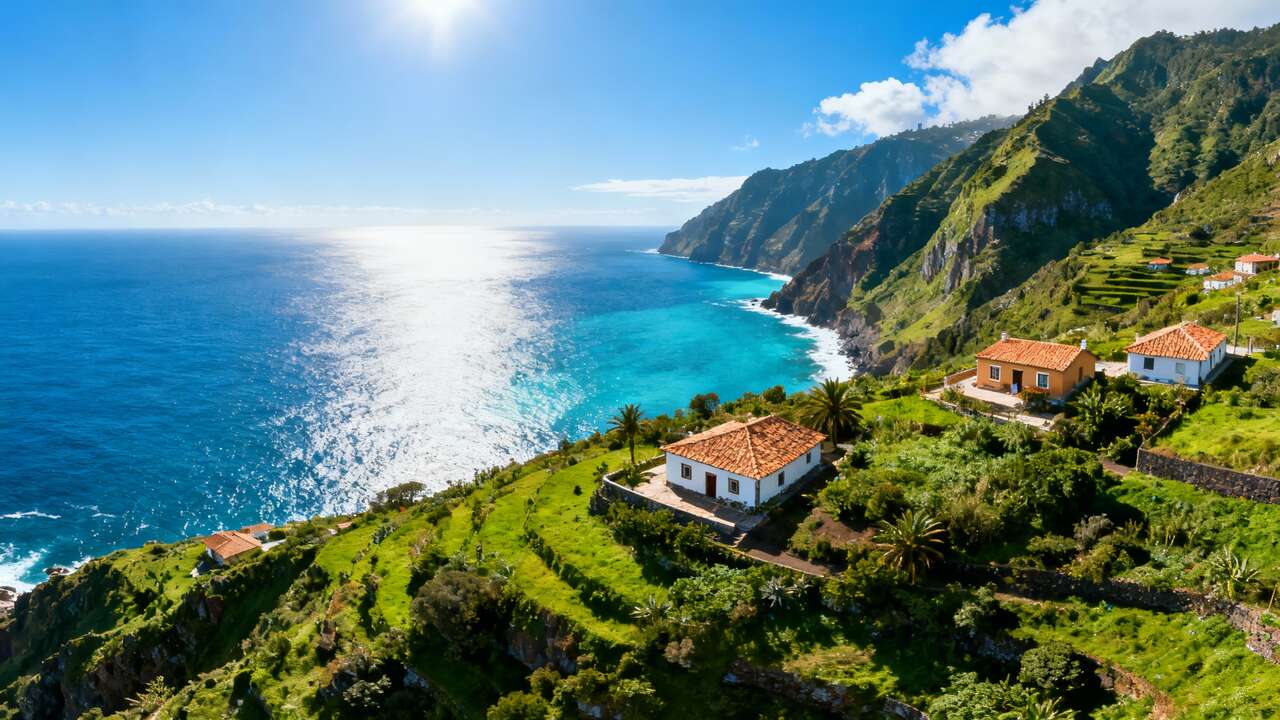

Tucked away in the vast expanse of the Atlantic Ocean, a Portuguese archipelago is rapidly capturing the imagination of global travelers. Dubbed the “new Hawaii,” the island of Madeira is emerging as a premier destination for those seeking dramatic natural beauty, year-round adventure, and an authentic escape from the world’s more crowded tourist trails. Its sudden ascent in popularity is no accident; it is a testament to an island that offers a rare blend of rugged wilderness and refined European culture, drawing in a new generation of explorers hungry for unique experiences.
Discovering the Island of Madeira
A Gem in the Atlantic
Positioned approximately 600 miles southwest of Portugal and 370 miles west of the Moroccan coast, Madeira is the main island of a volcanic archipelago of the same name. Its strategic location has historically made it an important port of call, but today, its isolation is part of its allure. This is not an island of sprawling resorts but a sanctuary of breathtaking landscapes and deep-rooted traditions. As part of Portugal, it offers the safety and infrastructure of a European destination while feeling a world away, a quality that has significantly boosted its appeal in recent years.
A Destination on the Rise
Once a quiet haven primarily known to European vacationers, Madeira’s reputation has soared. It now attracts a global audience, particularly those from North America, who find its blend of adventure and tranquility irresistible. The island has become a sanctuary for enthusiasts of hiking, nature, and serenity, offering a compelling alternative to more conventional tropical getaways. This surge is reflected in its growing tourism infrastructure, which is expanding to meet demand while striving to preserve the very character that makes the island so special. The comparison to Hawaii stems from its volcanic origins, lush green cliffs, and vibrant flora, yet Madeira retains a distinctly European charm.
Comparative Appeal: Madeira vs. Traditional Tropical Destinations
| Feature | Madeira | Typical Caribbean Destination |
|---|---|---|
| Primary Attraction | Mountain hiking, levada walks, dramatic landscapes | Sandy beaches, all-inclusive resorts |
| Climate | Subtropical, mild year-round | Tropical, with distinct wet/dry seasons |
| Crowd Level | Moderate, focused on nature trails | Often high, concentrated on beaches |
| Activities | Hiking, canyoning, whale watching, wine tasting | Snorkeling, sunbathing, nightlife |
The island’s raw, untamed beauty offers a different kind of paradise, one defined by soaring peaks and verdant valleys rather than endless stretches of sand.
The Unique Landscapes of Madeira
Volcanic Peaks and Verdant Valleys
Madeira’s topography is a masterpiece of natural forces. Born from volcanic activity, the island is characterized by towering mountains and deeply carved valleys that plummet towards the sea. The highest peak, Pico Ruivo, stands at over 6,100 feet, offering panoramic views that stretch across the entire island and out to the deep blue of the Atlantic. These rugged interiors are covered in a blanket of emerald green, thanks to the ancient Laurisilva forest, a UNESCO World Heritage site that harbors a prehistoric ecosystem of laurel trees and endemic flora. Exploring these landscapes feels like stepping into a lost world.
The Enchanting Levadas
Perhaps the most unique feature of Madeira’s landscape is its intricate network of levadas. These irrigation channels were ingeniously carved into the mountainsides beginning in the 15th century to carry water from the wetter northern regions to the drier, sun-drenched agricultural lands of the south. Today, they form an extraordinary system of over 1,350 miles of walking and hiking paths. Following a levada is the quintessential Madeiran experience, leading you through:
- Lush, subtropical forests
- Terraced farms growing bananas and sugarcane
- Tunnels carved directly through rock
- Spectacular waterfalls cascading into cool pools
These paths offer varying levels of difficulty, making the island’s hidden beauty accessible to nearly everyone.
A Dramatic and Rugged Coastline
While Madeira is not primarily a beach destination, its coastline is nothing short of spectacular. Sheer cliffs, known as fajãs, drop dramatically into the ocean. In places like Porto Moniz on the northwestern tip, volcanic eruptions have formed natural swimming pools, where the sea flows into lava-rock basins, creating a safe and stunning environment for a swim. Small, secluded black sand or pebble beaches can be found nestled at the base of cliffs, offering a quiet retreat for those who seek them out. The coastal views, especially from viewpoints like Cabo Girão, one of the highest sea cliffs in Europe, are simply unforgettable.
This diverse and dramatic terrain provides the perfect playground for a wide array of pursuits, catering to both thrill-seekers and those looking for peaceful immersion in nature.
Activities and Leisure in Madeira
A Hiker’s Paradise
With its varied terrain, Madeira is a world-class destination for hiking and trekking. The levada walks remain the most popular option, offering gentle, scenic strolls suitable for all fitness levels. For the more adventurous, the high-altitude mountain trails connecting the island’s highest peaks—Pico do Arieiro and Pico Ruivo—provide a challenging trek with unparalleled rewards. The Vereda do Fanal trail takes you through an ethereal, often mist-shrouded forest of ancient Til trees, creating a mystical atmosphere. Whether you are looking for a short walk or a multi-day expedition, the island’s well-marked trails offer endless opportunities for exploration.
Adventures on and in the Ocean
The waters surrounding Madeira are a rich marine sanctuary, home to a diverse population of whales and dolphins. Year-round boat tours offer the chance to see these magnificent creatures in their natural habitat. The Atlantic waves also attract surfers to the shores of Jardim do Mar and Paul do Mar. For those who prefer to go deeper, the Garajau Nature Reserve offers some of the best diving in the Atlantic, with clear waters and an abundance of marine life, including friendly Dusky Groupers. Other popular water activities include canyoning, coasteering, and stand-up paddleboarding along the dramatic coastline.
Funchal: A Capital of Charm
The island’s capital, Funchal, is a vibrant and picturesque city nestled in a natural bay. Its historic old town, the Zona Velha, is a maze of cobbled streets lined with centuries-old buildings, many of which have their doors painted with colorful art projects. A visit to Funchal is incomplete without experiencing:
- The Mercado dos Lavradores: a bustling farmers’ market overflowing with exotic flowers, tropical fruits, and fresh fish.
- A ride on the Funchal Cable Car: offering stunning views as it ascends to the village of Monte.
- The Monte Palace Tropical Garden: a breathtaking botanical garden featuring exotic plants from around the world and traditional Portuguese tiles.
- The famous toboggan ride: a thrilling descent from Monte back towards Funchal in a traditional wicker sled.
After a day of adventure, the island’s culinary scene provides the perfect way to refuel and immerse oneself in the local culture.
Gastronomy and Local Specialties
A Taste of the Island
Madeiran cuisine is a delicious reflection of its Portuguese roots and its unique island resources. Seafood is a staple, with the local specialty being espada com banana—black scabbardfish served with banana, a surprisingly delightful combination. Another must-try is espetada, skewers of beef rubbed with garlic and salt, grilled over an open fire on laurel wood sticks, which impart a distinctive flavor. For a quick and satisfying snack, look for bolo do caco, a circular flatbread cooked on a basalt stone slab and typically served warm with garlic butter.
The Legendary Madeira Wine
Madeira’s most famous export is its fortified wine, which has been celebrated for centuries. The unique heating and aging process, known as estufagem, was discovered by accident when barrels of wine were transported on long sea voyages through tropical climates. This process gives the wine its remarkable longevity and characteristic flavor profile. There are four main styles of Madeira wine, each named after the grape variety used.
Styles of Madeira Wine
| Style | Grape | Taste Profile | Best Paired With |
|---|---|---|---|
| Sercial | Sercial | Dry, high acidity, notes of citrus and nuts | Appetizers, seafood, olives |
| Verdelho | Verdelho | Off-dry, smoky notes, balanced acidity | Soups, smoked meats, pâté |
| Bual (Boal) | Bual | Medium-sweet, notes of caramel and dried fruit | Cheeses, desserts with nuts or coffee |
| Malvasia (Malmsey) | Malvasia | Sweet, rich, notes of toffee and vanilla | Rich desserts, chocolate, blue cheese |
A visit to one of the historic wine lodges in Funchal for a tasting is an essential part of any trip to the island.
The abundance of fresh ingredients and rich culinary traditions is supported by a climate that allows for cultivation throughout the year.
Madeira, an Ideal Destination All Year Round
The Climate of Eternal Spring
Madeira is renowned for its subtropical climate, which provides mild and pleasant temperatures throughout the year. The weather is often described as an “eternal spring,” with average temperatures rarely dropping below 60°F in winter or rising above 80°F in summer. This remarkable consistency eliminates the concept of an “off-season,” making it a perfect escape regardless of the time of year. The island does have microclimates, so it is possible to experience different weather conditions simply by traveling from the sunny southern coast to the cooler, misty mountains.
Festivals and Seasonal Events
While any time is a good time to visit, Madeira’s calendar is punctuated by vibrant festivals that can make a trip even more memorable. The Flower Festival in spring fills the streets of Funchal with parades of floats adorned with countless blossoms. In June, the Atlantic Festival features an international fireworks competition that lights up the night sky. However, the most famous event is the New Year’s Eve celebration, which boasts one of the world’s largest and most spectacular fireworks displays, officially recognized by Guinness World Records. These events add a layer of cultural richness to the island’s natural appeal.
With such a welcoming climate and a calendar full of attractions, planning a visit is a straightforward matter of deciding how to arrive.
How to Get to Madeira
Flights to the Island of Flowers
The primary gateway to the archipelago is the Cristiano Ronaldo International Airport (FNC), located near Funchal. In recent years, the number of direct flights to Madeira has increased significantly, with numerous connections from major European hubs like Lisbon, London, Paris, and Frankfurt. More recently, direct routes from North America, including New York, have been established, making the island more accessible than ever for international travelers. The airport itself is an engineering marvel, with a portion of its runway built on a platform of pillars over the sea.
Getting Around Madeira
Once on the island, renting a car is the most popular and flexible way to explore. The modern road network includes numerous tunnels that make traversing the mountainous terrain relatively easy. However, be prepared for steep, winding roads, especially when venturing into the interior. For those who prefer not to drive, a reliable public bus system connects Funchal to most towns and villages across the island. Taxis and ride-sharing services are also widely available, particularly in the capital. To explore the neighboring island of Porto Santo, known for its long golden sand beach, a ferry service operates regularly from Funchal.
With its stunning landscapes, endless activities, and year-round appeal, Madeira rightfully earns its reputation as a premier Atlantic destination. It offers an authentic and adventurous alternative to mainstream tropical vacations, inviting travelers to discover a unique blend of nature and culture on this remarkable Portuguese island.

- The 5 most affordable ski resorts in North America for the 2025 season - 13 November 2025
- Far Less Crowded Than the Grand Canyon, This Utah Park Offers Views Just as Spectacular This Fall - 13 November 2025
- This California Town Has a Unique Danish Village Vibe You Won’t Find Anywhere Else - 12 November 2025
Pubblicazioni simili :
 This Virginia Town Has Been Called the Most Beautiful Main Street in America by Experts
 This Georgia Island Is Called the “Galapagos of North America” for Its Untouched Wildlife
 Forget the Keys: This Laid-Back Florida Island Is the Real Undiscovered Paradise This Autumn
 Autumn in This New Mexico City Is Filled With Art, Culture, and Crisp Mountain Air