
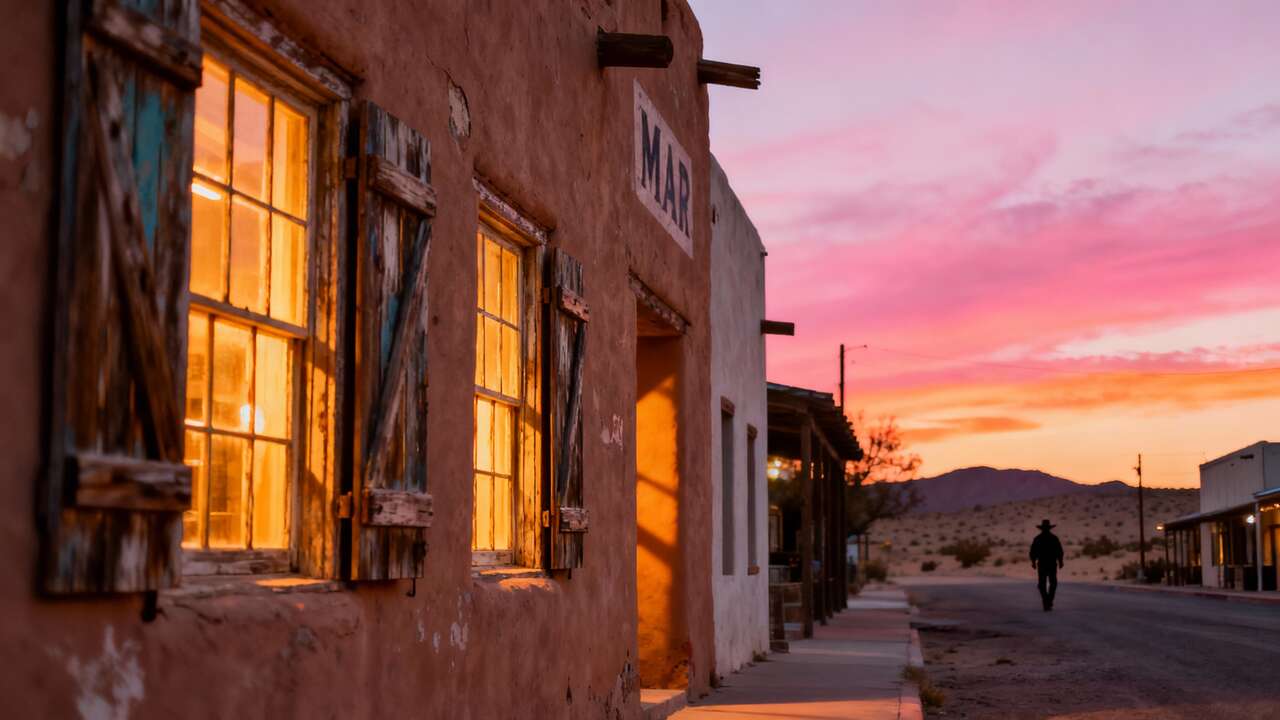

The unique progression of a small town nestled in the Chihuahuan desert might not typically catch the eye, yet Marfa, texas, defies expectations by emerging as a premier art destination in the United States. Its evolution from a quiet railroad water stop to a bustling cultural hub offers a compelling narrative on the interplay of creativity, landscape, and community. This metamorphosis is rooted deeply in the 1970s with the arrival of minimalist icon Donald Judd, who saw a vast, empty canvas where others saw only desolation. His vision catalyzed a transformation that continues to draw artists, collectors, and curious travelers to this remote corner of west texas.
The unique artistic evolution of Marfa
The transformation of Marfa into an art haven was not a sudden event but a gradual accretion of creative energy. Initially a modest town defined by its ranching history and stark desert surroundings, Marfa leveraged its serenity and isolation to become uniquely attractive to artists seeking inspiration and solitude away from the clamor of urban centers. The principles of minimalism and an ethos of unrestrained creative freedom formed the bedrock of this town’s new identity. As art began to seep into the everyday life of its residents, it reshaped their perception of Marfa not merely as a home but as a living, breathing canvas, fostering a communal spirit that proved intoxicating to both locals and a growing number of visitors.
An oasis for modern artistry
Marfa’s artistic evolution was a quiet collaboration between its inherent tranquility and the innovative inclinations of those who flocked to its borders. Artists from a spectrum of disciplines found themselves enchanted by the lyrical, expansive landscape, prompting the organic rise of studios, workshops, and unconventional exhibition spaces. This potent blend of natural beauty and focused creative fervor helped to cement Marfa’s reputation as a sanctuary for contemporary art, a place where large-scale ideas could be realized without the spatial and commercial constraints of the traditional art world. The town itself became a participant in the art, its dusty streets and adobe buildings serving as a backdrop and a medium.
The influence of one particular artist on this scene is nuanced yet unmistakable, extending beyond pure aesthetics into the realm of a profound cultural rebirth. This leads naturally to an exploration of Donald Judd’s singular impact, which effectively ushered in a new era for Marfa and set the stage for its international acclaim.
The influence of Donald Judd on the art scene
The legacy of Donald Judd in Marfa is both pervasive and profound; it is impossible to discuss the town’s artistic identity without acknowledging his foundational role. Judd, a leading figure of the minimalist movement, recognized the town’s potential not just as a personal retreat but as a permanent stage for monumental art installations that required space and light unavailable in New York City. His works, characterized by their industrial materials and spatial simplicity, found a perfect home in the vastness of the Chihuahuan desert, capturing the essence of Marfa’s expansive landscape and quiet intensity.
A catalyst for change
Judd’s relocation to Marfa in 1971 marked the definitive turning point in its transformation. He began acquiring numerous buildings, including two large hangars and other structures at the former Fort D. A. Russell, methodically repurposing them not as traditional galleries but as permanent spaces for his and other artists’ work. He showcased how art could be integrated seamlessly and permanently with its architectural and natural environment, highlighting the town’s unique charms while preserving its rustic, unvarnished character. His vision was not to change Marfa, but to create a place where art could exist on its own terms.
| Aspect | Marfa Pre-Judd (circa 1970) | Marfa Post-Judd (circa 2020) |
|---|---|---|
| Primary Identity | Ranching and railroad town | International art destination |
| Key Infrastructure | Ranches, basic services, railroad depot | Museums, galleries, boutique hotels, art foundations |
| Visitor Profile | Regional travelers, ranchers | Global art tourists, critics, artists, festival-goers |
| Cultural Landscape | Minimal; local community events | World-renowned installations, film festival, open studios |
By meticulously weaving his minimalist principles with the town’s existing spatial dynamics, Judd attracted a critical mass of like-minded artists, writers, and thinkers to Marfa. This established it as a de facto capital of contemporary art, a place defined by thoughtful, permanent installations rather than fleeting commercial exhibitions. As one delves into the specific artistic installations that now dot this desert town, it becomes clear how these foundational contributions have made Marfa an indispensable stop on any serious art pilgrimage.
Iconic art installations to discover
Marfa’s landscape is punctuated by iconic, large-scale installations that invite introspection, wonder, and often a bit of bewilderment. These works are not merely placed in the desert; they are in constant dialogue with it, their meaning shaped by the shifting light, the immense sky, and the profound silence. The art here challenges traditional perceptions and redefines the relationship between the work, its environment, and the observer, demanding time and presence from the viewer.
The allure of open-air creativity
Perhaps Marfa’s most photographed and debated piece is Prada Marfa, a permanently sealed replica of a Prada boutique created by artists Elmgreen & Dragset. Located on a lonely stretch of U.S. highway 90, it paradoxically embodies global consumer culture while being utterly isolated in the desert’s raw, undeveloped expanse. This piece, among others, exemplifies how Marfa’s art makes a powerful statement through juxtaposition and irony. But the heart of Marfa’s art scene remains the Chinati Foundation, Judd’s magnum opus, which houses his own monumental works alongside those of artists he admired, like Dan Flavin and John Chamberlain.
- The Chinati Foundation: Home to Judd’s 100 untitled works in mill aluminum and Dan Flavin’s six fluorescent light installations, each housed in its own repurposed army barracks.
- Prada Marfa: A pop-architectural land art project that has become a cultural landmark and a critique of consumerism.
- Ballroom Marfa: A non-profit cultural space that commissions and presents contemporary visual art, performance, and film, keeping the town’s creative pulse vibrant and current.
These installations do more than just attract art lovers; they instill a sense of cultural curiosity and foster a dialogue about what art can be and where it can exist. This spirit of creative exploration is not limited to static works, as evidenced by the influence of the local film festival on Marfa’s growing reputation.
The impact of the film festival on Marfa’s popularity
Further cementing the town’s cultural cachet, the Marfa Film Festival serves as an annual rendezvous for cinephiles, filmmakers, and creatives from around the globe. Unlike more commercial festivals, it operates with a non-competition, non-industry-focused ethos, prioritizing artistic merit and creating an intimate environment for appreciating the cinematic arts. Its program often features films that are as expansive and unconventional as the landscape in which they are screened, with viewings taking place in historic theaters, outdoors under the stars, and in other unique local venues.
An intersection of film and artistic tradition
The festival is a beacon for avant-garde and independent filmmakers who find a natural, receptive audience among Marfa’s art-savvy residents and visitors. This unique confluence of film and visual art underscores the town’s status as a holistic creative hub, offering a platform for innovative voices across multiple disciplines. The event animates the town for five days each year, drawing a new wave of visitors and media attention, and reinforcing the idea that Marfa is a place where creative boundaries are meant to be pushed. It demonstrates a commitment to nurturing all forms of artistic expression.
Through the success of the film festival, Marfa bolsters its image as a vibrant cultural destination that offers more than just minimalist sculptures. Examining this dynamic reveals how a network of permanent galleries and museums contributes to Marfa’s thriving and ever-evolving cultural scene year-round.
The role of galleries and museums in cultural growth
The rich tapestry of Marfa’s art scene is woven together by its diverse array of galleries and museums. These institutions, ranging from the world-renowned Chinati Foundation to smaller, artist-run spaces, do more than just preserve the town’s artistic legacy; they actively propel its cultural narrative forward. They are the anchors of the community, providing the infrastructure that supports a year-round creative economy and ensures that Marfa is not just a place to see art, but a place where art is continuously being made, debated, and shown.
Cultivating an appreciation for art
These galleries and museums provide a structured yet accessible environment for engaging with Marfa’s artistic offerings, fostering both education and deep appreciation. By exhibiting works that range from the minimalist canon to cutting-edge contemporary pieces by emerging artists, these venues maintain an ongoing dialogue among artists, residents, the global art world, and the curious public. They are living institutions that prevent the town from becoming a static monument to its past.
- The Chinati Foundation’s permanent exhibitions offer a deep, historical context for the town’s artistic origins.
- Ballroom Marfa’s dynamic, rotating exhibits of newly commissioned works keep the local and national art scene dynamic and forward-looking.
- Local galleries like the Eugene Binder Gallery and Inde/Jacobs spotlight both established and emerging talents, connecting them with a sophisticated audience.
The enriching and constant presence of these cultural institutions has been instrumental in paving the way for a burgeoning tourist economy, an engine that impacts Marfa on numerous and complex levels.
The burgeoning tourist appeal and local economy
The steady influx of art tourism has fundamentally transformed Marfa’s economy, turning it from a sleepy outpost into a small but significant economic powerhouse in its remote region. The global recognition of its art scene has created a ripple effect, stimulating growth in hospitality, retail, and culinary sectors that cater to a discerning, international clientele. This economic shift has brought both prosperity and challenges, as the town navigates the delicate balance between accommodating visitors and preserving the quiet, authentic character that drew artists there in the first place.
Economic revitalization through art
Tourism, driven almost entirely by Marfa’s unique cultural offerings, brings significant and essential economic benefits. The town now offers an eclectic and high-quality mix of experiences—from artisanal food trucks and fine dining restaurants to minimalist-chic hotels and unique boutiques—catering to a diverse visitor demographic. This development has created jobs and opportunities for entrepreneurship that did not previously exist, allowing the town to thrive in an area with few other industries.
| Sector | Examples of Growth in Marfa | Economic Impact |
|---|---|---|
| Hospitality | Boutique hotels (Hotel Saint George), minimalist campsites (El Cosmico) | Increased accommodation capacity and visitor spending |
| Culinary | Acclaimed restaurants (Cochineal), popular food trucks (Marfa Burrito) | Diversified dining options, culinary tourism appeal |
| Retail | Artisan shops, bookstores (Marfa Book Company), high-end boutiques | Support for local artisans and growth in local sales tax revenue |
This economic growth fosters community development and has helped fund the preservation of historic buildings, highlighting how Marfa manages its dual identity as a world-class destination and a small, close-knit home. Its compelling blend of historic charm and modern, creative vibrancy signifies its enduring appeal and positions it as a remarkable case study in rural artistic and economic success.
Marfa, texas, once a hidden gem in the high desert, has indisputably emerged as one of the most compelling art and culture destinations in America. Its remarkable transformation can be traced directly to the singular vision of Donald Judd, with its subsequent growth fueled by engaging permanent art installations, a celebrated film festival, and a network of dynamic cultural venues. As a multifaceted creative hub, Marfa continues to embrace its unique identity while fostering innovation and a surprising degree of prosperity. The town now stands as a powerful testament to the power of art to revitalize communities, drawing global attention to how a strong cultural vision can breathe new life and purpose into even the most unlikely of locales.

- The 5 most affordable ski resorts in North America for the 2025 season - 13 November 2025
- Far Less Crowded Than the Grand Canyon, This Utah Park Offers Views Just as Spectacular This Fall - 13 November 2025
- This California Town Has a Unique Danish Village Vibe You Won’t Find Anywhere Else - 12 November 2025
Pubblicazioni simili :
 This Remote Desert Town Is the New Marfa, You Need to Visit Before It Becomes Too Mainstream
 This tiny European country is a hidden gem for skiers
 This Small New York Town Is Arguably the Spookiest, Most Perfect Autumn Destination in America
 Forget the Beach, This California Desert Is the Trendiest Road Trip Destination for Autumn 2025