
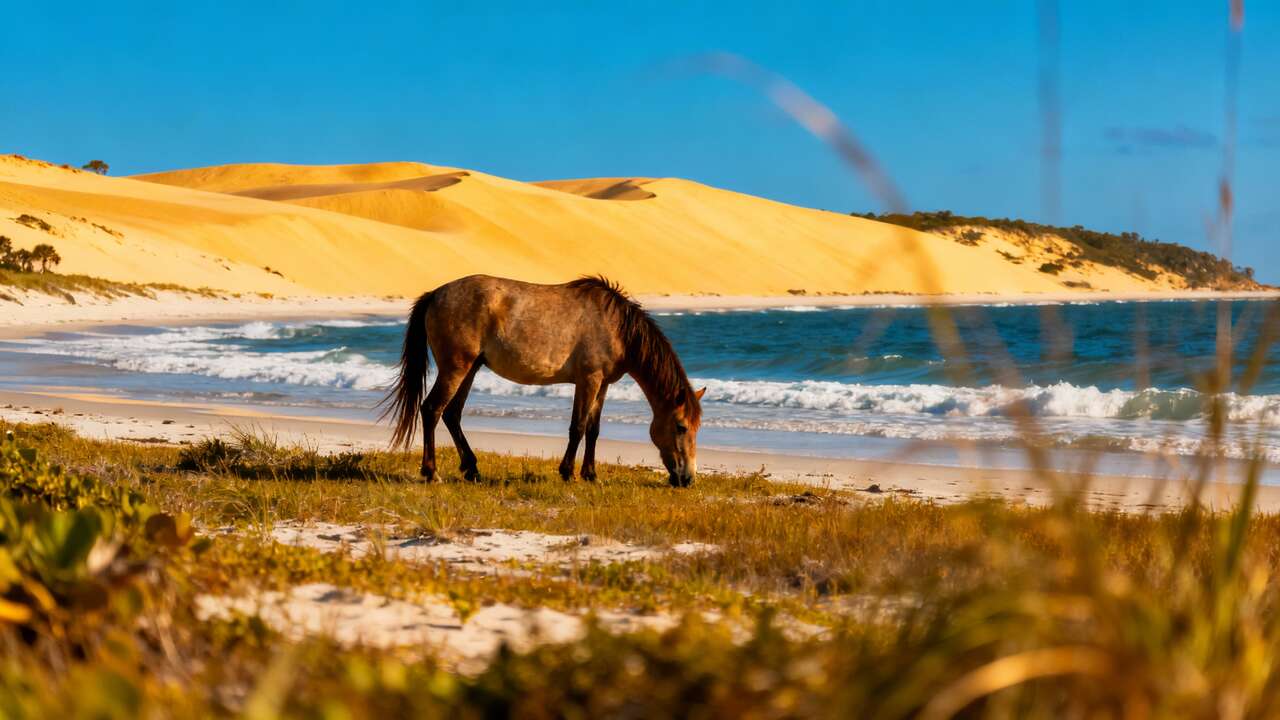

Off the coast of Georgia lies a barrier island where wild horses roam pristine beaches and maritime forests stand largely untouched by time. Known as the “Galapagos of North America, ” Cumberland Island offers a rare glimpse into a coastal wilderness that has been meticulously preserved. This designation is not just a catchy phrase; it reflects a profound ecological richness and a sanctuary for diverse species, all set against a backdrop of deep and complex American history. The island is a living museum, a place where the narratives of nature and humanity are intertwined in the rustling saw palmettos and the ruins of a bygone era.
Discovering Cumberland Island
A Tapestry of Ecosystems
Stretching over 36, 000 acres, Cumberland Island is Georgia’s largest and most magnificent barrier island. Its geography is a dynamic mosaic of distinct environments, each supporting a complex web of life. The landscape is not monolithic but rather a collection of interconnected habitats that create its unique character. Visitors can traverse multiple ecosystems in a single day, from the sun-drenched coastline to the shaded, ancient interior. This variety is the foundation of the island’s incredible biodiversity.
The primary ecosystems found on the island include:
- Pristine Beaches and Dunes: a critical nesting ground for sea turtles and shorebirds.
- Salt Marshes: over 9, 000 acres of tidal wetlands that serve as a nursery for countless marine species.
- Maritime Forests: dominated by majestic live oaks draped in Spanish moss, providing a dense canopy for island wildlife.
- Freshwater Wetlands: inland sloughs and ponds that offer a vital water source for alligators, wading birds, and other animals.
A National Seashore Designation
In 1972, recognizing the island’s unparalleled natural and historical value, Congress designated Cumberland Island as a National Seashore. This act was a pivotal moment, placing the majority of the island under federal protection and shielding it from the large-scale development that has transformed so many other coastal areas. The designation ensures that its wild character is maintained, prioritizing conservation above commercialization. It is a commitment to preserving not just the land itself, but the sense of solitude and discovery that it offers to all who visit.
This protected status has allowed the island’s delicate balance to flourish, making it a premier destination for ecologists, historians, and nature lovers. The management of the island focuses on minimal human impact, preserving the very wilderness that makes it so extraordinary. Understanding this protected status is key to appreciating the island’s story, a narrative that is deeply rooted in the efforts to save it.
History and Preservation of the Island
From Indigenous Lands to Gilded Age Estates
The human story of Cumberland Island is as layered and ancient as its maritime forests. Archaeological evidence suggests human presence dating back at least 4, 000 years, beginning with the Timucuan people. The arrival of Spanish missionaries in the 1500s marked the beginning of a long period of European colonial influence, with England, france, and Spain vying for control until the Treaty of Paris in 1763 officially ceded the territory to the British. During the 19th century, the island was transformed by large plantations cultivating crops like cotton and citrus. After the Civil War, the island entered a new phase, becoming a secluded winter retreat for one of America’s wealthiest families. They constructed lavish mansions, the most famous of which, Dungeness, now stands in picturesque ruins after a fire.
A Legacy of Conservation
The transition from private estate to public treasure was a deliberate and crucial step in the island’s history. The establishment of the National Seashore was the culmination of efforts by conservationists who saw the urgent need to protect this unique environment. Today, approximately 75% of the island remains in its natural state, a testament to the success of these ongoing preservation initiatives. These efforts protect not only the ecological habitats but also the significant historical sites, such as the Dungeness Ruins and the First African Baptist Church, a simple one-room structure established in 1893. This dual focus on preserving both nature and history is what defines the modern identity of Cumberland Island.
While the island’s past is rich with stories of industry and opulence, its future is firmly rooted in conservation. This commitment to preservation shapes every aspect of the visitor experience, from limited access to the guiding principle of “leave no trace.” The island’s history now informs its present, reminding us of the delicate relationship between human activity and the natural world.
Exceptional Wildlife and Flora
The Iconic Feral Horses
Perhaps the most famous residents of Cumberland Island are its feral horses. These animals, numbering over 100, roam freely across beaches, marshes, and forests, creating a truly unforgettable sight. While their exact origin is debated, they are believed to be descendants of horses left by Spanish explorers centuries ago. They are a powerful symbol of the island’s untamed spirit, living without human intervention. Observing them grazing peacefully on the dunes or galloping along the shoreline is a highlight for many visitors, but it’s important to remember they are wild animals and should be given respectful distance. Their presence contributes significantly to the island’s reputation as a place apart from the modern world.
A Sanctuary of Biodiversity
Beyond the horses, Cumberland Island is a haven for an astonishing array of life, earning its “Galapagos of North America” nickname. The island’s diverse habitats support a rich tapestry of flora and fauna. Its undeveloped coastline is one of the most important nesting sites for endangered loggerhead sea turtles on the Atlantic coast. Birdwatchers are drawn by the more than 300 recorded species, from painted buntings in the forest canopy to American oystercatchers along the shore. The island’s biological statistics underscore its ecological importance.
| Category | Approximate Number of Species |
|---|---|
| Plant Species | Over 500 |
| Bird Species | Around 300 |
| Mammal Species | Dozens, including white-tailed deer and armadillos |
| Reptiles and Amphibians | Numerous, including American alligators |
The protection of these species and their habitats is the central mission of the National Park Service on the island, ensuring that this incredible biodiversity continues to thrive. This rich biological landscape provides endless opportunities for wildlife observation and a deeper connection with the natural world.
Outdoor Activities and Recreation
Exploring on Foot and by Bike
Cumberland Island is a paradise for those who prefer to explore at their own pace. With over 50 miles of hiking trails and unpaved roads, the island invites immersion in its varied landscapes. Trails wind through ancient maritime forests, across open grasslands, and alongside serene marshes. Hiking is the primary way to experience the island’s interior and discover its hidden gems, from historic cemeteries to secluded ponds. For a slightly faster pace, renting a bicycle is an excellent option. The main road, Grand Avenue, offers a relatively flat and shaded route to access key sites like the Dungeness Ruins in the south and the First African Baptist Church near the northern settlement. Both hiking and biking offer an intimate way to connect with the peaceful and undeveloped environment.
Guided Tours and Coastal Activities
For visitors seeking a more structured experience or wanting to cover more ground, the island offers guided van tours. These tours, led by knowledgeable guides, provide historical context and ecological insights that might otherwise be missed. They are particularly useful for reaching the far northern end of the island, which is difficult to access on a day trip by foot or bike. Beyond land-based exploration, the island’s 17 miles of undeveloped beach offer ample opportunities for beachcombing, birdwatching, and photography. The shoreline is often deserted, providing a profound sense of solitude and a chance to find unique shells and observe shorebirds in their natural habitat. Fishing is also a popular activity, with opportunities in both the surf and the back marshes.
Whether embarking on a rugged backcountry camping trip or simply spending a day wandering the beaches and trails, the island’s recreational offerings are designed to foster a deep appreciation for its natural beauty. The range of options allows visitors to tailor their adventure to their own interests and fitness levels.
Accessibility and Practical Tips
Reaching the Island
Access to Cumberland Island is intentionally limited to preserve its tranquility and minimize environmental impact. The only way for the public to reach the island is via a passenger ferry that departs from the mainland town of St. Marys, georgia. Reservations for the ferry are highly recommended, and often essential, as the number of daily visitors is capped. The ferry ride itself is a scenic 45-minute journey that provides a gradual transition from the mainland to the wild shores of the island. It is crucial for visitors to check the ferry schedule carefully, as it varies by season, and to be aware of the departure times for the return trip. No vehicles are transported on the ferry, reinforcing the island’s pedestrian-focused nature.
Preparing for Your Visit
A trip to Cumberland Island requires careful planning, as there are no shops, restaurants, or paved roads. Visitors must be self-sufficient and pack in everything they will need for the day, including:
- Sufficient Water: there are limited locations for refilling water bottles, so bringing plenty is critical, especially in warmer months.
- Food and Snacks: all food must be brought onto the island.
- Sun Protection: a hat, sunscreen, and sunglasses are essential for protection on the exposed beaches.
- Insect Repellent: biting insects can be prevalent, particularly in the forests and marshes.
- Sturdy Footwear: comfortable shoes are a must for walking on sandy trails and roads.
Furthermore, all visitors must practice “leave no trace” principles, meaning everything packed in must be packed out, including all trash. This ethos is fundamental to the island’s preservation. Being prepared ensures a safe and enjoyable experience while helping to protect the fragile environment.
Understanding these logistics is the first step in planning a successful trip, allowing visitors to fully immerse themselves in the island’s unique atmosphere without the distractions of the modern world.
The Impact of Tourism on the Island
A Delicate Balance
Managing tourism on an ecologically sensitive and historically significant site like Cumberland Island is a constant balancing act. The roughly 60, 000 people who visit annually provide crucial funding for conservation programs and help raise awareness about the importance of protecting wild spaces. However, this human presence also brings challenges. Foot traffic can erode trails, wildlife can be disturbed, and the introduction of litter, despite strict pack-it-in, pack-it-out policies, remains a concern. The National Park Service works diligently to mitigate these impacts through visitor caps, educational programs, and strict regulations. The goal is to allow for public enjoyment while ensuring that the very qualities that attract people are not degraded by their presence.
Future Challenges and Conservation
Cumberland Island faces ongoing and future challenges that extend beyond daily visitor management. Natural disasters, such as hurricanes, have caused significant damage to docks and infrastructure, sometimes limiting accessibility for extended periods. These events are a stark reminder of the dynamic and sometimes destructive power of nature in a coastal environment. Additionally, the existence of private landholdings on the island creates complex discussions about development versus preservation. The ongoing dialogue between landowners, conservation groups, and the government highlights the perpetual effort required to uphold the island’s protected status. Navigating these issues is critical to ensuring that Cumberland Island remains a sanctuary for wildlife and a treasure for future generations.
The island’s story is one of continuous stewardship, a commitment to protecting its unique heritage against the pressures of the modern world. This careful management is what allows it to retain its wild and timeless character.
Cumberland Island stands as a powerful testament to the value of preservation. It is a place where the wild echoes of the past are still audible, from the hoofbeats of feral horses on the beach to the rustle of wind through ancient live oaks. The island offers a rare convergence of untouched ecosystems, rich biodiversity, and a deep, layered human history. This unique combination of untamed nature and historical resonance makes it not just a destination, but an immersive experience that underscores the profound importance of protecting our natural and cultural heritage.

- The 5 most affordable ski resorts in North America for the 2025 season - 13 November 2025
- Far Less Crowded Than the Grand Canyon, This Utah Park Offers Views Just as Spectacular This Fall - 13 November 2025
- This California Town Has a Unique Danish Village Vibe You Won’t Find Anywhere Else - 12 November 2025
Pubblicazioni simili :
 Forget the Keys: This Laid-Back Florida Island Is the Real Undiscovered Paradise This Autumn
 This Small New York Town Is Arguably the Spookiest, Most Perfect Autumn Destination in America
 We Found the Absolute Best Apple Cider Donuts in America at This New England Farm
 This North Carolina Resort Is a Gilded Age Castle Turned Into a Luxury Hotel