
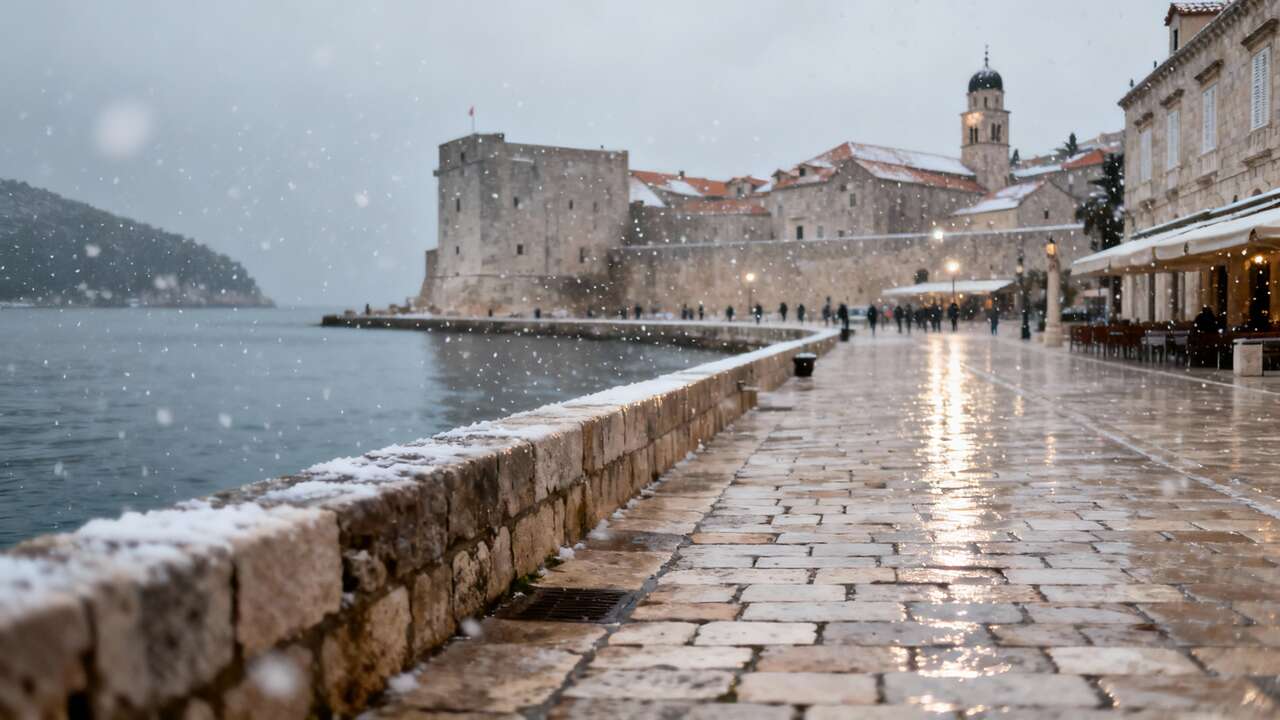

Imagine wandering through ancient stone streets, the crisp sea air on your face, with the echo of your own footsteps as the only sound. This is not a fantasy but the reality of Dubrovnik in winter. Long hailed as the “Pearl of the Adriatic”, the city sheds its summer crowds, revealing a more authentic, tranquil, and surprisingly affordable character. For the discerning traveler, the off-season offers a unique opportunity to connect with this historic fortress city on an entirely different level, far from the tourist throngs that define its summer identity.
Exploring Dubrovnik in winter: a less crowded gem
The end of overtourism
The phenomenon of overtourism has, in recent years, threatened the very charm of destinations like Dubrovnik. During peak season, the main thoroughfare, the Stradun, becomes a river of people, and navigating the narrow alleyways is a challenge. Winter, however, brings a welcome respite. You can explore the UNESCO World Heritage site of the old town at your own pace, pausing to admire the intricate details of a fountain or the facade of a centuries-old church without being jostled. This quietude allows for a genuinely immersive experience, where the city’s history feels palpable.
A different perspective on the old town
Without the summer crowds, the architectural grandeur of Dubrovnik takes center stage. The polished limestone streets gleam under the winter sun or rain, reflecting the elegant Gothic, Renaissance, and Baroque buildings. It is the perfect time to engage with locals, who are often more relaxed and willing to share stories outside the frantic tourist season. This provides a cultural richness that is simply unavailable in July or August. You are no longer just a tourist; you are a temporary resident, experiencing the city as it is lived. The absence of queues at major attractions like the Rector’s Palace or the Franciscan Monastery means more time for exploration and less time waiting.
This newfound serenity transforms the city from a bustling attraction into a peaceful sanctuary, setting the stage for discovering its unique seasonal charms.
The winter charms of Dubrovnik
The magic of the winter light
The Mediterranean winter light has a special quality. The sun sits lower in the sky, casting long shadows and bathing the stone walls in a soft, golden hue. This light is a photographer’s dream, highlighting the textures of the ancient city and the deep blue of the Adriatic Sea. Sunrises and sunsets are often spectacular, painting the sky with vibrant colors that stand in stark contrast to the pale stone. The air is crisp and clean, making a walk along the harbor or a coffee at an outdoor café a truly invigorating experience.
A festive atmosphere
Winter in Dubrovnik is far from dormant. The city comes alive with the Dubrovnik Winter Festival, an event that runs from late November through early January. The celebration includes:
- Christmas markets lining the Stradun, offering local crafts, mulled wine, and traditional sweets like prikle (doughnuts).
- An outdoor ice-skating rink that brings a touch of classic winter magic to the Mediterranean setting.
- Concerts and cultural performances held in historic venues throughout the old town.
- A spectacular open-air New Year’s Eve celebration, which is one of the most famous in Croatia.
This festive spirit provides a warm and welcoming atmosphere that beautifully complements the city’s historic backdrop.
Mild Mediterranean climate
While it is not a beach holiday destination in winter, Dubrovnik enjoys a mild climate compared to much of Europe. Snow is extremely rare, and daytime temperatures are often pleasant enough for sightseeing without heavy winter gear. This makes it an ideal escape from colder, harsher climates.
| City | Average High Temperature | Average Rainy Days per Month |
|---|---|---|
| Dubrovnik, Croatia | 12°C (54°F) | 11 |
| Paris, France | 8°C (46°F) | 10 |
| London, UK | 8°C (46°F) | 11 |
| Berlin, Germany | 3°C (37°F) | 10 |
With a pleasant climate and a host of unique seasonal events, the question becomes what specific activities one should prioritize during a low-season visit.
Must-do activities in Dubrovnik during the low season
Walk the city walls
Walking the ancient city walls is arguably Dubrovnik’s most iconic experience. In winter, this activity is transformed. You are free from the scorching summer sun and the suffocating crowds, allowing you to take your time and absorb the breathtaking 360-degree views of the old town’s terracotta roofs and the vast Adriatic. The reduced number of visitors means you can capture perfect photographs without anyone wandering into your frame. The two-kilometer circuit offers a constantly shifting perspective on the city’s layout and its relationship with the sea.
Explore museums and galleries
The off-season is the ideal time for cultural immersion. Dubrovnik’s museums and galleries are open and blissfully uncrowded. You can linger over artifacts and artworks, delving deep into the rich history of the former Republic of Ragusa. Key institutions to visit include:
- The Rector’s Palace: A stunning Gothic-Renaissance building that houses the Cultural History Museum.
- The Maritime Museum: Located in St. John’s Fortress, it details the city’s powerful naval history.
- The Franciscan Monastery: Home to one of the oldest pharmacies in Europe, still in operation since 1317.
- War Photo Limited: A poignant and powerful gallery showcasing conflict photography from around the world.
Ride the cable car to Mount Srđ
For the most spectacular panoramic view of Dubrovnik and the surrounding islands, a trip up Mount Srđ is essential. The cable car whisks you to the summit in minutes. The crisp winter air often provides exceptional visibility, making the view even more dramatic. At the top, you can visit the Imperial Fortress, which houses a museum dedicated to the 1990s Croatian War of Independence, offering a sobering but important historical context to the city’s resilience.
Such memorable activities are made even more accessible by the significant drop in accommodation costs during this period.
Affordable lodging in Dubrovnik
Significant price drops
The most compelling practical reason to visit Dubrovnik in winter is the cost. Accommodation prices, which can be exorbitant in the summer, plummet during the low season. Hotels and private apartments offer steep discounts to attract visitors, making a stay in or near the old town suddenly very affordable. It is not uncommon to find prices that are 50% or even 70% lower than their summer peak. This allows for a more luxurious stay on a modest budget or a significantly longer trip for the same cost.
| Accommodation Type | Price (July/August) | Price (January/February) |
|---|---|---|
| Private Apartment (Old Town) | $200 – $400 | $60 – $120 |
| 4-Star Hotel (near Old Town) | $350 – $600 | $90 – $180 |
| Luxury 5-Star Hotel | $700+ | $200 – $350 |
Greater availability and choice
Beyond the savings, winter travel means you have your pick of the best places to stay. The most sought-after apartments with stunning sea views or charming hotel rooms within the city walls, which are booked a year in advance for the summer, are often readily available. This flexibility allows for more spontaneous travel planning. You can secure prime accommodation without the stress and intense competition of the high season, ensuring your home base in Dubrovnik is as perfect as the city itself.
With lodging secured at a fraction of the summer cost, visitors can more freely indulge in the region’s rich culinary offerings.
Local gastronomy in winter: where and what to eat
Hearty Dalmatian cuisine
Winter is the season for robust, comforting Dalmatian food. While summer menus focus on light, grilled fish and salads, winter brings out the heartier side of Croatian cuisine. It is the perfect time to try traditional dishes that have been perfected over centuries. Look for restaurants serving:
- Peka: Meat or octopus slow-cooked with vegetables under a bell-like lid covered in embers. A true Dalmatian specialty.
- Pašticada: A slow-braised beef dish, marinated for hours in wine and herbs and typically served with gnocchi.
- Green Menestra: A smoky, rich cabbage and meat stew that is a traditional winter staple in the Dubrovnik region.
- Fresh oysters from Ston: The nearby town of Ston is famous for its oysters, which are said to be at their best in the colder months.
Cozy konobas and restaurants
The dining experience in winter is more intimate and authentic. You will find yourself dining in cozy, family-run taverns known as konobas, often alongside locals rather than other tourists. The service is more personal, and chefs have more time to dedicate to their craft. It is an opportunity to savor the local wine, like the powerful red Plavac Mali, and enjoy long, leisurely meals in a warm and inviting atmosphere. This is where you find the true flavor of Dubrovnik, away from the tourist-trap eateries of the summer.
The tranquility and accessibility of the season also make it the perfect time to explore the beautiful areas surrounding the city itself.
Excursions and getaways around Dubrovnik in winter
Day trip to Cavtat
Just a short bus or car ride from Dubrovnik, the charming coastal town of Cavtat is a perfect winter day trip. Its picturesque harbor, lined with palm trees and cafés, is even more peaceful in the off-season. You can enjoy a quiet stroll along the waterfront, explore the town’s historic center, and visit the Račić Mausoleum, a masterpiece by the famed Croatian sculptor Ivan Meštrović. Without the summer yachting crowds, Cavtat feels like a hidden gem.
Exploring the Konavle valley
Inland from Dubrovnik lies the lush Konavle valley, the city’s historic breadbasket. In winter, the landscape is a vibrant green. This is an ideal area for hiking, cycling, or simply taking a scenic drive. The valley is dotted with traditional stone villages and agritourism restaurants (agroturizam) where you can sample homemade wine, olive oil, and cured meats. A visit here offers a wonderful glimpse into the rural traditions that have sustained Dubrovnik for centuries. It’s an escape into a completely different, pastoral world just minutes from the coast.
A quiet visit to Ston
The town of Ston, located on the Pelješac peninsula about an hour’s drive from Dubrovnik, is famous for two things: its incredible medieval walls, which are the second-longest in the world after the Great Wall of China, and its world-class oysters. In winter, you can walk the impressive walls without encountering another soul. Afterward, you can visit a local oyster farm to sample some of the freshest seafood imaginable. While some tourist facilities may have reduced hours, the stunning scenery and historic significance of Ston are present year-round.
Embrace the unique opportunity to experience Dubrovnik not as a fleeting tourist, but as a thoughtful observer. Discover its quiet streets, engage with its authentic culture, and enjoy its beauty at a fraction of the summer cost. The Pearl of the Adriatic awaits its most discerning visitors in the calm and clarity of winter.

- The 5 most affordable ski resorts in North America for the 2025 season - 13 November 2025
- Far Less Crowded Than the Grand Canyon, This Utah Park Offers Views Just as Spectacular This Fall - 13 November 2025
- This California Town Has a Unique Danish Village Vibe You Won’t Find Anywhere Else - 12 November 2025
Pubblicazioni simili :
 This magical Polish city has the most underrated Christmas market in Europe
 Autumn Is the Secret “Shoulder Season” to Visit This Arizona Desert Paradise on a Budget
 This West Virginia Town Is at the Heart of Civil War History and Is Stunning in the Fall
 This Alaskan City Is the “Gateway to the Arctic” and It’s Fascinating to Visit Before Winter