
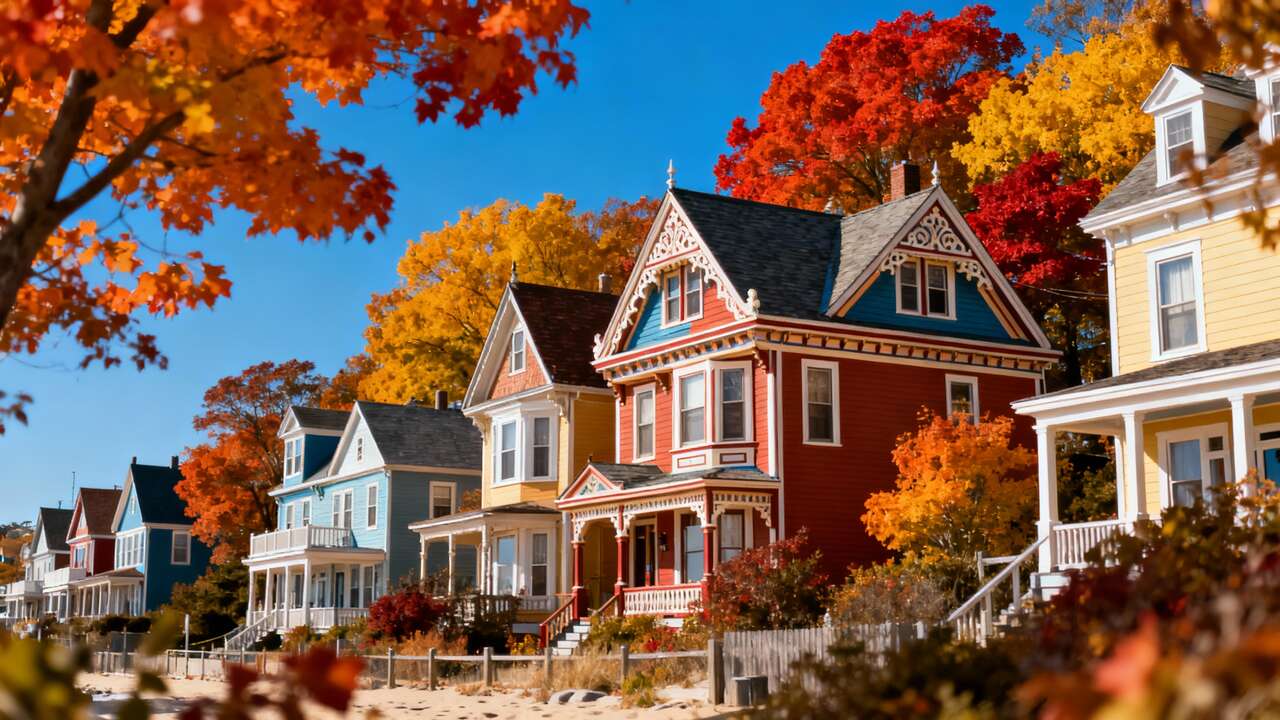

At the southernmost tip of New Jersey, where the Delaware Bay meets the Atlantic Ocean, lies a town seemingly untouched by time. Cape May, with its sea-salt air and gaslit streets, stands as a testament to a bygone era. As the vibrant hues of autumn 2025 begin to paint the landscape, this coastal village offers more than just a seaside escape; it provides a portal to the 19th century, its streets lined with one of the country’s most significant collections of Victorian architecture. The town is not a static museum but a living, breathing community where history and modern leisure converge, creating a uniquely captivating experience for the fall visitor.
Discovering Cape May: a Journey Back in Time
Understanding Cape May requires a look into its layered past, a history that shaped its identity from a modest settlement into a celebrated resort destination. Its story is one of resilience, transformation, and a deep-seated commitment to preserving its heritage.
From Whaling Post to Premier Resort
The area’s history predates its Victorian fame, beginning with the Lenape people. European presence was established in the early 17th century, with the arrival of explorers like Henry Hudson and Captain Cornelis Mey, for whom the cape is named. The settlement evolved from a fishing and whaling outpost into a burgeoning resort town by the mid-1800s. Promoted as “America’s First Seaside Resort,” it attracted affluent city dwellers seeking refuge from the summer heat. The defining moment in its architectural history, however, came from disaster. A devastating fire in 1878 swept through the town, destroying 35 acres of the city center. This catastrophe spurred a massive rebuilding effort during the height of the Victorian era, forever cementing the town’s signature architectural style.
The Preservation Movement
By the mid-20th century, many of Cape May’s historic structures faced the threat of demolition in the name of modernization. A dedicated group of residents recognized the town’s unique value and launched a powerful preservation movement in the 1960s. Their tireless efforts led to the designation of the entire town as a National Historic Landmark in 1976. This was a monumental achievement that protected its architectural integrity. In some remarkable cases, entire houses were physically moved to new locations to save them from being razed, a testament to the community’s unwavering dedication to its past. This legacy of preservation is what allows visitors today to experience such an authentic Victorian streetscape.
The result of this history is a stunning visual landscape, where every building tells a story of architectural creativity and historical significance.
The Charms of Victorian Architecture
To walk through Cape May is to be immersed in a world of elaborate design and craftsmanship. The town’s historic district is a dazzling showcase of Victorian styles, from the stately Queen Anne to the whimsical Carpenter Gothic, each home and inn competing for attention with its unique personality and vibrant color palette.
A Living Architectural Museum
The heart of Cape May is its collection of over 600 preserved Victorian buildings. These are not sterile exhibits but are actively used as homes, inns, shops, and restaurants. Visitors can admire the intricate details that define the era: ornate gingerbread trim, sweeping verandas, imposing turrets, and brilliant stained-glass windows. The so-called “Painted Ladies” are particularly famous, a collection of homes painted in three or more contrasting colors to highlight their complex architectural elements. Taking a guided trolley tour or a simple walking tour offers an excellent way to learn about the history and architectural nuances of specific landmark properties, such as the Emlen Physick Estate, a stunning example of the Stick Style.
Defining Victorian Features
The term “Victorian” encompasses a wide range of styles popular during the reign of Queen Victoria (1837-1901). Cape May features a rich diversity of these substyles, each with distinct characteristics.
Common Victorian Architectural Styles in Cape May
| Style | Key Characteristics |
|---|---|
| Queen Anne | Asymmetrical facades, wraparound porches, turrets, and varied wall textures. |
| Gothic Revival | Pointed arches, steep gables, and decorative bargeboards (vergeboards). |
| Italianate | Low-pitched roofs, wide overhanging eaves with decorative brackets, and tall, narrow windows. |
| Stick Style | Exposed timber framing (stickwork) on the exterior to emphasize the underlying structure. |
This rich architectural tapestry provides a stunning backdrop for the seasonal activities that make an autumn visit so memorable.
Autumn Activities in Cape May
With the summer crowds dispersed and a crispness in the air, autumn is an ideal time to explore Cape May. The season brings a host of unique events and natural spectacles that highlight the town’s coastal charm.
Nature’s Seasonal Spectacle
Fall is a particularly active season for wildlife. Cape May is one of the world’s most important migratory hotspots for birds and butterflies. Nature enthusiasts flock to places like Cape May Point State Park and the Higbee Beach Wildlife Management Area to witness this incredible phenomenon. Key activities include:
- Bird Watching: Observe hawks, eagles, and countless species of songbirds as they journey south. The Cape May Bird Observatory offers guided walks and workshops.
- Monarch Butterfly Migration: Witness thousands of monarch butterflies resting in the area during their long migration to Mexico.
- Beach Strolls: Enjoy the serene and often empty beaches for long walks, beachcombing for “Cape May diamonds” (polished quartz pebbles), or simply watching the waves.
Festivals and Cultural Events
The autumn calendar in Cape May is filled with events that celebrate its culture and history. The annual Victorian Weekend, typically held in October, features house tours, lectures, and historical reenactments that bring the town’s past to life. Food and wine festivals also take center stage, showcasing the region’s bountiful harvest and culinary talents. Ghost tours are another popular activity, delving into the town’s many legends and haunted landmarks, adding a spooky and entertaining element to a fall evening.
Exploring the town and its natural surroundings is sure to work up an appetite, leading visitors to discover the rich culinary scene that thrives on local ingredients.
Local Cuisine and Seasonal Specialties
Cape May’s dining scene is as rich and varied as its architecture. Its prime coastal location ensures a steady supply of fresh seafood, while local farms provide the seasonal produce that inspires chefs throughout the autumn months.
The Bounty of the Atlantic
Seafood is the undeniable star of Cape May’s culinary world. Restaurants range from casual harborside shacks to elegant fine-dining establishments. A visit to The Lobster House on Fisherman’s Wharf is a classic Cape May experience, offering diners fresh catches with a view of the commercial fishing fleet. In the fall, the menu often features local specialties like scallops, flounder, and the last of the season’s blue crabs. Many restaurants operate on a “boat-to-table” philosophy, ensuring that the seafood is as fresh as it gets.
Farm-to-Table and Autumn Flavors
Beyond the sea, Cape May is surrounded by fertile farmland. Autumn brings a harvest of pumpkins, apples, cranberries, and root vegetables, which chefs eagerly incorporate into their menus. Several restaurants champion the farm-to-table movement, creating dishes that are both innovative and deeply connected to the region. Visitors can also explore local farm stands and markets to sample fresh-pressed cider, homemade pies, and other seasonal treats. This focus on local sourcing provides a delicious and authentic taste of the Jersey Shore.
After a day of sightseeing and a satisfying meal, finding the right place to stay is essential to completing the immersive Cape May experience.
Seaside Stays and Accommodations
Where you stay in Cape May is part of the adventure. The town offers a wealth of options, from grand historic hotels to intimate bed and breakfasts, many of which are housed in beautifully restored Victorian buildings.
Historic Inns and Bed & Breakfasts
For a truly authentic experience, staying in a Victorian inn or bed & breakfast is a must. These establishments offer a glimpse into 19th-century elegance, often furnished with period antiques and offering personalized hospitality. Waking up in a four-poster bed and enjoying a gourmet breakfast on a sun-drenched porch is a quintessential Cape May experience. Many B&Bs are located within the historic district, putting guests within easy walking distance of the beach, shops, and restaurants. It is an opportunity to live within the history, not just observe it.
Modern Comforts and Oceanfront Views
For those who prefer more contemporary amenities, Cape May also has a selection of modern hotels and resorts. Many are situated directly on the oceanfront, offering spectacular views and direct beach access. These larger properties often feature amenities such as swimming pools, spas, and on-site restaurants, providing a different kind of luxury. Rental homes and condos are also widely available, offering flexibility for families and larger groups seeking a home-away-from-home experience.
This blend of lodging options contributes to the town’s unique cultural fabric, where history is not just preserved but is actively lived and shared.
The Unique Cultural Experience of Cape May
Cape May’s appeal extends beyond its physical beauty. It possesses a distinct cultural identity that blends its historical reverence with a vibrant, contemporary arts and leisure scene. It is a town that invites participation, not just observation.
A Community Steeped in the Arts
The town’s inspiring scenery has long attracted artists and performers. Cape May is home to several professional theater companies, including the award-winning Cape May Stage, which offers a fall season of compelling performances in an intimate setting. The Washington Street Mall, a three-block pedestrian promenade, is the town’s commercial heart, lined with unique boutiques, art galleries, and confectioneries. It is a perfect place for a leisurely stroll, offering a shopping experience far removed from generic chain stores. The town’s commitment to the arts creates a lively atmosphere that complements its tranquil, historic vibe.
An Immersive Historical Environment
Ultimately, the most unique aspect of Cape May is the feeling of being transported to another time. This is not a theme park; it is an authentic community that has chosen to embrace and celebrate its past. Whether it is by taking a horse-drawn carriage ride through the gaslit streets at dusk, touring a meticulously restored historic home, or simply relaxing on the porch of a Victorian inn, visitors are constantly surrounded by the elegance and charm of the 19th century. This immersive quality is what makes a visit so deeply memorable.
Cape May offers a rare combination of architectural splendor, natural beauty, and cultural richness. Its perfectly preserved Victorian streetscapes provide a stunning backdrop for an autumn getaway, while its dynamic community life ensures an experience that is both relaxing and engaging. From the migratory birds filling the fall sky to the intricate details on a gingerbread-trimmed porch, the town is a treasure that continues to enchant all who walk its historic streets.

- The 5 most affordable ski resorts in North America for the 2025 season - 13 November 2025
- Far Less Crowded Than the Grand Canyon, This Utah Park Offers Views Just as Spectacular This Fall - 13 November 2025
- This California Town Has a Unique Danish Village Vibe You Won’t Find Anywhere Else - 12 November 2025
Pubblicazioni simili :
 This North Carolina Mountain Village Is the Number One Artsy Getaway This Autumn
 This Belgian city looks like a chocolate-box village in the snow
 This Small Kentucky Village Is the Undisputed Epicenter of the Bourbon World This Autumn
 This Illinois Village Is a Preserved Time Capsule That Was Once Bigger Than Chicago