
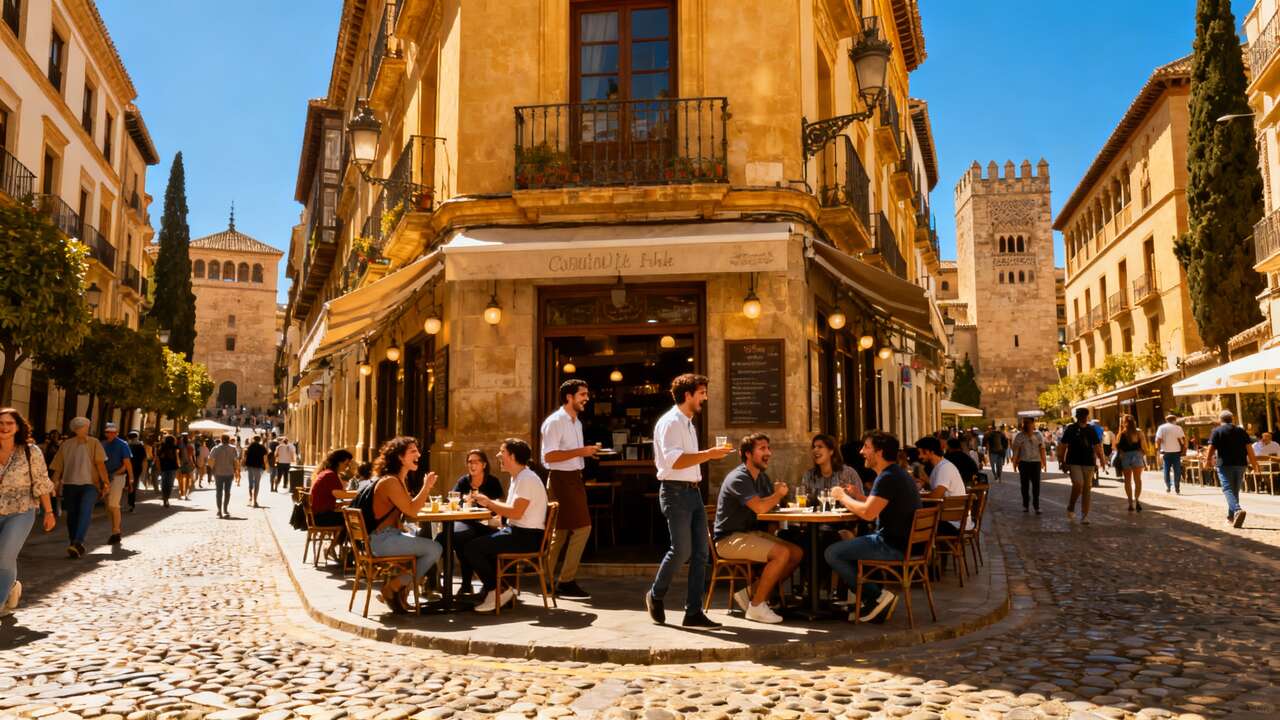

As the search for sun-drenched, wallet-friendly getaways intensifies, spain consistently emerges as a top contender. The country’s southern coast, in particular, offers a compelling combination of mild winter climates and living costs that are significantly lower than those in many other western european nations. For travelers looking to escape the cold without depleting their savings, certain spanish cities present an ideal blend of cultural richness, pleasant weather, and economic accessibility. This analysis delves into the destinations that best exemplify this balance, providing a guide for those seeking warmth on a budget.
Discovering Spain’s sunny and budget-friendly cities
What defines an affordable warm-weather destination ?
The ideal city for a winter escape must meet two primary criteria: consistent warmth and affordability. Warmth is measured not just by daytime highs but also by the number of sunshine hours, creating a pleasant atmosphere for outdoor activities. Affordability, meanwhile, extends beyond cheap flights. It encompasses the daily costs of accommodation, food, public transport, and attractions. A truly budget-friendly city allows visitors to experience its culture fully without the constant financial pressure often found in major tourist capitals. The cities highlighted here excel in both these areas, offering a high quality of life and travel experience for a fraction of the cost.
Why southern Spain is a prime candidate
The regions of Andalusia and Murcia, along with the Valencian community, are geographically positioned to receive some of the best weather in mainland Europe during the winter months. The influence of the Mediterranean sea and proximity to the african continent create microclimates that keep temperatures mild. Economically, these regions have historically had a lower cost of living compared to the industrial and political centers of Madrid and Catalonia. This translates into more accessible prices for travelers, from a tapa and a drink for a few euros to reasonably priced museum entries. The combination makes southern Spain a powerful magnet for savvy travelers.
Comparative daily budget estimate (excluding accommodation)
| City | Estimated daily cost (per person) | Average winter temperature (daytime) |
|---|---|---|
| Seville | €50 – €70 | 17°C / 63°F |
| Valencia | €45 – €65 | 16°C / 61°F |
| Malaga | €45 – €65 | 17°C / 63°F |
| Murcia | €40 – €60 | 18°C / 64°F |
These figures demonstrate the financial viability of a trip to these sun-soaked locations. With a clear understanding of what makes this region so appealing, we can explore the specific charms of its most inviting cities.
Seville: warmth and heritage on a budget
The heart of Andalusia
Seville is the capital of Andalusia and a city where history is palpable on every street corner. It is a place of flamenco, historic palaces, and sprawling plazas. Despite its status as a major tourist destination, it has managed to retain a level of affordability that is surprising. The city’s main attractions, such as the Cathedral of Seville, the Giralda tower, and the Alcázar palace, are architectural marvels. While these sites have entry fees, many of the city’s greatest pleasures are free: strolling through the Santa Cruz quarter, relaxing in the Parque de María Luisa, or simply admiring the Plaza de España.
Experiencing Seville without overspending
Enjoying Seville on a budget is not only possible but also authentic. The city’s tapas culture is key. A visitor can have a fulfilling meal by moving from one bar to another, sampling small dishes that often come free with a drink. To save on accommodation, consider staying in neighborhoods just outside the historic center, like Triana or Macarena, which offer a local feel and better prices. Furthermore, Seville’s public transportation is efficient, but the city is eminently walkable, which is the best way to discover its hidden gems and save money. Look for free museum entry times, which many institutions offer on certain days or hours.
- Visit the Plaza de España at sunset for a spectacular and free experience.
- Explore the Triana market for affordable local produce and food stalls.
- Walk along the Guadalquivir river for beautiful views of the city.
- Check for free entry hours at the Alcázar on mondays.
The vibrant culture and historical weight of Seville make it an essential stop. From its ancient streets, we can journey eastward toward the coast to find a city that blends history with a distinctly modern and relaxed beach atmosphere.
Valencia: between beaches and economy
A city of futuristic architecture and golden sands
Valencia, Spain’s third-largest city, offers a unique mix of attractions. It is home to the stunning City of Arts and Sciences, a futuristic architectural complex that has become an icon of the city. Yet, just a short bus ride away, you’ll find wide, sandy beaches like Malvarrosa, where you can enjoy the mediterranean sun even in winter. The city also boasts the Turia Gardens, a massive park created in a former riverbed that provides a green artery for walking, cycling, and relaxing. This blend of cultural landmarks, natural spaces, and beach life makes Valencia incredibly versatile.
Eating and sleeping well in Valencia
Valencia is renowned as the birthplace of paella, and enjoying this iconic dish here is a must. However, the city’s culinary scene is much broader and, importantly, very affordable. The central market (Mercado Central) is a feast for the senses and a great place to find high-quality local products and cheap eats. For accommodation, neighborhoods like Ruzafa offer a trendy, bohemian vibe with plenty of budget-friendly guesthouses and apartments, while staying near the beach is also a viable option. Valencia’s cost of living is noticeably lower than that of Barcelona or Madrid, particularly when it comes to dining out and daily expenses, making it a perfect destination for an extended stay.
- Try the authentic paella valenciana, made with chicken and rabbit.
- Sample horchata, a refreshing sweet drink made from tiger nuts.
- Rent a bike to explore the nine kilometers of the Turia Gardens.
- Visit the Mercado Central for a vibrant and affordable culinary experience.
Valencia’s appeal lies in its balance of urban energy and coastal relaxation. Continuing south along the coast, another city offers a similar blend, but with a deep artistic legacy and its own unique Andalusian charm.
Malaga: affordable sun and culture
From Picasso to the playa
Malaga has undergone a remarkable transformation over the past two decades. Once seen primarily as a gateway to the resorts of the Costa del Sol, it has emerged as a vibrant cultural center in its own right. As the birthplace of Pablo Picasso, the city proudly hosts the Museo Picasso Málaga, which houses an extensive collection of his works. Beyond Picasso, the city is home to over 30 museums, including the Centre Pompidou Málaga and the Carmen Thyssen Museum. This artistic wealth is complemented by a beautifully restored historic center, a roman theater, and the imposing Alcazaba fortress. And, of course, the city’s beaches, like La Malagueta, are just a short walk from the center.
Navigating the Costa del Sol affordably
Despite its popularity, Malaga remains one of the most affordable cities in Spain. The cost of food and drink is particularly low, with many tapas bars offering exceptional value. The city’s public transport system is excellent, making it easy to explore the surrounding Costa del Sol without a car. Accommodation options are plentiful and varied, from cheap hostels to affordable rental apartments. For those looking to explore beyond the city, the nearby “pueblos blancos” (white villages) like Mijas offer a glimpse into traditional Andalusian life and can be reached cheaply by local bus. Malaga proves that you can enjoy a rich cultural and beach holiday without a hefty price tag.
The city’s climate is one of its main draws, with more than 300 days of sunshine per year. This makes it an ideal year-round destination, but it is especially appealing in winter when much of Europe is cold and grey.
While Malaga is a well-known jewel of the coast, our final destination takes us slightly inland to a region often overlooked by international tourists, offering perhaps the most authentic and budget-friendly experience of all.
Murcia and Cartagena: spain’s winter secret
Murcia: the garden of Spain
The city of Murcia, capital of the eponymous region, is one of Spain’s best-kept secrets. Known as the “huerta de Europa” (the garden of Europe) due to its long agricultural tradition, the region is a major producer of fruits, vegetables, and flowers. The city itself is a lively university town with a beautiful baroque cathedral, a charming old town, and a relaxed atmosphere. The Segura river runs through the city, and its banks are perfect for a leisurely stroll. What truly sets Murcia apart is its authenticity and low cost. Here, you can experience a Spain that is largely untouched by mass tourism, with prices for food, drink, and accommodation that are among the lowest in the country.
Cartagena: a port with 3,000 years of history
Just a short drive from Murcia lies the coastal city of Cartagena. Founded by the Carthaginians around 228 BC, this port city has an incredible depth of history. Its main attraction is a magnificently preserved roman theater, but the city is filled with archaeological sites, modernist architecture, and a bustling port. Like Murcia, Cartagena is very affordable. You can enjoy fresh seafood at waterfront restaurants for a fraction of what you would pay in more famous coastal cities. Together, Murcia and Cartagena offer a compelling two-center holiday: a vibrant inland city and a historic coastal port, both offering exceptional value and a warm winter climate.
- In Murcia, explore the Plaza de las Flores, famous for its many tapas bars.
- Visit the Real Casino de Murcia, an ornate 19th-century social club.
- In Cartagena, do not miss the roman theater and the naval museum.
- Enjoy the beaches of the Calblanque Regional Park, a protected natural area near Cartagena.
These lesser-known destinations provide incredible value. To make the most of a trip to any of these warm and affordable cities, a few general strategies can help stretch your budget even further.
Tips for enjoying Spain without breaking the bank
Transportation hacks
Getting around Spain can be very economical if you plan ahead. For long-distance travel between cities, book train tickets with RENFE or bus tickets with companies like ALSA well in advance for the best prices. Within cities, invest in a multi-trip transport card, which is almost always cheaper than buying single tickets. However, the best way to explore the historic centers of Seville, Malaga, or Valencia is on foot. This not only saves money but also allows for the discovery of hidden alleys and charming squares that you might otherwise miss.
Dining like a local
The single best way to save money on food in Spain is to embrace the “menú del día”. Offered by most restaurants on weekdays for lunch, this is a fixed-price menu that typically includes a starter, a main course, a dessert or coffee, and a drink (including wine or beer) for a very reasonable price, often between €10 and €15. It is the main meal of the day for most spaniards and offers incredible value. For dinner, adopt the tapas culture: a few small dishes can easily make a satisfying and cheap meal. Avoid restaurants in the main tourist squares and instead venture down side streets to find where the locals eat.
Finding affordable accommodation
While hotels can be expensive, Spain has a wide range of budget-friendly accommodation options. “Pensiones” and “hostales” are typically family-run guesthouses that offer simple, clean rooms at a low price. Renting an apartment through platforms like Airbnb or Vrbo can also be very cost-effective, especially for longer stays or for groups, as it allows you to save money by cooking some of your own meals. As a general rule: book in advance, especially if traveling during a holiday, and consider staying just outside the most central tourist district to find better deals.
Select your destination based on your interests, whether it is the deep history of Seville, the modern vibe of Valencia, the artistic energy of Malaga, or the authentic charm of Murcia. Plan your travel using budget-friendly transport options. Eat smart by taking advantage of the “menú del día” and tapas culture. Choose accommodation that fits your budget, looking beyond traditional hotels. By following this guidance, you can fully enjoy the warmth, culture, and hospitality of Spain’s most affordable sunny cities.

- The 5 most affordable ski resorts in North America for the 2025 season - 13 November 2025
- Far Less Crowded Than the Grand Canyon, This Utah Park Offers Views Just as Spectacular This Fall - 13 November 2025
- This California Town Has a Unique Danish Village Vibe You Won’t Find Anywhere Else - 12 November 2025
Pubblicazioni simili :
 This Remote Desert Town Is the New Marfa, You Need to Visit Before It Becomes Too Mainstream
 Visit This Florida Beach Area Now Before It Becomes as Crowded as Miami
 Autumn Is the Secret “Shoulder Season” to Visit This Arizona Desert Paradise on a Budget
 This Alaskan City Is the “Gateway to the Arctic” and It’s Fascinating to Visit Before Winter