
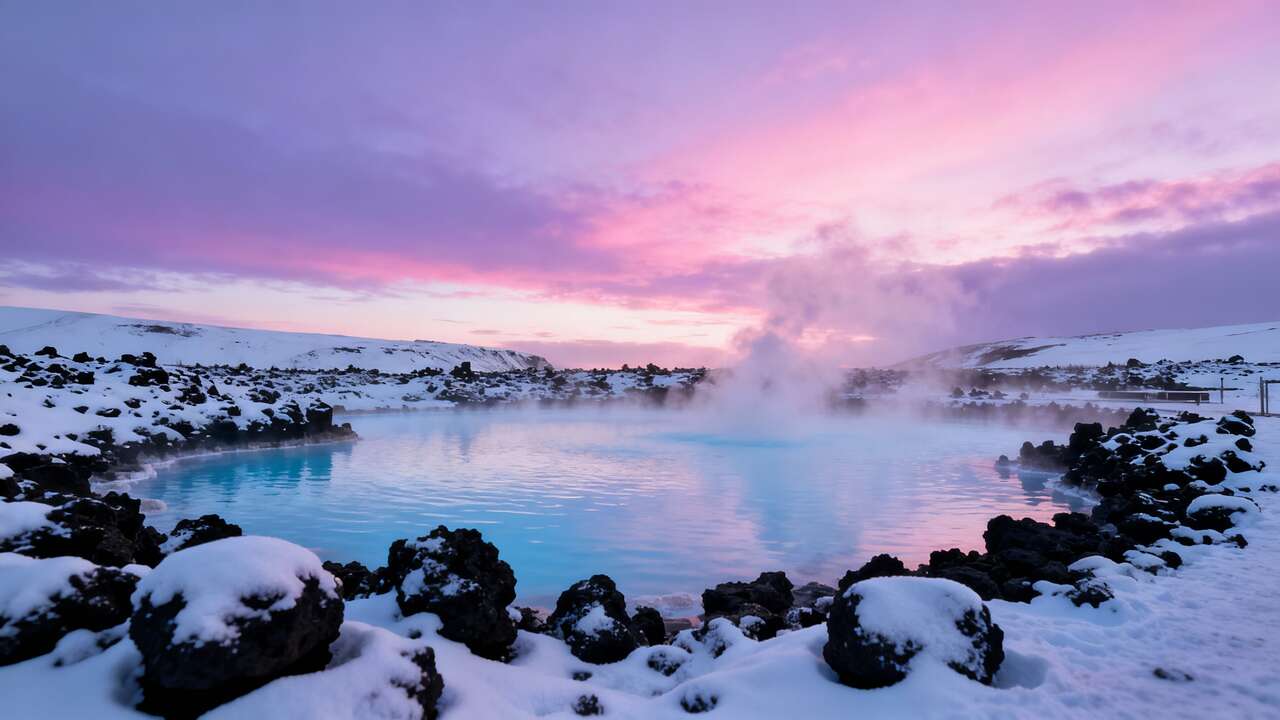

Nestled in a stark volcanic landscape, Iceland’s Blue Lagoon has become a global icon, drawing over a million visitors annually to its milky-blue geothermal waters. While stunning year-round, the spa transforms into an otherworldly sanctuary during the winter months. The vision of steam rising into the frigid air as snow gently falls is more than just a picturesque fantasy; it is a tangible, multi-sensory experience that defines the magic of Iceland in its coldest season. This journey into warmth amidst the ice offers a profound connection to the raw, elemental forces that shape this island nation.
Discovering the Blue Lagoon in winter
A surprising origin
Contrary to what many believe, the Blue Lagoon is not a natural hot spring. It is a man-made marvel, its existence owed to the nearby Svartsengi geothermal power plant. The plant draws superheated water from deep within the earth to generate electricity and hot water for nearby communities. The excess water, a mineral-rich brine, is then channeled into the surrounding lava field, creating the lagoon. This vast reservoir holds approximately 9 million liters of geothermal seawater, which is naturally renewed every 40 hours, ensuring its cleanliness and high concentration of beneficial minerals like silica and sulfur.
The constant comfort of warmth
The primary allure of a winter visit is the stark, beautiful contrast between the elements. While outside air temperatures can plummet well below freezing, the lagoon’s water remains at a consistently balmy 37 to 39 degrees Celsius (98 to 102 degrees Fahrenheit). This consistent warmth makes bathing a deeply comforting and almost surreal experience, especially when snowflakes melt on contact with the water’s surface. It’s a unique environment where you can enjoy a local smoothie from the in-water bar while embracing the crisp winter air.
Modern convenience in a natural setting
Despite its rugged surroundings, the Blue Lagoon is a state-of-the-art facility. Upon entry, each visitor receives a waterproof electronic wristband. This device acts as the key to your personal locker and as a digital wallet for any purchases made inside the complex, from drinks at the bar to algae masks. This system allows for a carefree experience, letting you immerse yourself fully without worrying about carrying cash or cards. The standard entrance fee typically includes access to the lagoon, a towel, a silica mud mask, and one drink of your choice.
Understanding the fundamentals of the lagoon’s operation and amenities sets the stage for appreciating the truly unique atmospheric conditions that a winter visit provides.
Why the Blue Lagoon is magical under the snow
A symphony of the senses
Visiting the Blue Lagoon during a snowstorm is an experience that engages every sense. The feeling of the silky, warm water enveloping your body while icy snowflakes land on your face is an unforgettable contrast. Visually, the scene is breathtaking: thick plumes of steam billow from the turquoise surface, mingling with the falling snow to create a dreamy, ethereal fog that softens the sharp edges of the black lava rock. The quiet hiss of the snow meeting the water and the muffled sounds of other bathers create a uniquely serene soundscape, fostering a deep sense of peace and tranquility.
Prime time for the northern lights
Winter in Iceland means short days and long, dark nights, creating the perfect canvas for one of nature’s most spectacular displays: the aurora borealis. While a sighting is never guaranteed, the chances of witnessing the northern lights dance across the sky are significantly higher from September to April. Floating in the Blue Lagoon’s warm waters, away from the city lights of Reykjavik, while vibrant ribbons of green and purple illuminate the night sky is a bucket-list experience for many travelers. The open expanse above the lagoon offers an unobstructed view, making it a potential front-row seat to the celestial show.
Unparalleled photographic moments
The winter landscape provides a dramatic backdrop for photography. The contrast between the vibrant blue water, the pure white snow, and the dark, moss-covered lava fields is visually stunning. The ever-present steam adds an element of mystery and softness to every shot, creating atmospheric portraits and landscapes that are difficult to replicate anywhere else. Capturing these moments requires some preparation, such as a waterproof phone case, but the resulting images are a powerful reminder of this magical experience.
The enchanting atmosphere is undeniable, but reaching this winter paradise requires some careful planning, especially when dealing with Iceland’s unpredictable weather.
How to get to the Blue Lagoon in winter
Strategic location
The Blue Lagoon is conveniently located on the Reykjanes Peninsula, approximately a 20-minute drive from Keflavik International Airport (KEF) and about a 45-minute drive from the capital, Reykjavik. This makes it an ideal first stop after arriving in Iceland or a final relaxing experience before a flight home. However, winter driving conditions can be challenging, so it’s crucial to be prepared.
Transportation choices
Travelers have several options for reaching the lagoon in winter, each with its own benefits. Renting a car offers the most flexibility, allowing you to travel at your own pace and explore other nearby attractions on the Reykjanes Peninsula. However, it is essential to rent a vehicle equipped for winter, preferably a 4×4 with studded tires, and to constantly check road conditions on official websites like road.is. For those uncomfortable with winter driving, numerous tour companies offer bus transfers directly from Reykjavik or the airport.
- Rental Car: Offers maximum flexibility for scheduling and exploring. Requires confidence in driving in potentially snowy and icy conditions.
- Bus Transfer: A safe and reliable option. Services run frequently throughout the day but operate on a fixed schedule, offering less flexibility.
- Taxi/Private Transfer: The most expensive option, but it provides door-to-door service and convenience.
Booking your transportation, along with your lagoon tickets, well in advance is highly recommended, as slots fill up quickly, especially during peak holiday seasons.
Once you have your transportation and tickets secured, a few key tips can help you make the most of your visit, particularly if you find yourself there during a classic Icelandic storm.
Tips for enjoying the Blue Lagoon during a storm
Come prepared for the elements
A successful visit during a snowstorm is all about preparation. While the water is warm, your head and ears will be exposed to the cold. A warm hat, such as a wool or fleece beanie, is a game-changer for comfort. It is also wise to bring a waterproof pouch for your phone if you plan on taking pictures. The facility provides towels, but bringing a robe or an extra towel for the walk from the changing rooms to the lagoon entrance can make the transition more comfortable.
Protect your hair and skin
The lagoon’s water is rich in silica, which can leave hair feeling stiff, dry, and brittle. To prevent this, it is highly recommended to apply a generous amount of the complimentary conditioner provided in the showers to your hair *before* entering the water and to leave it in. Tying up long hair is also a good idea. For your skin, take advantage of the silica mud mask available at the in-water mask bar. Apply it to your face and body, let it dry for 5-10 minutes, and then rinse it off in the lagoon for soft, exfoliated skin.
Master the entry and exit
The dash from the warm changing rooms to the icy outdoor air can be a shock to the system. To minimize this, you can use the facility’s indoor entrance. There is a small section of the lagoon that begins inside the main building, allowing you to enter the warm water there and then pass through a door to the main outdoor area without ever fully exposing yourself to the cold air. This makes the entire experience much more pleasant, especially on the stormiest days.
After a few hours of blissful soaking, the experience doesn’t have to end, as the surrounding region offers plenty more to see and do.
What to do after your visit to the Blue Lagoon
Explore the Reykjanes Peninsula
The Blue Lagoon is the gateway to the Reykjanes Peninsula, a UNESCO Global Geopark known for its raw, volcanic landscapes. After your soak, consider exploring some of the area’s other wonders. You can visit the Gunnuhver geothermal area to see powerful steam vents and bubbling mud pools, walk across the Bridge Between Continents that spans the Mid-Atlantic Ridge, or explore the dramatic coastline and charming fishing villages like Grindavik. These sites offer a deeper look into the powerful geological forces that define Iceland.
Indulge in geothermal dining
The Blue Lagoon complex itself houses several acclaimed dining options. Lava Restaurant is built into an 800-year-old lava cliff and offers stunning views of the lagoon while you dine on contemporary Icelandic cuisine. For a world-class gastronomic experience, the Michelin-starred Moss Restaurant at the Retreat Hotel offers innovative tasting menus. For a more casual bite, the spa’s café has a selection of light meals, snacks, and refreshments to help you refuel after your time in the water.
With so much to do in the area, finding the right place to stay is key to crafting the perfect Icelandic winter getaway.
Accommodations near the Blue Lagoon
Ultimate on-site luxury
For the most immersive and convenient experience, staying at one of the Blue Lagoon’s on-site hotels is unparalleled. The Silica Hotel offers its own private lagoon for guests, providing a more intimate and serene experience. For the pinnacle of luxury, The Retreat Hotel features lavish suites with direct access to the Retreat Lagoon, a private spa, and the acclaimed Moss Restaurant. Both options provide a seamless, high-end wellness escape.
Convenient nearby options
If staying on-site is not in the budget, there are numerous excellent accommodation choices in the surrounding area. The nearby town of Grindavik has several guesthouses and hotels that offer a glimpse into life in an Icelandic fishing village. Alternatively, the city of Keflavik, near the international airport, has a wide range of hotels to suit various budgets and is only a short drive from the lagoon. Staying in Reykjavik and visiting the Blue Lagoon as a day trip is also an extremely popular and practical choice.
Comparing your options
Choosing where to stay depends on your budget, itinerary, and desired experience. Each location offers a different atmosphere and level of convenience for accessing the Blue Lagoon and other regional attractions.
| Location Type | Price Range | Convenience | Atmosphere |
|---|---|---|---|
| On-Site (Retreat/Silica) | $$$$ | Excellent | Luxury, wellness-focused, exclusive |
| Keflavik | $$-$$$ | Very Good | Urban, convenient for airport, practical |
| Grindavik | $$-$$$ | Good | Quiet, local fishing village charm |
| Reykjavik | $-$$$$ | Good | Vibrant capital city, many options |
A visit to the Blue Lagoon in winter is a journey into the heart of Iceland’s elemental beauty. The profound contrast of soaking in geothermally heated water while surrounded by a landscape of ice and snow is both a therapeutic retreat and a powerful reminder of nature’s wonders. By planning for the unique conditions of the season, from transportation to what to pack, travelers can ensure a comfortable and deeply memorable experience. It is an opportunity not just to see one of Iceland’s most famous landmarks, but to feel its magic in the most dramatic and enchanting way possible.

- The 5 most affordable ski resorts in North America for the 2025 season - 13 November 2025
- Far Less Crowded Than the Grand Canyon, This Utah Park Offers Views Just as Spectacular This Fall - 13 November 2025
- This California Town Has a Unique Danish Village Vibe You Won’t Find Anywhere Else - 12 November 2025
Pubblicazioni simili :
 The Northern Lights are stronger here than anywhere else
 This Utah Town Was Founded by Outlaws and Its Wild West History Is Still Alive
 This Georgia Island Is Called the “Galapagos of North America” for Its Untouched Wildlife
 This West Virginia Town Is at the Heart of Civil War History and Is Stunning in the Fall