
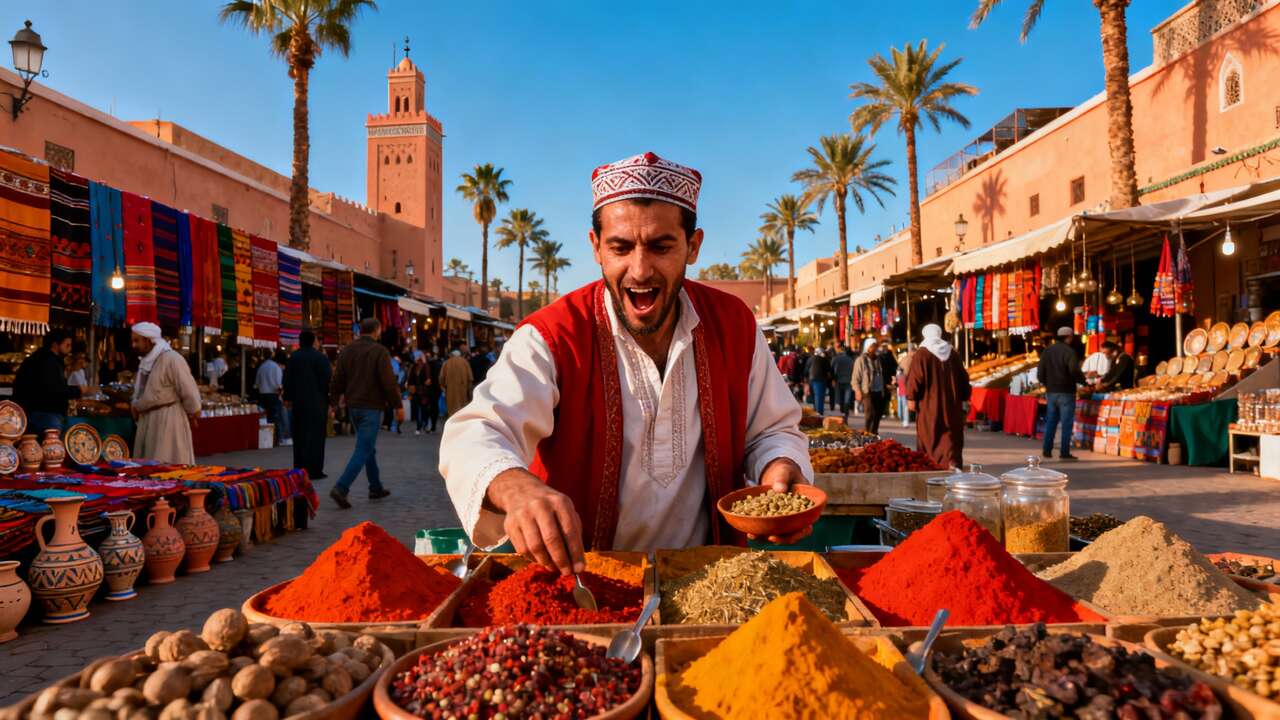

A mere three-hour flight from paris, the city of marrakech offers an immediate and profound sense of escape. Known as the “Red City” for the ochre hue of its ancient walls, it stands as a gateway to a different world, blending centuries of history with a vibrant, modern pulse. This iconic moroccan hub draws more than three million visitors annually, securing its place as one of africa’s premier tourist destinations. Its appeal lies in a unique fusion of exoticism and accessibility, where labyrinthine alleyways filled with the scent of spices open onto serene, hidden courtyards, and the call to prayer echoes over bustling, life-filled squares.
Exploring the Medina of Marrakech
A Labyrinth of History
The medina of marrakech, a designated UNESCO World Heritage site, is the historical heart of the city. Founded in the 11th century, its winding, narrow streets are a living museum, preserving a rich tapestry of berber, andalusian, and arab influences. Walking through this ancient quarter is an immersive experience; every corner reveals a piece of history, from intricately carved doorways to public fountains adorned with zellij tilework. The imposing walls that encircle the old city have protected its treasures for centuries, and passing through one of its monumental gates, or babs, feels like stepping back in time. The architecture itself tells a story of dynasties past, with structures that have stood since the city’s golden age.
The Heartbeat of the City: Jemaa el-Fnaa
At the center of the medina lies the legendary Jemaa el-Fnaa square, a vibrant stage for moroccan culture. By day, the square is a bustling marketplace filled with snake charmers, henna artists, and merchants selling fresh orange juice. As dusk falls, it undergoes a dramatic transformation. Rows of food stalls emerge, filling the air with the aroma of grilled meats and traditional tagines, while circles form around storytellers, gnawa musicians, and acrobats. This open-air theater is more than just a tourist attraction; it is the social and cultural epicenter of marrakech, a place where locals and visitors alike gather to witness the spectacle of daily life. The energy is palpable, offering a sensory overload in the most captivating way.
Architectural Marvels Within the Walls
Beyond the main square, the medina is home to some of the city’s most significant landmarks. Dominating the skyline is the minaret of the Koutoubia Mosque, an emblematic 12th-century structure that serves as a spiritual and architectural beacon for the city. While non-muslims are not permitted to enter the mosque itself, its impressive exterior is a sight to behold. Elsewhere, hidden riads, or traditional moroccan houses with interior courtyards, offer a glimpse into the domestic architecture designed for privacy and tranquility. Many of these have been converted into guesthouses and restaurants, allowing visitors to experience their serene beauty firsthand.
The historical richness of the medina flows seamlessly into the city’s other enchanting features, particularly its peaceful and meticulously designed gardens.
The Secrets of Marrakech’s Exotic Gardens
The Majorelle Garden: An Oasis of Blue
A stunning contrast to the earthy tones of the medina, the Jardin Majorelle is an oasis of vivid color and exotic plant life. Created over several decades by french painter jacques majorelle, this botanical garden is most famous for its intense cobalt blue accents, now known as Majorelle Blue, which adorn the buildings, fountains, and planters. The garden is a carefully curated collection of plants from five continents, including towering bamboo groves, rare cacti, and tranquil lily ponds. Its shaded pathways offer a cool and serene respite from the city’s heat, making it a perfect spot for quiet contemplation and a feast for the eyes.
The Bahia Palace Gardens: A Glimpse into Royalty
The Bahia Palace, built in the late 19th century, was intended to be the greatest palace of its time. Its name means “brilliance,” and its design lives up to the title. The palace is a masterpiece of islamic and moroccan architecture, featuring a series of lush courtyards and gardens that connect its opulent rooms. These gardens are filled with the scents of jasmine and citrus trees, with intricate tilework and soothing fountains creating an atmosphere of regal tranquility. Exploring the Bahia Palace is to wander through the private world of a 19th-century vizier, appreciating the craftsmanship and artistry that define moroccan design.
Other Green Havens
While Jardin Majorelle and the Bahia Palace are the most renowned, marrakech is dotted with other green spaces worth exploring. These include:
- Le Jardin Secret: a recently restored riad garden in the heart of the medina, showcasing traditional islamic garden design.
- The Agdal Gardens: a vast expanse of orchards and olive groves dating back to the 12th century, offering a more rustic and expansive garden experience.
- Menara Gardens: known for its large central basin and pavilion with the atlas mountains as a backdrop, this is a popular spot for locals seeking relaxation.
The beauty of these gardens is matched only by the richness of the city’s culinary offerings, which provide another avenue for cultural immersion.
Relishing Moroccan Cuisine in the Heart of the City
Iconic Dishes to Savor
Moroccan cuisine is a flavorful blend of arab, berber, andalusian, and mediterranean influences. In marrakech, this culinary heritage is on full display. No visit is complete without trying a tagine, a slow-cooked stew named after the conical earthenware pot it is cooked in. Another staple is couscous, traditionally served on fridays with vegetables and meat. For a unique taste of the city, the tanjia is a marrakchi specialty, where meat is slow-cooked for hours in an urn-like pot in the embers of a public furnace. The combination of spices like saffron, cumin, turmeric, and ginger creates a complex and unforgettable flavor profile.
From Street Food to Fine Dining
The culinary landscape of marrakech is incredibly diverse, offering experiences for every palate and budget. The food stalls of Jemaa el-Fnaa provide a lively and authentic taste of street food, from grilled sausages to snail soup. For a more refined experience, many riads house restaurants that serve gourmet moroccan dishes in stunningly beautiful courtyards. These establishments often blend traditional recipes with contemporary culinary techniques, offering a modern twist on classic flavors. Of course, the ritual of drinking mint tea, a symbol of moroccan hospitality, is an essential experience, whether in a simple cafe or an elegant salon.
A Culinary Comparison
To better understand the dining options, here is a simple comparison:
| Dining Experience | Atmosphere | Typical Dishes | Average Price |
|---|---|---|---|
| Street Stall (Jemaa el-Fnaa) | Bustling, communal, chaotic | Grilled meats, tagine, soups, sausages | Very low |
| Traditional Riad | Intimate, quiet, elegant | Multi-course set menus, refined tagines, pastilla | Moderate to high |
| Modern Restaurant | Chic, trendy, international | Fusion cuisine, modern moroccan dishes | High |
This rich culinary journey is complemented by the city’s numerous museums, which offer deep insights into its art and history.
A Cultural Getaway to Must-Visit Museums
Understanding Moroccan Art and History
Marrakech is home to several institutions dedicated to preserving and showcasing morocco’s vast cultural heritage. The Musée de Marrakech, housed in the 19th-century dar menebhi palace, is as much an architectural marvel as it is a museum. Its central courtyard, with a massive brass chandelier, is breathtaking. The museum features a collection of traditional and contemporary moroccan art, including ceramics, textiles, and historical artifacts. Similarly, the dar si said museum, also known as the museum of moroccan arts, offers an extensive look at the country’s craftsmanship, with a focus on woodwork, carpets, and jewelry from different regions.
Contemporary Creative Spaces
The city’s cultural scene is not solely rooted in the past. Marrakech has a burgeoning contemporary art scene, with several museums and galleries showcasing modern african artists. The museum of african contemporary art al maaden (MACAAL) is a prominent example, offering a platform for both established and emerging artists from across the continent. These modern spaces provide a crucial counterpoint to the historical sites, demonstrating that marrakech is a city that continues to evolve creatively. They challenge perceptions and foster a dialogue between tradition and modernity.
Photography and Visual Arts
For those interested in the visual history of the region, the Maison de la Photographie is a must-visit. Located in a beautifully restored riad, this museum houses an extensive collection of photographs taken in morocco between the late 19th and mid-20th centuries. The images provide a fascinating window into the country’s past, documenting its landscapes, people, and traditions. The rooftop terrace offers one of the best panoramic views of the medina and the distant atlas mountains, making it a perfect spot to reflect on the stories told through the photographs.
After absorbing the art and history, a plunge into the vibrant world of the souks offers a different, more interactive form of cultural exploration.
Shopping in the Souks: a Sensory Journey
Navigating the Themed Souks
The souks of marrakech are a dazzling maze of covered markets where commerce has thrived for centuries. They are not a single entity but rather a network of smaller, specialized markets, each dedicated to a particular craft. For instance, Souk Semmarine is the main artery, bustling with shops selling everything from pottery to pastries. Branching off from it, you can find the Souk des Teinturiers (the dyers’ souk), where colorful skeins of wool and silk hang drying in the sun, and the Souk Cherratine, which specializes in leather goods. Exploring these themed sections allows for a more focused and rewarding shopping experience.
Artisanal Crafts and Treasures
The souks are a treasure trove of moroccan craftsmanship, offering an incredible variety of handmade goods. Visitors can find an array of items, including:
- Leather Goods: soft leather bags, belts, and the traditional moroccan slippers known as babouches.
- Metalwork: intricately designed lanterns, mirrors, and silver teapots that showcase the skill of local metalworkers.
- Textiles: handwoven berber carpets, colorful djellabas, and silk scarves in every imaginable hue.
- Spices and Oils: fragrant spices like ras el hanout, saffron, and pure argan oil, a moroccan specialty.
Each item tells a story of tradition and skill passed down through generations, making for meaningful souvenirs and gifts.
The Art of Bargaining
Bargaining is an integral part of the souk experience. It is not a confrontation but a friendly and expected social interaction. The initial price quoted by a vendor is rarely the final price. The key is to approach the process with good humor and respect. A good strategy is to have an idea of what you are willing to pay and start with an offer lower than that. The friendly back-and-forth is part of the fun and often ends with a handshake and a shared cup of mint tea. It is a cultural exchange as much as a commercial transaction.
With so much to see and do, a bit of practical planning can help ensure a smooth and enjoyable trip.
Practical Tips for a Successful Stay in Marrakech
When to Go and What to Pack
The best times to visit marrakech are during the spring (march to may) and autumn (september to november), when the weather is pleasantly warm. Summers can be intensely hot, with temperatures often soaring above 40°C (104°F), making sightseeing challenging during the day. When packing, lightweight and modest clothing is recommended to respect local customs and stay comfortable. Comfortable walking shoes are an absolute necessity for navigating the medina’s uneven streets. Sunscreen, a hat, and sunglasses are essential year-round.
| Season | Average High (°C / °F) | Travel Advice |
|---|---|---|
| Spring (Mar-May) | 25°C / 77°F | Ideal weather, pleasant for exploring. |
| Summer (Jun-Aug) | 38°C+ / 100°F+ | Very hot, plan activities for early morning or late evening. |
| Autumn (Sep-Nov) | 28°C / 82°F | Warm and comfortable, similar to spring. |
| Winter (Dec-Feb) | 19°C / 66°F | Mild days, cool nights. Good for sightseeing. |
Getting Around the City
The medina is best explored on foot, as its narrow alleys are inaccessible to cars. For longer distances, “petit taxis” (small taxis) are readily available. It is advisable to either agree on a fare before starting the journey or insist that the driver uses the meter to avoid overcharging. For a more traditional and scenic experience, horse-drawn carriages, known as calèches, offer leisurely tours around the city ramparts and through neighborhoods like the hivernage. They provide a charming, albeit slower, way to see the sights.
Cultural Etiquette and Safety
Marrakech is a welcoming city, but visitors should be mindful of local customs. It is polite to ask for permission before taking photographs of people, particularly in the souks and Jemaa el-Fnaa. While the city is generally safe, it is wise to be aware of your surroundings in crowded areas to guard against pickpockets. Staying hydrated by drinking plenty of bottled water is crucial, especially during the hotter months. Embracing the local culture with an open and respectful attitude will greatly enhance the travel experience.
Marrakech presents a captivating world of contrasts, where ancient traditions and modern life coexist in a vibrant spectacle. From the historical depths of its medina and the sensory overload of its souks to the serene beauty of its gardens and the rich flavors of its cuisine, the city offers a complete and unforgettable immersion. It is a destination that engages all the senses, leaving visitors with lasting memories of its colors, sounds, and enchanting atmosphere.

- The 5 most affordable ski resorts in North America for the 2025 season - 13 November 2025
- Far Less Crowded Than the Grand Canyon, This Utah Park Offers Views Just as Spectacular This Fall - 13 November 2025
- This California Town Has a Unique Danish Village Vibe You Won’t Find Anywhere Else - 12 November 2025
Pubblicazioni simili :
 It’s Known as “America’s Happiest City” and It’s the Perfect Place for an Autumn Weekend
 This remote Icelandic town is the perfect base for exploring winter magic
 This Arkansas River Is a Hidden Gem With Turquoise Water, Perfect for an Autumn Adventure
 This Small New York Town Is Arguably the Spookiest, Most Perfect Autumn Destination in America