
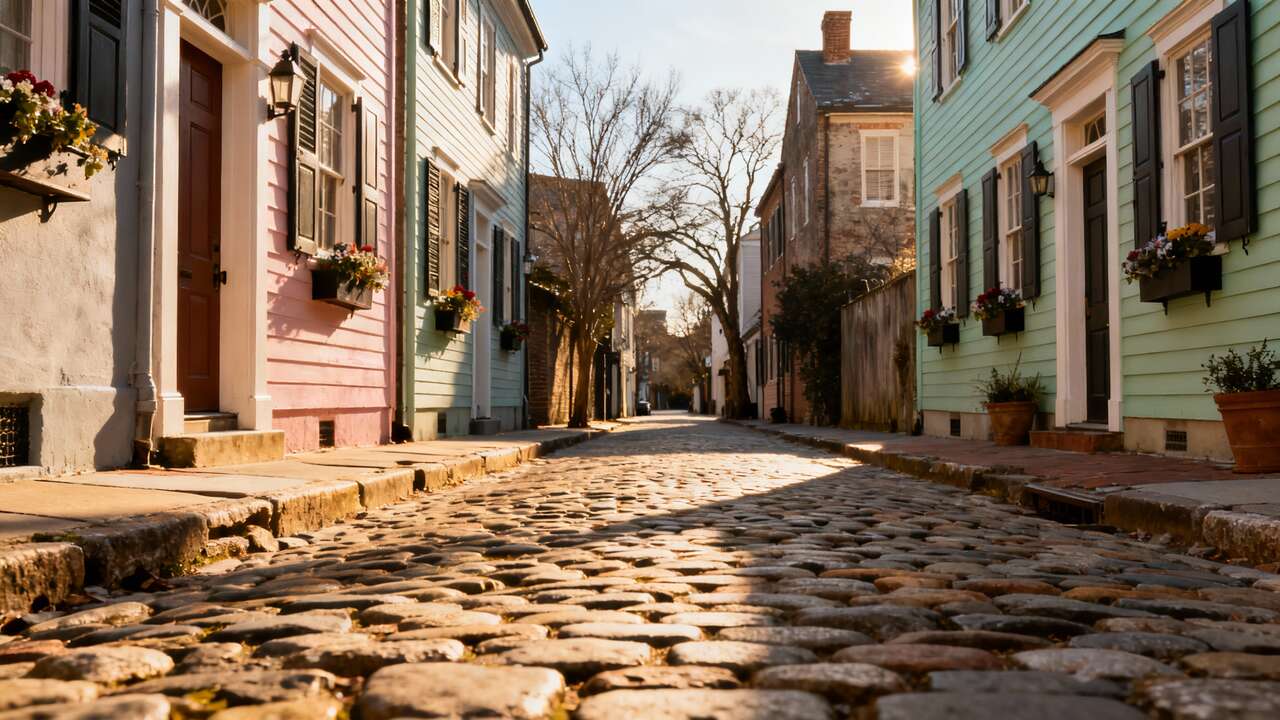

In the quiet heart of winter, when many destinations are either dormant or overcrowded, one city on the American east coast offers a rare combination of historical depth, architectural beauty, and tranquil charm. Charleston, south Carolina, a city woven from the threads of colonial ambition and civil war strife, reveals its truest self in February. The humidity of summer has long since retreated, and the peak-season throngs have yet to arrive, leaving its cobblestone streets and storied avenues open for unhurried exploration. This is a time when visitors can engage with the city on a more intimate level, discovering a place where the past is not just remembered but palpably present in the ironwork of its gates and the whisper of the sea breeze through its palmetto trees.
Discovering the historic charms of Charleston
A city steeped in history
Founded in 1670 as Charles Town, the city’s timeline is a microcosm of American history itself. It was a major center for trade, a focal point during the Revolutionary War, and the site where the first shots of the Civil War were fired at Fort Sumter. This rich, and often complex, past is not confined to museums. It lives in the very fabric of the city, protected by some of the nation’s first and most stringent historic preservation laws. Any building over 75 years old is fiercely protected, ensuring that the city’s character remains unaltered. A walk through its historic district is a journey back in time, where every corner turned reveals another layer of a narrative that has been unfolding for over 350 years.
First impressions and southern hospitality
The initial experience of Charleston is one of sensory immersion. The gentle clip-clop of horse-drawn carriages, the scent of salt marsh and sweet olive, and the sight of gas-lit lanterns flickering to life at dusk create an atmosphere of timeless elegance. Beyond the aesthetics, there is a pervasive sense of southern hospitality that is both genuine and welcoming. Conversations with locals often reveal deep roots, with family histories stretching back generations. This slow-paced, gracious culture invites visitors to linger over a cup of coffee, browse an independent bookstore, or simply sit on a bench in a sun-dappled square. It is a city that rewards a leisurely pace, allowing its subtle charms to unfold gradually.
This pervasive sense of history is most visibly expressed through the city’s remarkable collection of buildings, which stand as monuments to centuries of design and endurance.
The architectural jewels of Charleston
Rainbow Row and iconic streetscapes
Perhaps no image is more synonymous with Charleston than Rainbow Row, a series of thirteen pastel-hued Georgian townhouses along East Bay Street. While it is the most famous example, the city’s architectural splendor extends far beyond this single block. The streets are a living museum of styles, from the pre-revolutionary colonial to the ornate Victorian. A defining feature is the “Charleston single house,” a unique design built one room wide and several rooms deep, with a long, columned porch, or “piazza,” running down the side to catch the prevailing breezes. These piazzas, often adorned with lush flower boxes, create a distinctive and beautiful urban landscape that is both functional and aesthetically pleasing.
Historic homes and preserved landmarks
To truly appreciate the city’s architectural heritage, one must step inside its preserved historic homes. These house museums offer a glimpse into the lives of Charleston’s elite from the 18th and 19th centuries, with period-appropriate furnishings and meticulously restored interiors. The city’s commitment to preservation means that countless structures, from grand mansions on the Battery to modest dwellings in the historic district, have been saved from demolition. Key architectural styles you will encounter include:
- Georgian: Characterized by its symmetry, proportion, and classical details.
- Federal: A more refined and delicate style that emerged after the revolution, often featuring elliptical fanlights and decorative plasterwork.
- Greek Revival: Identified by its imposing columns and temple-like facades, popular in the antebellum period.
- Italianate: Featuring low-pitched roofs, wide eaves with decorative brackets, and tall, narrow windows.
While the grand homes and famous streets are essential viewing, some of the city’s greatest treasures are found by venturing away from the main tourist paths.
Exploring off the beaten path
Beyond the main thoroughfares
The true magic of Charleston often reveals itself in the quiet moments of discovery. Wandering away from the bustling corridors of King Street or Market Street leads to a labyrinth of narrow alleys and hidden passages. These less-traveled ways, some still paved with original cobblestones, are where you will find secluded gardens, private courtyards, and unique boutiques tucked away from view. It is an experience that encourages curiosity, rewarding those who choose to meander without a fixed destination. Here, the city’s atmosphere is at its most potent, free from the noise and distractions of the more commercial areas.
Neighborhoods with unique character
Each of Charleston’s historic neighborhoods has its own distinct personality. South of Broad is known for its grand, antebellum mansions and stunning waterfront views along the Battery. The French Quarter, one of the city’s oldest sections, is an artistic hub with numerous galleries and the historic Dock Street Theatre. Exploring these different districts provides a more complete picture of the city’s diverse history and contemporary culture. A notable attraction for film enthusiasts is the American Theater on King Street, a beautifully restored art deco cinema featured prominently in the film The Notebook, which serves as a landmark of modern culture within the historic landscape.
This exploration of the city’s nooks and crannies invariably works up an appetite, leading naturally to an investigation of its celebrated culinary scene.
Local culinary tasting
From fresh seafood to southern classics
Charleston’s culinary reputation is built on a foundation of fresh, local ingredients and a deep respect for southern cooking traditions. The city’s proximity to the Atlantic means that seafood is a staple, with shrimp and grits being the unofficial dish of the Lowcountry. For a quintessential experience, a visit to a place like Leon’s Oyster Shop is a must. Housed in a former auto body shop, its rustic-chic ambiance is the perfect setting for enjoying freshly shucked oysters, world-class fried chicken, and innovative cocktails like their signature frozen gin and tonic. Dining in its outdoor patio space under the stars provides a relaxed and memorable meal.
Cafés and local markets
The city’s food culture extends to its daytime offerings. Start your morning at a local coffee house like Second State Coffee for a perfectly crafted latte before heading to the Charleston Farmers Market. Held on Saturdays in Marion Square, the market is a vibrant showcase of the region’s bounty. Here you can find everything from homemade pastries and artisanal cheeses to handcrafted goods. It is a fantastic opportunity to taste local flavors and interact with the community that produces them.
A Taste of Charleston’s Culinary Offerings
| Experience | Highlight | Best For |
|---|---|---|
| Casual Seafood Dinner | Freshly shucked oysters, fried chicken | Relaxed evening meal |
| Morning Coffee | Artisanal lattes and espresso | A perfect start to the day |
| Weekend Market | Local produce, baked goods, crafts | Authentic local flavors |
| Classic Southern Fare | Shrimp and grits, she-crab soup | Traditional Lowcountry dining |
With its mild weather, February provides the perfect conditions to enjoy these culinary delights and engage in the many other activities the city has to offer.
Must-do activities in February
Mild weather advantages
February in Charleston is characterized by cool, pleasant weather, with average high temperatures often hovering in the low 60s. This climate is ideal for outdoor activities that can be oppressive in the summer heat. It is the perfect time for a guided walking tour of the historic district, a romantic horse-drawn carriage ride, or a boat trip out to Fort Sumter. The city’s famous gardens, such as those at Middleton Place, are also beginning to show the first signs of spring blooms, offering a beautiful and tranquil experience without the peak-season crowds.
Cultural highlights and attractions
Beyond its historical streetscape, Charleston offers a variety of cultural attractions. Visitors can explore the Gibbes Museum of Art, which features a collection of American art with a focus on Charleston’s history, or attend a performance at the historic Dock Street Theatre. The comparison between visiting in February versus a peak month like April is stark.
Activity Comparison: February vs. Peak Season (April)
| Activity | February Experience | Peak Season Experience |
|---|---|---|
| Historic Home Tour | Small groups, more time with guides | Large crowds, potential wait times |
| Dinner Reservations | Generally easy to secure | Must be booked weeks in advance |
| Carriage Ride | No waiting, private feel | Long lines, crowded carriages |
| Walking the Battery | Peaceful and serene | Bustling with tourists |
This ability to experience the city’s premier attractions without the queues and congestion is perhaps the greatest benefit of an off-season visit.
Enjoying peaceful charm in the off-season
The benefits of fewer crowds
The absence of large crowds in February transforms the experience of visiting Charleston. The streets are more walkable, allowing for leisurely strolls and unobstructed photography of the beautiful architecture. Restaurants that are normally booked solid have availability, providing opportunities for spontaneous dining. Most importantly, the slower pace allows for more meaningful interactions. Shopkeepers have more time to chat, tour guides can offer more personalized insights, and there is a general sense of calm that allows the city’s inherent charm to shine through more brightly.
Cost and availability
An off-season trip can also be more friendly to your budget. Accommodations, from grand historic hotels to boutique inns, often offer more competitive pricing in February. Properties like The Mills House may provide preferred rates for those who book in advance, while unique stays like the luxury apartments at The Iris Charleston are more likely to have availability. This combination of lower costs and greater choice makes a winter getaway both more accessible and more relaxing. It is a chance to enjoy the full measure of Charleston’s luxury and charm without the premium price tag or the stress of peak-season travel.
Charleston in February is an invitation to slow down and savor a city rich with history, beauty, and a welcoming spirit. The quiet streets allow for a deeper connection with its architectural marvels and storied past. From its world-class culinary scene to its unique, walkable neighborhoods, the city offers a complete and enriching travel experience. Choosing to visit during this peaceful off-season window means trading crowds for charm, and rush for relaxation, making it an ideal escape for the discerning traveler.

- The 5 most affordable ski resorts in North America for the 2025 season - 13 November 2025
- Far Less Crowded Than the Grand Canyon, This Utah Park Offers Views Just as Spectacular This Fall - 13 November 2025
- This California Town Has a Unique Danish Village Vibe You Won’t Find Anywhere Else - 12 November 2025
Pubblicazioni simili :
 This ancient Italian city carved from rock is hauntingly beautiful in winter (Matera, Italy)
 The Story of Washington D.C.’s Most Famous Ghost Is Hiding in This Historic House
 This Alaskan City Is the “Gateway to the Arctic” and It’s Fascinating to Visit Before Winter
 Autumn in This New Mexico City Is Filled With Art, Culture, and Crisp Mountain Air