
As travelers search for winter destinations that sidestep the usual crowds and high costs, a Baltic capital is quietly emerging as a front-runner. Riga, the capital of Latvia, offers a compelling blend of festive charm, profound history, and remarkable affordability. While its more famous European counterparts draw the masses, Riga provides an enchanting and serene winter experience, a city where medieval cobblestone streets meet stunning Art Nouveau architecture under a potential blanket of snow. It is a place that feels both timeless and vibrantly alive, making it a truly hidden gem for a cold-season escape.
Discovering Riga’s Winter Magic
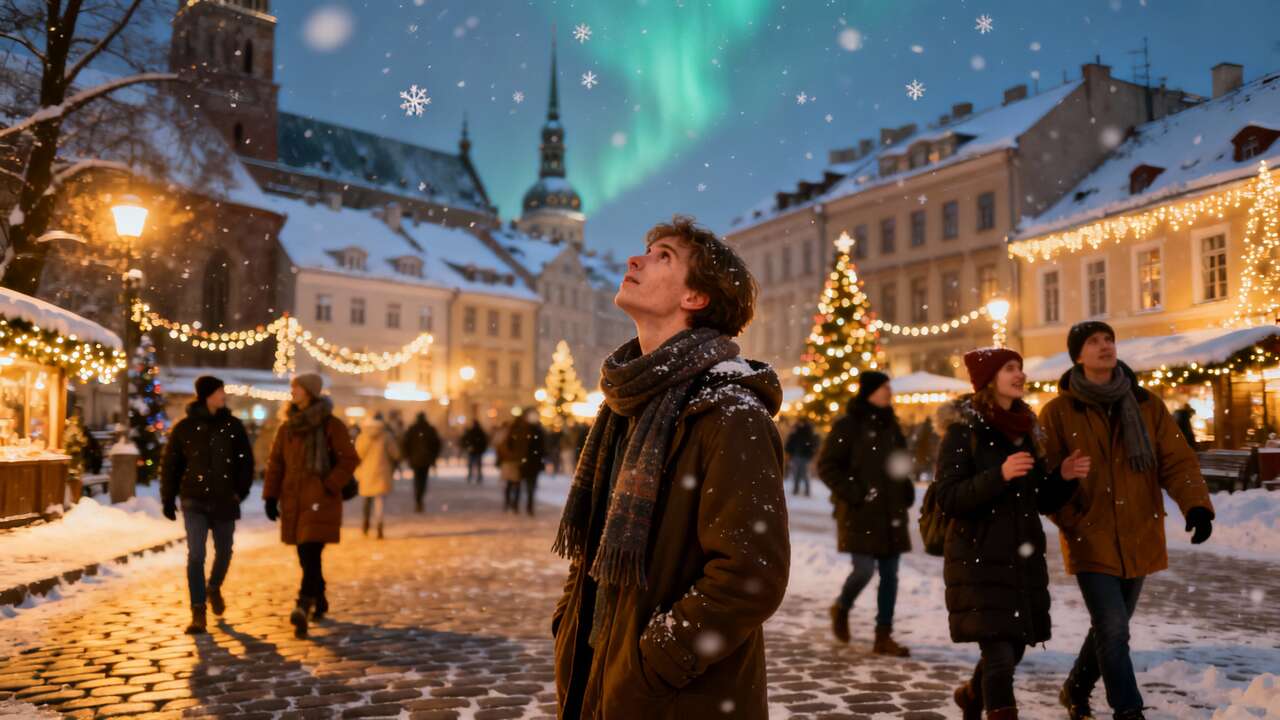
When winter descends upon Riga, the city transforms into a scene straight from a storybook. The crisp Baltic air carries the scent of gingerbread and mulled wine, and the shorter days are brightened by the warm glow of countless festive lights. This seasonal metamorphosis is not just a visual spectacle; it is an atmosphere that captivates the senses and invites visitors into a cozy, welcoming world.
The Enchanting Christmas Markets
The heart of Riga’s winter allure is undoubtedly its Christmas markets. Consistently ranked among Europe’s best, especially for budget-conscious travelers, these markets are a festive focal point. Located in Dome Square and Līvu Square in the heart of the Old Town (Vecrīga), they offer a delightful experience without the overwhelming crowds of other major cities. Visitors can wander through rows of wooden stalls, discovering unique local crafts and seasonal treats. The experience is a feast for the senses, featuring:
- Handmade Goods: Find everything from intricate woolen mittens and socks to amber jewelry and wooden toys, perfect for unique souvenirs.
- Local Delicacies: Sample traditional Latvian winter foods like roasted almonds, savory grey peas with speck, and sweet, spiced gingerbread cookies.
- Warm Beverages: Stay warm with a cup of karstvīns (mulled wine) or a non-alcoholic hot blackcurrant juice, often mixed with a dash of the famous Riga Black Balsam liqueur.
A City Dusted in Snow
While not guaranteed, a fresh snowfall elevates Riga’s beauty to another level. The red-tiled roofs of the Old Town gain a soft white outline, and the elaborate facades of the Art Nouveau district become even more dramatic. A walk through the city’s parks, like Bastejkalns Park, becomes a serene journey through a winter wonderland. The snow muffles the city sounds, creating a peaceful and magical ambiance that encourages quiet exploration and reflection. The sight of the frozen Daugava River adds to the stark, beautiful landscape of a true northern winter.
The Festive Spirit of the Locals
Despite the cold temperatures, the spirit of Riga’s residents remains warm and inviting. The city hosts numerous winter events, from outdoor concerts to festive light installations, fostering a strong sense of community and celebration. Latvians have a deep connection to their traditions, many of which are tied to the winter solstice and the changing seasons. This cultural richness is palpable, and visitors will find a populace known for its resilience and hospitality, eager to share the magic of their city during its most enchanting season.
The visual splendor of a snow-covered Riga naturally draws the eye to the very structures that define its skyline, showcasing a rich architectural history that is fascinating to explore in the crisp winter air.
Exploring Riga’s Historic Architecture in Winter
Riga’s cityscape is a captivating chronicle of its history, a place where different eras stand side by side. From the soaring spires of medieval churches to the ornate flourishes of Art Nouveau and the stark lines of Soviet-era buildings, the architecture tells a complex and compelling story. In winter, the low sun casts long shadows, and a dusting of snow highlights the intricate details of these structures, offering a unique viewing experience.
The Art Nouveau District
Riga is globally renowned for having one of the finest and most extensive collections of Art Nouveau architecture in the world. A stroll through the “Quiet Centre,” particularly along Alberta iela and Elizabetes iela, is like walking through an open-air museum. Over a third of the buildings in this area were built in this flamboyant style, characterized by:
- Elaborate facades adorned with sculptures of mythological creatures, floral motifs, and stylized human faces.
- Flowing, curved lines and intricate ironwork on balconies and doorways.
- Pastel colors that stand out beautifully against a grey winter sky.
Seeing these masterpieces, designed by architects like Mikhail Eisenstein, is a highlight of any visit to Riga.
The Medieval Heart: Riga’s Old Town
Vecrīga, Riga’s Old Town, is a UNESCO World Heritage site and the historical and geographical center of the city. Its labyrinth of narrow, cobblestone streets opens into picturesque squares, each lined with buildings that have stood for centuries. The winter atmosphere adds a layer of mystery and romance to this medieval core. Key landmarks here offer a glimpse into different periods of the city’s past.
| Landmark | Architectural Style | Historical Significance |
|---|---|---|
| House of the Blackheads | Dutch Renaissance (reconstruction) | Originally a 14th-century brotherhood hall for unmarried merchants. |
| Riga Cathedral | Romanesque, early Gothic, Baroque | The largest medieval church in the Baltics, founded in 1211. |
| St. Peter’s Church | Gothic | Offers panoramic views of the city from its spire. |
| The Three Brothers | Medieval, Renaissance, Baroque | A complex of three houses, the oldest dating back to the 15th century. |
Echoes of the Soviet Era
Providing a stark contrast to the city’s older, more ornate architecture are the buildings from the Soviet period. Structures like the Latvian Academy of Sciences, a prime example of Stalinist architecture, punctuate the skyline. For a more somber and impactful experience, a visit to the Corner House, the former KGB headquarters, is essential. This building, now a museum, offers a chilling look into Latvia’s recent past and the human cost of the Soviet occupation. It serves as a powerful reminder of the resilience of the Latvian people.
After immersing oneself in the city’s rich history through its silent stone witnesses, the desire to engage with Riga’s living culture through hands-on experiences becomes a natural next step.
Must-do Activities in Riga During the Cold Season
While the architecture provides a stunning backdrop, Riga in winter is far from a static museum. The city offers a variety of activities that allow visitors to embrace the season, whether they prefer the invigorating chill of the outdoors or the cozy warmth of an indoor cultural pursuit. There is something to suit every taste and energy level.
Ice Skating and Winter Sports
Embracing the cold is part of the Latvian winter experience. Several outdoor ice rinks pop up across the city, with the one in front of the Latvian National Museum of Art being particularly scenic. It is a classic winter activity, perfect for couples, families, or solo travelers. For those seeking more adventure, the nearby city of Sigulda, often called the “Switzerland of Latvia,” offers opportunities for skiing and even bobsledding on a professional track, providing a thrilling day trip from the capital.
Cultural Immersion in Museums and Galleries
When the temperature drops, Riga’s excellent museums and galleries offer a warm and fascinating refuge. They provide deep insights into the nation’s art, history, and identity. Top choices for a winter afternoon include:
- The Latvian National Museum of Art: Home to an extensive collection of Latvian art from the 19th century to the present, housed in a magnificent, newly renovated building.
- The Museum of the Occupation of Latvia: A poignant museum detailing the hardships Latvia endured under Nazi and Soviet rule from 1940 to 1991.
- Riga Art Nouveau Centre: Located in the former apartment of a renowned architect, this museum beautifully recreates an authentic Art Nouveau interior.
Relaxing in a Traditional Latvian Sauna
For a truly unique and deeply relaxing experience, nothing beats a traditional Latvian sauna, or pirts. This is not just about heat; it is a spiritual and cleansing ritual. The experience often involves a sauna master who guides you through cycles of heat, followed by brushing the skin with bundles of birch or oak twigs (called a slota) to improve circulation. It often concludes with a bracing dip in cold water or a roll in the snow. It is the ultimate way to rejuvenate after a day of sightseeing in the cold.
Engaging in these varied activities is sure to work up an appetite, leading visitors to explore Riga’s surprisingly dynamic and comforting culinary scene.
The Best Places to Dine in Riga in Winter
Riga’s food scene is a delightful discovery, offering a perfect blend of hearty, traditional fare and modern culinary innovation. In winter, the city’s restaurants and cafes become cozy havens, inviting you to refuel and warm up. From rustic taverns serving centuries-old recipes to stylish bistros and bustling food halls, dining in Riga is both delicious and remarkably affordable.
Cozy Cafes for a Warm Break
The cafe culture in Riga is vibrant, with charming spots dotted throughout the Old Town and the central district. These are perfect places to escape the cold and indulge in a hot drink and a sweet treat. A must-try local specialty is a warm drink made from hot blackcurrant juice mixed with a shot of Riga Black Balsam, a traditional herbal liqueur. Paired with a slice of honey cake or a classic curd scone (biezpienmaize), it is the quintessential Riga winter warmer.
Hearty Latvian Cuisine
Latvian food is ideal for winter. It is rustic, comforting, and makes use of local, seasonal ingredients. Dishes are often centered around pork, potatoes, cabbage, and dark rye bread. Exploring the Central Market, one of Europe’s largest, is a great way to see the raw ingredients, but sitting down for a meal is a must. Look for restaurants serving traditional fare to sample the true taste of Latvia.
| Dish Name | Main Ingredients | Description |
|---|---|---|
| Pelēkie Zirņi ar Speķi | Grey peas, smoked bacon, onions | A savory and hearty national dish, often eaten during Christmas. |
| Kartupeļu Pankūkas | Grated potatoes, onions, eggs | Crispy potato pancakes, typically served with sour cream or lingonberry jam. |
| Skābu Kāpostu Zupa | Sauerkraut, pork, barley | A tangy and warming sauerkraut soup, perfect for a cold day. |
| Rupjmaizes Kārtojums | Dark rye bread, cream, jam | A layered dessert made with rye bread crumbs, whipped cream, and berry preserves. |
The Thriving Craft Beer Scene
In recent years, Riga has developed a burgeoning craft beer culture. For beer enthusiasts, this offers a fantastic opportunity to taste local brews that are hard to find elsewhere. Numerous craft beer bars and brewpubs can be found across the city, each offering a unique selection of IPAs, porters, and experimental ales. It is a great way to spend an evening, sampling innovative beers in a lively, friendly atmosphere.
With a clear idea of what to see, do, and eat, the final piece of the puzzle is knowing the practical details that will ensure a smooth and enjoyable trip.
Practical Tips for Visiting Riga in Winter
A little preparation goes a long way in ensuring a comfortable and hassle-free trip to Riga during the colder months. The Baltic winter is beautiful but demands respect. Understanding what to pack, how to get around, and how to manage your budget will allow you to focus on enjoying everything this fantastic city has to offer.
What to Pack for the Baltic Cold
Dressing appropriately is the single most important factor for enjoying a winter trip to Riga. Temperatures frequently drop below freezing, so layering is essential. Your packing list should absolutely include:
- A warm, waterproof outer jacket: A good quality winter coat or parka is non-negotiable.
- Thermal base layers: Long underwear made of merino wool or a synthetic blend will keep you warm without adding bulk.
- Insulated and waterproof boots: Your feet will be the first to get cold. Choose boots with good grip for potentially icy cobblestones.
- Warm accessories: A hat that covers your ears, a scarf, and a good pair of gloves are crucial for comfort.
Getting Around the City
Riga is a very manageable city for tourists. The Old Town is compact and best explored on foot, allowing you to appreciate the architectural details up close. For destinations further afield, such as the Art Nouveau district or the Central Market, the city has an efficient and affordable public transport system of buses and trams. Tickets can be purchased from kiosks or on an app. Ride-sharing services like Bolt are also widely available and offer a convenient and inexpensive way to travel.
Currency and Budgeting
Latvia is part of the Eurozone, so the currency is the Euro (€). One of Riga’s most appealing aspects is its affordability compared to many other European capitals. You can enjoy high-quality meals, drinks, and entertainment at a fraction of the cost you would find in cities like Paris or Copenhagen. Credit and debit cards are widely accepted, but it is always wise to carry some cash for smaller purchases at markets.
| Item | Average Price |
|---|---|
| Meal at an inexpensive restaurant | €8 – €12 |
| Cup of coffee | €2.50 – €3.50 |
| Pint of local beer | €3 – €4.50 |
| Single public transport ticket | €1.50 |
Armed with this practical knowledge, it becomes clear why Riga stands out as such an exceptional choice for a winter journey.
Why Riga is a Must-visit Winter Destination in Europe
Riga checks all the boxes for a perfect winter city break. It combines affordability, authenticity, and a unique cultural tapestry that sets it apart from more mainstream destinations. For travelers seeking a memorable European experience that is rich in history and festive charm without the stress of over-tourism, the Latvian capital is an ideal choice.
Unbeatable Value for Money
Perhaps Riga’s most significant advantage is its outstanding value. A trip to Riga allows for a full, enriching experience without breaking the bank. Accommodation, dining, and activities are all priced very reasonably, meaning your travel budget stretches much further. This affordability allows you to indulge in more experiences, from fine dining to unique souvenirs, making for a more rewarding and less stressful vacation.
An Authentic and Uncrowded Experience
While its Christmas markets are gaining fame, Riga remains relatively uncrowded compared to other European hotspots. This “hidden gem” status means you can explore its beautiful streets, museums, and cafes at a leisurely pace. You will be able to take photos without jostling for space and have more meaningful interactions with locals. This less-traveled path offers a more authentic glimpse into Latvian culture and a genuinely relaxing holiday atmosphere.
A Unique Blend of History and Modernity
Riga is a city of fascinating contrasts. It is a place where you can spend the morning marveling at medieval guild halls, the afternoon admiring some of the world’s most beautiful Art Nouveau architecture, and the evening sipping innovative craft beer in a trendy bar. This seamless blend of deep history and a forward-looking, vibrant present is what makes Riga so compelling. It is a city that respects its past while embracing the future, offering a dynamic and multi-layered experience for every visitor.
Riga presents a compelling case as the ideal winter escape. Its magical festive atmosphere, stunning and diverse architecture, and wealth of cultural activities are all available at a fraction of the cost of other major European cities. The combination of its authentic, uncrowded charm and the warm hospitality of its people makes Riga a destination that not only meets but exceeds expectations, leaving visitors with lasting memories of a truly enchanting Baltic winter.

- The 5 most affordable ski resorts in North America for the 2025 season - 13 November 2025
- Far Less Crowded Than the Grand Canyon, This Utah Park Offers Views Just as Spectacular This Fall - 13 November 2025
- This California Town Has a Unique Danish Village Vibe You Won’t Find Anywhere Else - 12 November 2025