
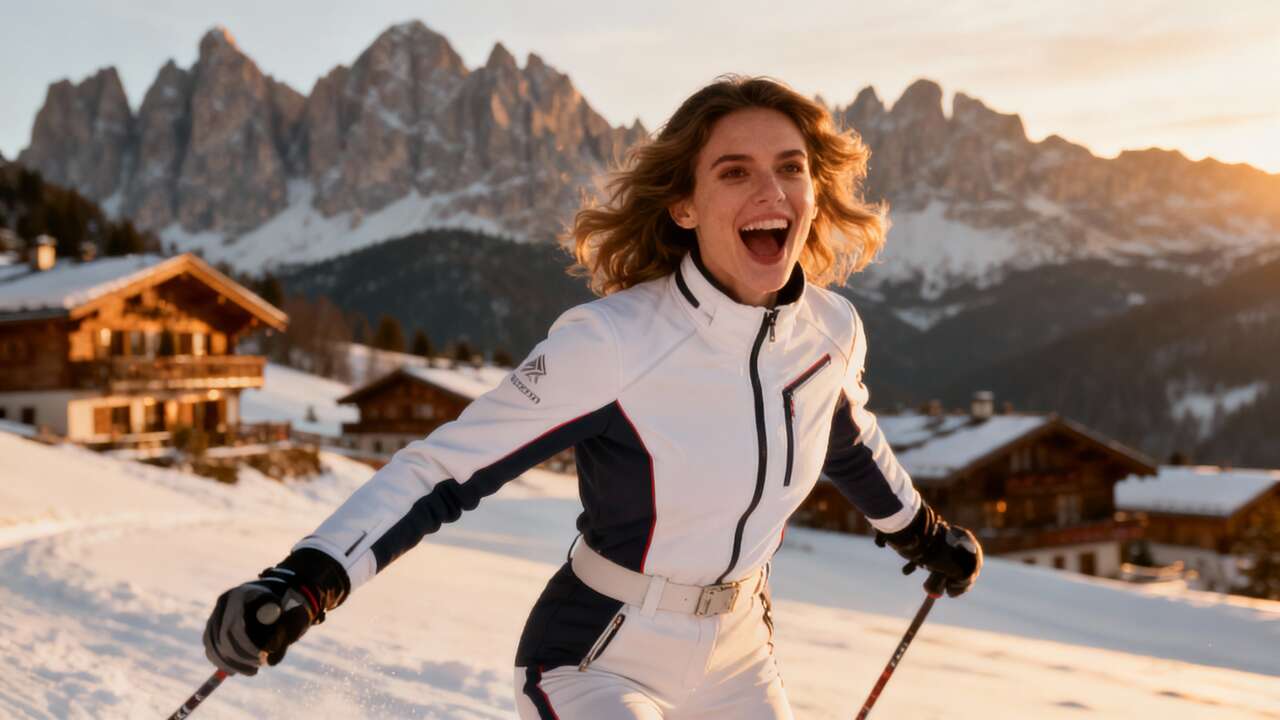

Long considered a jewel of the Italian Alps, a specific mountain range is rapidly shedding its status as a well-kept secret to become the definitive destination for discerning skiers. With its unique pale peaks, a fusion of cultures, and an atmosphere of effortless elegance, this northeastern corner of Italy offers an unparalleled blend of high-octane sport and high-fashion leisure. It is a place where challenging slopes are matched by world-class cuisine and the crisp mountain air is scented with both pine and prosecco. This is not just another ski trip; it is an immersion into a lifestyle where the beauty of the natural world and the pleasures of modern luxury coexist in perfect harmony.
The Dolomites: a winter paradise
A UNESCO World Heritage marvel
The Dolomites, often referred to as the “Pale Mountains,” present a landscape so unique it was designated a UNESCO World Heritage site in 2009. Their geological composition, primarily a carbonate rock called dolomite, is responsible for the dramatic, sheer cliffs and jagged peaks that define the skyline. This rock also creates a spectacular natural phenomenon known as Enrosadira, where the mountains glow with a fiery pink, orange, and purple hue at sunrise and sunset. This visual spectacle provides a breathtaking backdrop for any winter activity, transforming a simple ski run into a memorable visual experience. The protected status ensures that the pristine environment, with its dense forests and alpine meadows, remains unspoiled for generations to come.
The Dolomiti Superski phenomenon
At the heart of the region’s appeal is the Dolomiti Superski, a revolutionary concept that has redefined the scale of ski holidays. It is not a single resort but a massive network of 12 distinct ski areas, all accessible with a single ski pass. This interconnected system offers skiers an astonishing variety of terrain, from gentle, tree-lined cruisers to steep, adrenaline-pumping couloirs. The sheer scale is difficult to comprehend until experienced firsthand, allowing skiers to travel for days without repeating the same run. The efficiency of the modern lift system means less time waiting and more time skiing, making it possible to explore multiple valleys and villages on a single trip.
| Feature | Statistic |
|---|---|
| Interconnected Ski Areas | 12 |
| Total Kilometers of Pistes | 1,200 km (approx. 745 miles) |
| Number of Ski Lifts | 450+ |
| Single Pass Access | Yes |
More than just slopes
While skiing is the main draw, the Dolomites offer a complete winter paradise. The region is a haven for a multitude of other cold-weather pursuits. Enthusiasts can explore silent, snow-covered forests on snowshoes, glide along kilometers of groomed cross-country ski trails, or for the more adventurous, tackle frozen waterfalls with ice axes and crampons. This diversity of activities makes the Dolomites an ideal destination for groups with varying interests, ensuring that everyone, from the hardcore athlete to the nature lover seeking tranquility, can find their own piece of winter bliss. The focus is on a holistic mountain experience, where sport is just one part of a deeper connection with the alpine environment.
This vast and beautiful winter playground is anchored by several world-renowned resorts, none more famous than the one often called its queen.
Cortina d’Ampezzo: the queen of the Dolomites
A legacy of glamour and sport
Cortina d’Ampezzo holds a special place in the pantheon of elite ski resorts. Having hosted major international winter sporting competitions, its pedigree is impeccable. This history has cultivated an atmosphere of sophisticated glamour that persists to this day, attracting an international clientele of tastemakers, celebrities, and winter sports aficionados. The town itself, nestled in a sunny valley surrounded by iconic peaks like the Tofane and Cristallo, exudes an air of timeless elegance. It is a place where performance skiwear is as common on the streets as designer fashion, reflecting a culture that equally values athletic prowess and refined style.
The skiing experience in Cortina
The ski terrain directly accessible from Cortina is divided into several main areas, each with its own distinct character.
- Tofana: This is the largest area, featuring the iconic run from the Women’s World Cup downhill race. It offers a mix of challenging black runs and wide, scenic red pistes.
- Faloria-Cristallo: Located on the opposite side of the valley, this area is known for its sunny slopes and stunning views back towards the town.
- Lagazuoi-5 Torri: A slightly more remote area, it offers a truly unique experience, including the famous “Hidden Valley” run, an incredibly scenic descent past frozen waterfalls that ends with a horse-drawn lift ride back to the main circuit.
This variety ensures that skiers of all abilities can find slopes to suit their taste, all while enjoying some of the most spectacular panoramas in the Alps.
Corso Italia: the heart of alpine chic
What truly sets Cortina apart is its vibrant town life, centered around the pedestrianized Corso Italia. This elegant street is the epicenter of the resort’s chic social scene. It is lined with an impressive array of luxury boutiques, from high-fashion houses to exclusive jewelers, alongside art galleries, antique shops, and historic pastry cafes. The evening “passeggiata” (leisurely stroll) along the Corso is a cherished ritual, where visitors and locals alike gather to see and be seen, enjoying an aperitivo before dinner. This bustling, fashionable hub provides the perfect counterpoint to the wild nature of the surrounding mountains.
While Cortina may be the queen, she reigns over a kingdom of other exceptional ski areas, each offering its own unique charm and appeal.
The best ski areas in the Dolomites
Val Gardena: a blend of tradition and vastness
Nestled in a long, picturesque valley, Val Gardena is a key access point to the legendary Sellaronda, a 40-kilometer ski circuit that circumnavigates the massive Sella massif. The valley is home to three main villages: Ortisei, Santa Cristina, and Selva, each offering a slightly different vibe. Val Gardena is deeply rooted in its Ladin culture, a unique heritage visible in its language, traditions, and intricate woodcarving, for which the valley is famous. Skiers here can enjoy exceptionally long runs, including the Saslong, another World Cup classic, and feel immersed in a region that has preserved its authentic alpine soul.
Alta Badia: the gourmet’s choice
Alta Badia has carved out a stellar reputation as the culinary capital of the Dolomites. This sunny, open valley is known for its wide, perfectly groomed slopes that are a paradise for intermediate skiers. However, its main claim to fame is the extraordinary quality of its on-mountain dining. The valley boasts an incredible density of “rifugi” (mountain huts) that serve gourmet cuisine, many of which are featured in top culinary guides. Events like “A Taste for Skiing” pair decorated chefs with mountain huts for the season, allowing skiers to literally ski from one gourmet meal to the next. It is the ultimate destination for those who believe a great lunch is just as important as great snow.
Arabba-Marmolada: for the thrill-seekers
For expert skiers seeking a true challenge, the linked areas of Arabba and Marmolada are the undisputed champions. Arabba is known for its steep, north-facing slopes that hold excellent snow, offering some of the most demanding piste skiing in the Dolomites. From here, a cable car ascends to the peak of the Marmolada, the highest mountain in the range at 3,343 meters. Skiing on its glacier is a unique experience, culminating in “La Bellunese,” a spectacular 12-kilometer run that offers an immense vertical drop and unforgettable views. This area is less about leisurely cruising and more about high-altitude adventure.
The exhilarating skiing in these top areas invariably works up an appetite, leading skiers to discover another of the region’s greatest assets: its food and shopping.
Gastronomy and top shopping in the Dolomites
A culinary crossroads
The cuisine of the Dolomites is a delicious reflection of its history, a place where Italian and Austro-Hungarian cultures meet. This fusion creates a unique culinary landscape found nowhere else. Menus feature a delightful mix of Mediterranean and Alpine flavors. You might start with Italian antipasti and then move on to hearty Tyrolean dishes.
- Canederli: Savory bread dumplings often served in broth or with melted butter.
- Spätzle: Small spinach dumplings typically served with cream and speck.
- Speck: A locally cured, smoked ham that is a staple of the region.
- Polenta: Often served with mushrooms, cheese, or goulash.
This blend is complemented by an excellent selection of local wines from the South Tyrol and Trentino regions, creating a rich and satisfying dining experience.
Mountain huts reinvented
The concept of the on-mountain lunch has been elevated to an art form in the Dolomites. The traditional “rifugio,” once a simple shelter for mountaineers, has evolved dramatically. While many rustic, charming huts remain, there is a growing number of design-forward establishments offering sophisticated menus, extensive wine lists, and sun-drenched terraces with plush lounge furniture. Stopping for lunch is not a quick refuel; it is a key part of the day’s itinerary, a chance to relax, socialize, and savor exceptional food while surrounded by stunning scenery. This commitment to quality makes the midday break a highlight of the ski day.
From luxury brands to local crafts
The shopping experience in the Dolomites mirrors its cuisine: a mix of international sophistication and local authenticity. In chic resorts like Cortina d’Ampezzo and Ortisei in Val Gardena, the main streets are lined with boutiques from top Italian and international fashion designers. These sit alongside shops dedicated to high-performance ski gear and stylish winter apparel. For a more authentic souvenir, visitors can explore stores selling traditional crafts, most notably the intricate woodcarvings of Val Gardena, as well as local textiles, pottery, and artisanal foods like cheeses, jams, and grappa.
This blend of high style and authentic charm extends to the region’s wide range of places to stay.
Accommodation: modernity and tradition in the Dolomites
Luxury hotels with alpine charm
The Dolomites are home to an exceptional collection of luxury hotels that masterfully blend alpine tradition with five-star service. Many of these establishments are family-owned for generations, offering a warm, personal welcome alongside world-class amenities. Expect to find expansive wellness centers with indoor-outdoor pools, multiple saunas, and a full range of spa treatments designed to soothe tired muscles. Interiors often feature a sophisticated mix of local wood and stone with contemporary design, creating a cozy yet elegant atmosphere. In-house restaurants frequently rank among the best in the region, making these hotels destinations in their own right.
Charming “garnì” and family-run hotels
For a more intimate and often more affordable experience, the region is dotted with “garnì” (bed and breakfast style accommodations) and smaller, family-run hotels. These establishments offer a genuine taste of local hospitality. While they may not have the extensive facilities of a five-star hotel, they compensate with immense charm, cozy rooms, and a personal touch that makes guests feel like part of the family. A stay in a garnì is an excellent way to experience the authentic culture of the Dolomites and often includes a delicious homemade breakfast featuring local products to start the ski day off right.
The rise of the design-forward chalet
Catering to a growing demand for privacy and contemporary style, a new wave of architect-designed chalets and apartments has emerged. These properties combine the latest in modern design with a deep respect for the alpine environment. Think floor-to-ceiling windows to maximize the stunning views, minimalist interiors featuring natural materials, and private wellness facilities like saunas or hot tubs. These rentals are perfect for families or groups of friends who want the freedom and space of a private home without sacrificing the high-end design and comfort of a luxury hotel.
With a clear picture of the exceptional experiences on offer, the final piece of the puzzle is understanding how to reach this mountain paradise.
How to get to the Dolomites for skiing
Flying into the region
The Dolomites are conveniently accessible from several international airports. The choice of airport often depends on which valley you plan to visit. Venice Marco Polo (VCE) is typically the most convenient for Cortina and the eastern Dolomites, while Innsbruck (INN) in Austria is an excellent gateway for the northern areas like Val Pusteria and Alta Badia. Verona (VRN) and Treviso (TSF) are also viable options. From the airport, the journey to the resorts is straightforward, offering scenic drives through the alpine foothills.
| Airport | To Cortina d’Ampezzo | To Val Gardena (Ortisei) |
|---|---|---|
| Venice (VCE) | 2 hours | 3 hours |
| Innsbruck (INN) | 2.5 hours | 1.5 hours |
| Verona (VRN) | 3 hours | 2 hours |
Ground transportation options
Once you land, several options are available for the final leg of the journey.
- Car Rental: Renting a car provides the most flexibility for exploring the region. It is essential to ensure the vehicle is equipped with winter tires and snow chains, as this is a legal requirement in Italy during winter months.
- Airport Shuttles: A number of companies offer direct bus services from the main airports to the major ski resorts. This is a cost-effective and stress-free option.
- Private Transfers: For maximum convenience and comfort, pre-booking a private transfer is the best choice. A driver will meet you at arrivals and take you directly to your accommodation.
Navigating within the Dolomites
One of the great advantages of the Dolomites is that a car is often unnecessary once you have arrived at your resort. The different villages and ski areas are extremely well-connected by an efficient and frequent public ski bus network. These buses are typically included with the Dolomiti Superski pass. This allows for easy exploration of neighboring valleys and makes point-to-point ski tours, like the Sellaronda, simple to navigate without having to worry about returning to a parked car.
The combination of breathtaking UNESCO-listed landscapes and the vast, interconnected Dolomiti Superski area creates a winter sports playground of unparalleled scale and beauty. This world-class skiing is elevated by a chic and sophisticated atmosphere, particularly in resorts like Cortina d’Ampezzo, where high fashion and alpine tradition meet. The unique fusion of Italian and Tyrolean cultures enriches the experience through a distinctive culinary scene and a range of high-quality accommodations. Easily accessible from major European cities, the Dolomites seamlessly blend thrilling adventure with effortless style, solidifying their position as the preeminent destination for a truly chic ski holiday.

- The 5 most affordable ski resorts in North America for the 2025 season - 13 November 2025
- Far Less Crowded Than the Grand Canyon, This Utah Park Offers Views Just as Spectacular This Fall - 13 November 2025
- This California Town Has a Unique Danish Village Vibe You Won’t Find Anywhere Else - 12 November 2025
Pubblicazioni simili :
 Why Is This Tiny Texas Desert Town Suddenly the Coolest Art Destination in America?
 This ancient Italian city carved from rock is hauntingly beautiful in winter (Matera, Italy)
 This North Carolina Mountain Village Is the Number One Artsy Getaway This Autumn
 Autumn in This New Mexico City Is Filled With Art, Culture, and Crisp Mountain Air