
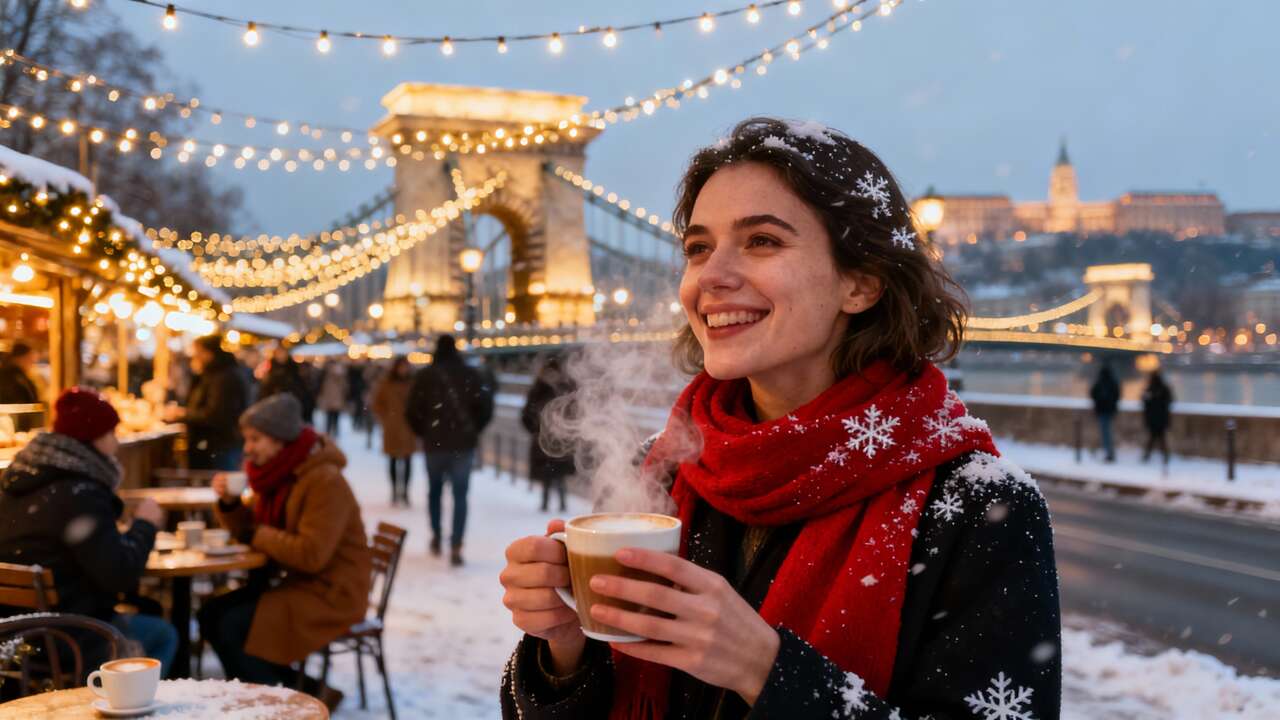

Once considered a hidden gem of Eastern Europe, Budapest is rapidly claiming the spotlight as a premier winter destination, presenting a compelling alternative to established hubs like Berlin. The Hungarian capital, gracefully straddling the Danube river, offers a unique tapestry of experiences that feel both timeless and thrillingly contemporary. During the winter months, when a gentle hush falls over the city and crowds thin, its true character emerges. From the steam rising off its legendary thermal baths to the twinkling lights of its festive markets, Budapest provides a winter getaway that combines imperial grandeur with an irrepressible, modern spirit, making it an increasingly popular choice for travelers seeking culture, relaxation, and adventure.
Architectural discovery: a unique blend of styles
Budapest’s cityscape is a sprawling, open-air museum, a testament to the empires and eras that have shaped it. Unlike the often stark, modern aesthetic that defines much of Berlin, Budapest offers a visual feast of layered history, where grandiose boulevards give way to cobbled lanes and architectural styles collide in a uniquely harmonious way. The city’s very structure tells a story of two distinct halves, Buda and Pest, which were unified in 1873 but retain their individual characters.
The dual identity of Buda and Pest
The city is a tale of two halves, each with its own rhythm and architectural signature. Buda, on the west bank of the Danube, is the historic heart, characterized by its rolling hills and medieval charm. Here, you’ll find the Buda Castle district, a UNESCO World Heritage site, which includes:
- The Royal Palace, a massive complex housing the Hungarian National Gallery and the Budapest History Museum.
- Matthias Church, with its dazzling Zsolnay-tiled roof and intricate Gothic spires.
- Fisherman’s Bastion, a fairytale-like structure offering panoramic views of Pest and the iconic Parliament Building across the river.
Across the Chain Bridge lies Pest, the city’s vibrant commercial and administrative center. It is defined by its flat terrain and grand 19th-century urban planning, featuring wide avenues like the majestic Andrássy Avenue, lined with Neo-Renaissance mansions and upscale boutiques.
Art nouveau and secessionist masterpieces
While Budapest showcases a range of styles from Gothic to Baroque, it is particularly celebrated for its stunning examples of Art Nouveau architecture. This style, known locally as Secession, blossomed here at the turn of the 20th century. Buildings like the Gellért Baths, with its ornate interiors and stained-glass windows, and the Museum of Applied Arts, with its distinctive green and yellow tiled roof, are prime examples. This organic, decorative style provides a softer, more romantic visual language compared to the industrial and Bauhaus influences seen in many parts of Berlin.
Echoes of a complex history
The city’s architectural narrative also includes the more somber, functionalist buildings from its 20th-century communist period. These structures stand in stark contrast to the imperial opulence, creating a compelling visual dialogue about Hungary’s past. This blend of imperial splendor, Art Nouveau elegance, and Soviet-era pragmatism gives Budapest an architectural depth that is both complex and captivating.
Architectural Style Comparison: Budapest vs. Berlin
| Style | Prominence in Budapest | Prominence in Berlin |
|---|---|---|
| Gothic & Baroque | High (Buda Castle, various churches) | Moderate (Rebuilt structures) |
| Art Nouveau (Secession) | Very High (Gellért Baths, Gresham Palace) | Low (Jugendstil present but less dominant) |
| Neoclassical & Neo-Renaissance | High (Parliament, Opera House) | High (Brandenburg Gate, Museum Island) |
| Bauhaus & Modernist | Present but less central | Very High (Iconic to the city’s identity) |
| Soviet-era Functionalism | Visible (Suburban blocks, some public buildings) | Visible (Plattenbauten in East Berlin) |
The city’s magnificent structures are not just for admiration from afar; many house experiences that are central to a winter visit, including the world-renowned thermal baths.
Immersion in thermal baths
One of Budapest’s most defining and cherished traditions is its bathing culture. Built upon a network of over a hundred thermal springs, the city has rightfully earned the title “City of Spas”. This ancient practice of “taking the waters” is not just a summer activity; it becomes an almost magical experience in the winter, offering a warm sanctuary against the cold air and a unique form of relaxation that is deeply woven into the local way of life.
A tradition rooted in history
The culture of thermal bathing in Budapest dates back centuries. The Romans first capitalized on the natural hot springs, building the first bath complexes. Later, during the 16th-century Ottoman occupation, the Turks constructed several hammams, some of which, like the Rudas and Király Baths, are still in operation today. This long history has embedded the spa experience into the city’s DNA, evolving from a purely medicinal practice to a vital social institution.
The quintessential winter experience
There is perhaps no more iconic Budapest winter image than that of swimmers and chess players submerged up to their necks in the steaming outdoor pools of the Széchenyi Baths while snow falls around them. The contrast between the crisp, cold air and the soothing, mineral-rich water, which can reach temperatures of 100°F (38°C), is both invigorating and profoundly relaxing. The Széchenyi, housed in a magnificent Neo-Baroque palace, is the largest medicinal bath in Europe, but it’s just one of many options. The Gellért Baths offer a different but equally enchanting experience with their stunning Art Nouveau interiors, mosaic-covered walls, and stained-glass ceilings.
Health benefits and social hub
Beyond simple relaxation, the thermal waters of Budapest are renowned for their therapeutic properties. Rich in minerals like calcium, magnesium, and sulfate, they are believed to help with a variety of ailments, from joint pain to skin conditions. But the baths serve another crucial purpose: they are social hubs. They are places where friends meet, families relax, and business deals are informally struck. For a visitor, participating in this ritual is a direct way to connect with the local culture, finding a moment of shared tranquility. This focus on restorative wellness provides a calming counterpoint to the city’s more energetic cultural offerings.
Cultural and artistic exploration
Budapest’s cultural landscape is as rich and layered as its architecture. The city hums with a creative energy that is rooted in a deep appreciation for its history, music, and arts. While Berlin is famed for its cutting-edge contemporary art scene and techno clubs, Budapest offers a cultural experience that often feels more classical and deeply tied to its Central European heritage, providing a different but equally rewarding journey for the arts enthusiast.
Museums and galleries for every taste
The city is home to an impressive array of museums that cater to diverse interests. The Hungarian National Museum chronicles the nation’s history from its foundation to the modern era, while the Museum of Fine Arts on Heroes’ Square houses an extensive collection of international art, from Egyptian antiquities to masterpieces by European masters like Raphael and El Greco. For those interested in more contemporary works, the Ludwig Museum focuses on modern and pop art. A winter day is perfectly spent wandering through these grand halls, escaping the cold while absorbing centuries of history and creativity.
A rich musical heritage
Music is the lifeblood of Budapest. The city was home to world-renowned composers like Franz Liszt and Béla Bartók, and their legacy lives on in its vibrant classical music scene. The centerpiece is the magnificent Hungarian State Opera House, a Neo-Renaissance jewel considered one of the most beautiful in the world. Attending a performance here is not just a musical experience but an architectural one. For a more intimate setting, the Liszt Academy of Music offers regular concerts in its breathtaking Art Nouveau concert hall. This reverence for classical tradition offers a stark contrast to Berlin’s reputation as the global capital of electronic music.
The living history of the jewish quarter
The historic 7th district, or the old jewish quarter, is one of Budapest’s most fascinating and dynamic neighborhoods. It is home to the Dohány Street Synagogue, the largest in Europe, a stunning Moorish Revival building that stands as a powerful symbol of the city’s once-thriving jewish community. Today, the quarter is a vibrant area where synagogues and kosher shops coexist with trendy design stores, artisan coffee shops, and the famous ruin bars. Exploring its streets is a journey through a history of tragedy and resilience, now reborn as the city’s creative and nightlife hub. The flavors of this neighborhood are just as compelling as its sights.
Local gastronomy: hungarian delights in winter
Hungarian cuisine is the ultimate comfort food, perfectly suited for the colder months. It is hearty, flavorful, and deeply satisfying, relying on rich ingredients and the nation’s signature spice: paprika. A culinary exploration of Budapest in winter is an essential part of the experience, offering a delicious respite from the chill and a true taste of the country’s soul. From steaming bowls of goulash to decadent pastries, the city’s food scene is both traditional and increasingly innovative.
Hearty dishes for cold days
Winter is the ideal season to indulge in classic Hungarian dishes. No visit is complete without trying a proper goulash (gulyás), a slow-cooked beef and vegetable soup heavily seasoned with paprika, which is far more of a soup than the stew many foreigners expect. Other must-try winter warmers include:
- Stuffed Cabbage (Töltött Káposzta): Cabbage leaves filled with minced meat and rice, cooked in a savory tomato or sauerkraut sauce and served with sour cream.
- Fisherman’s Soup (Halászlé): A bright red, paprika-spiced river fish soup that is a staple, especially around Christmas.
- Lángos: A popular street food of deep-fried dough, traditionally topped with sour cream, garlic, and grated cheese.
The sweet side of hungary
Budapest has a long and storied café culture, and its pastry shops (cukrászda) are legendary. Historic coffee houses like Gerbeaud and the New York Café offer an opulent setting to enjoy classic Hungarian cakes. The Dobos Torte, with its thin layers of sponge and chocolate buttercream topped with a hard caramel glaze, is a national icon. During the winter, the scent of Kürtőskalács, or chimney cake, fills the air, especially at Christmas markets. This sweet, spiral-shaped dough is roasted over charcoal, then rolled in toppings like cinnamon sugar or chopped walnuts.
Wine culture and local spirits
Hungary boasts a proud and ancient winemaking tradition. Winter is a great time to sample the country’s robust red wines, such as the famous Egri Bikavér (Bull’s Blood of Eger). For something truly unique, the sweet dessert wines of the Tokaj region are world-renowned. To fend off the cold in true Hungarian fashion, one might try a shot of Pálinka, a potent fruit brandy that is considered a national spirit. This rich culinary scene provides the perfect fuel for exploring the city’s energetic nightlife.
Vibrant and diverse nightlife
When dusk falls, Budapest reveals another side of its personality. The city’s nightlife is eclectic, unpretentious, and surprisingly affordable, making it a major draw for visitors. While it shares a certain bohemian spirit with Berlin, Budapest’s scene is defined by its own unique creation: the ruin bar. These establishments have transformed the city’s after-dark landscape and offer an experience that is quintessentially Budapest.
The phenomenon of ruin bars
The concept of the “ruin bar” (romkocsma) originated in the early 2000s in the derelict buildings of the old jewish quarter. Instead of renovating these crumbling, pre-war buildings, pioneering entrepreneurs filled them with mismatched furniture, quirky art, and makeshift bars, creating surreal, labyrinthine spaces. The original and most famous is Szimpla Kert, a sprawling complex with multiple rooms, open-air courtyards, and an incredibly eclectic decor. These bars are not just places to drink; they are cultural community centers, hosting farmers’ markets, film screenings, and live music.
Beyond the ruins: a spectrum of choices
While ruin bars are a must-visit, Budapest’s nightlife is far from one-dimensional. The Gozsdu Courtyard, a series of interconnected courtyards in the jewish quarter, is packed with a high concentration of restaurants, pubs, and cocktail bars, offering a more mainstream but equally lively atmosphere. For those seeking something more refined, the city has a growing number of sophisticated rooftop bars with stunning views of the skyline, as well as elegant wine bars perfect for sampling local vintages.
Nightlife Hotspot Comparison: Budapest vs. Berlin
| City | Key Districts | Defining Vibe | Signature Venues |
|---|---|---|---|
| Budapest | 7th District (Jewish Quarter), Gozsdu Courtyard | Bohemian, eclectic, unpretentious | Ruin Bars (Szimpla Kert), Courtyard bars |
| Berlin | Kreuzberg, Friedrichshain, Neukölln | Alternative, industrial, techno-focused | Techno clubs (Berghain), underground venues |
An affordable night out
One of the most appealing aspects of Budapest’s nightlife is its affordability. Compared to Berlin and other major Western European capitals, the price of drinks and cover charges is significantly lower. This allows visitors to explore a variety of venues without breaking the bank, making the city an attractive destination for younger travelers and anyone looking for a vibrant nightlife experience that delivers high energy without the high cost. This accessibility extends to its shopping, especially during the festive season.
Enchanting shopping and Christmas markets
As winter deepens, Budapest transforms into a festive wonderland. The city embraces the holiday season with a warmth and charm that is truly magical. Its Christmas markets are consistently ranked among the best in Europe, offering a traditional and atmospheric experience that feels less commercialized than in many other major cities. Beyond the markets, the city provides a range of shopping opportunities, from grand boulevards to unique local boutiques.
Festive magic at Vörösmarty square
The most famous Christmas market in Budapest is held at Vörösmarty Square. Wooden chalets are set up in the heart of the city, selling an array of high-quality, authentic Hungarian handicrafts, from intricate lacework to handmade leather goods and ceramics. The air is filled with the enticing aromas of mulled wine (forralt bor), roasted chestnuts, and chimney cake being cooked over open fires. A large stage features daily performances of folk music and dance, adding to the festive ambiance. Another notable market is the one in front of St. Stephen’s Basilica, which features a small ice rink at its center.
Unique souvenirs and local crafts
For year-round souvenir and food shopping, the Great Market Hall is an unmissable destination. This vast, three-story Neo-Gothic building is an architectural marvel and a bustling hub of activity. The ground floor is a kaleidoscope of fresh produce, cured meats, and every kind of paprika imaginable. The upper floor is the place to find traditional souvenirs, such as:
- Hand-embroidered textiles from the Matyó and Kalocsa regions.
- Bottles of Tokaji wine and Pálinka.
- Painted wooden toys and chess sets.
It’s an ideal place to find authentic gifts that reflect Hungarian culture.
Boutique shopping and grand avenues
For those seeking fashion and luxury goods, Andrássy Avenue is Budapest’s version of the Champs-Élysées, home to international designer brands. However, for a more unique shopping experience, the smaller streets branching off from it, as well as the area around the Parliament, are filled with independent boutiques run by local Hungarian designers. This mix of traditional markets, grand department stores, and contemporary design shops provides a shopping experience that is both diverse and deeply connected to the city’s identity.
Budapest in winter offers a compelling and complete travel experience. Its stunning architectural variety provides a dramatic backdrop for exploration, while the unique tradition of its thermal baths offers a warm and restorative escape from the cold. The city’s rich cultural life, hearty and flavorful cuisine, and uniquely bohemian nightlife create a vibrant atmosphere. Capped off by the enchanting charm of its Christmas markets, the Hungarian capital presents a captivating blend of imperial elegance and modern energy, establishing itself as a truly essential destination for a memorable winter getaway.

- The 5 most affordable ski resorts in North America for the 2025 season - 13 November 2025
- Far Less Crowded Than the Grand Canyon, This Utah Park Offers Views Just as Spectacular This Fall - 13 November 2025
- This California Town Has a Unique Danish Village Vibe You Won’t Find Anywhere Else - 12 November 2025