
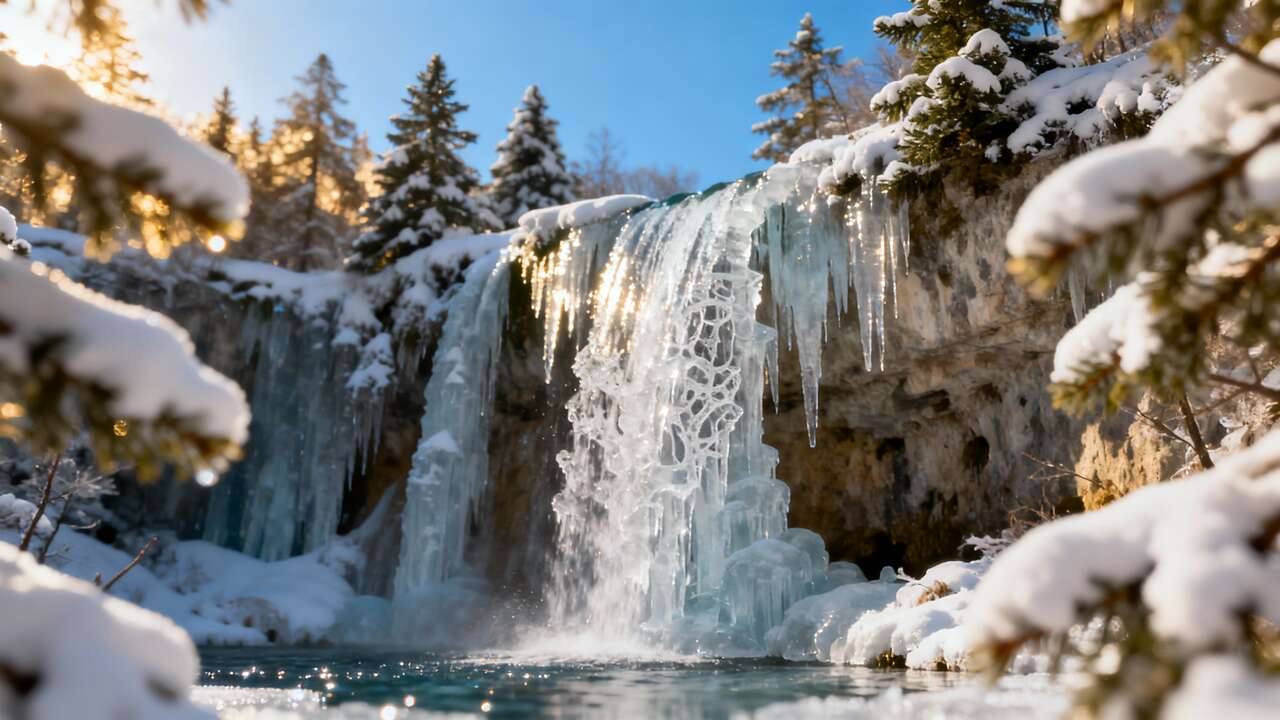

While Croatia often conjures images of sun-drenched coastlines and ancient seaside cities, one of its greatest treasures reveals its most profound and tranquil beauty under a blanket of snow and ice. Plitvice Lakes National Park, a UNESCO World Heritage site celebrated for its terraced lakes and vibrant waterfalls, undergoes a dramatic metamorphosis in winter. The roar of cascading water softens to a whisper, the lush greens give way to crystalline whites, and the bustling crowds of summer vanish, leaving behind a serene, almost surreal landscape that feels worlds away from the familiar. This is Plitvice not as a tourist hotspot, but as a quiet kingdom of ice, offering a rare glimpse into nature’s silent, frozen artistry.
Plitvice in Winter: a Fairy Tale Landscape
The Great Transformation
As winter descends upon the Lika region, Plitvice Lakes National Park sheds its summer skin for a coat of pristine white. The familiar turquoise waters, famous for their clarity, now peek through sheets of ice, creating a stunning contrast against the snow-dusted shores. The park’s dense forests of beech, fir, and spruce become a monochromatic masterpiece, their branches heavy with snow, forming ethereal tunnels over the wooden boardwalks. It is a transformation so complete that it feels like stepping into another world, a place where time slows down, and the only sounds are the crunch of snow underfoot and the faint gurgle of water flowing beneath the ice. This quiet grandeur stands in stark contrast to the park’s more turbulent history, including being the site of the first armed conflict in the Croatian War of Independence, a past that makes its present-day tranquility all the more poignant.
A Quieter, More Intimate Experience
Perhaps the most compelling reason to visit Plitvice in winter is the profound sense of solitude. The millions who flock to the park during peak season are replaced by a handful of intrepid visitors, allowing for an uninterrupted and deeply personal connection with the environment. The absence of crowds means you can linger on bridges, study the intricate patterns of ice, and experience the park’s majesty without distraction. The benefits of this off-season visit are numerous:
- Unobstructed Views: Enjoy clear sightlines of the park’s most iconic vistas without waiting in line.
- Enhanced Photography: Capture stunning, crowd-free landscapes where the interplay of light, snow, and ice creates unique photographic opportunities.
- A Meditative Atmosphere: The quiet allows for a more reflective experience, where the sheer power and beauty of nature can be fully appreciated.
- Lower Costs: Entrance fees and nearby accommodation prices are often significantly lower than in the summer months.
The Palette of Winter
While winter may seem to drain the world of color, at Plitvice it simply changes the palette. The park’s famous water colors, a result of dissolved minerals and organisms, remain strikingly vivid. The unfrozen sections of the lakes glow with an intense aquamarine or deep emerald hue, made even more dramatic by the surrounding white snow and dark, bare trees. The travertine rock formations, which form the natural dams between the lakes, become canvases for frozen art, with water freezing mid-flow into delicate, glassy sculptures. This unique combination of color and texture makes the winter landscape of Plitvice a truly unforgettable spectacle.
This mesmerizing landscape is defined by its water, which, even when frozen, shapes the entire experience. The park’s waterfalls, in particular, become the stars of this icy show, drawing the eye with their dramatic new forms.
The Icy Waterfalls of Plitvice
Veliki Slap: the Frozen Giant
The undisputed centerpiece of the park is Veliki Slap, or the “Great Waterfall”. Plunging 78 meters (256 feet), it is the tallest waterfall in Croatia. In winter, this powerful cascade is transformed into a colossal ice sculpture. While the core of the waterfall may still flow, its spray freezes onto the surrounding cliffs, creating a magnificent curtain of icicles and frozen formations that can stretch from top to bottom. The roar of the summer torrent is replaced by a deep, muffled hush, and the sight of this frozen giant, glistening in the low winter sun, is a humbling and awe-inspiring experience. It is the park’s raw power, captured and held in suspended animation.
A Symphony of Frozen Cascades
Beyond Veliki Slap, the park is a network of countless smaller waterfalls and cascades that connect the 16 terraced lakes. In winter, each of these becomes a unique work of art. The travertine dams, porous and moss-covered, act as a perfect framework for the ice. Water seeps and trickles through the rock, freezing into intricate, lace-like patterns. The Sastavci Slapovi, where the Korana river begins, and the cascades of the Upper Lakes (when accessible) present a stunning variety of frozen forms. The visual difference is striking when compared to their summer state.
| Waterfall Feature | Summer Appearance | Winter Appearance |
|---|---|---|
| Sound | Loud, roaring, and powerful | Muffled, quiet, with occasional cracks of ice |
| Form | Flowing, dynamic, and misty | Static, sculptural, with intricate ice formations |
| Surroundings | Lush green moss and vegetation | Bare rock, snow, and glistening icicles |
The Sound of Silence
The auditory landscape of Plitvice in winter is as remarkable as the visual one. The constant, overwhelming rush of water that fills the air in summer disappears. It is replaced by a profound silence, broken only by the wind whistling through the bare trees, the distant call of a bird, or the gentle crunch of your boots on the snow. This quietude allows you to hear the more subtle sounds of the park: the delicate crackle of freezing water or the deep groan of a shifting sheet of ice on a lake. It is a multi-sensory experience that immerses you completely in the serene and powerful presence of the winter wilderness.
This stillness is not a sign of lifelessness; rather, it is a period of quiet survival, where the park’s diverse flora and fauna have adapted in remarkable ways to endure the cold.
The Park’s Unique Biodiversity in Winter
Wildlife in the Snow
While many animals hibernate or become less active, winter offers a unique opportunity for wildlife tracking in Plitvice. The fresh snow becomes a canvas, revealing the presence of the park’s more elusive inhabitants. Tracks of deer, foxes, wild boar, and even wolves or lynx can be spotted by the keen-eyed visitor, telling stories of nocturnal journeys through the frozen forest. Birds like the dipper can be seen plunging into the icy streams in search of food. Though direct sightings of larger mammals like the brown bear are extremely rare, the evidence of their existence is a powerful reminder that this beautiful landscape is very much a living, wild ecosystem. Keep an eye out for:
- Footprints of red deer and roe deer along the trails.
- The distinctive paw prints of foxes weaving through the trees.
- The powerful tracks of a brown bear, a rare but thrilling find.
- The chatter of hardy bird species that remain active all winter.
Flora’s Winter Slumber
The park’s plant life enters a state of dormancy, but its beauty is far from diminished. The skeletal forms of deciduous trees like beech and maple create stark, graphic silhouettes against the white snow and pale sky. The evergreens, primarily fir and pine, provide a deep green contrast, their boughs often weighed down with heavy loads of snow. The mosses and lichens that cling to the travertine formations are encased in ice, preserved in a state of suspended animation until the spring thaw. This period of rest is crucial for the health of the forest, allowing it to conserve energy and prepare for the explosive growth of spring.
The Unseen Life Below the Ice
Beneath the frozen surfaces of the lakes, life continues. The park’s aquatic ecosystem, including several species of fish like brown trout and chub, adapts to the colder temperatures and lower light levels. The same combination of minerals, particularly calcium carbonate from the travertine rock, and microorganisms that gives the lakes their spectacular colors in summer is still present. This underwater world, hidden from view, is a testament to the resilience of nature and the complex processes that make Plitvice a site of global ecological importance.
Witnessing this resilient ecosystem requires some preparation, as a winter visit presents a different set of challenges and logistics than a trip in the warmer months.
Practical Tips for Visiting Plitvice in the Cold Season
Planning Your Visit
A successful winter trip to Plitvice hinges on careful planning. Unlike summer, park operations are significantly scaled back. Typically, only Entrance 1 and the Lower Lakes trails are open to the public, as conditions on the Upper Lakes trails can be too hazardous. The electric boats and panoramic trains that ferry visitors around the park do not operate, meaning all exploration must be done on foot. It is crucial to check the official park website for the most current information on opening hours, ticket prices, and trail conditions before you travel, as they can change daily based on the weather.
| Park Service | Summer Status | Winter Status |
|---|---|---|
| Entrances | Entrance 1 & 2 Open | Usually only Entrance 1 Open |
| Lake Boats | Fully Operational | Not Operational |
| Panoramic Trains | Fully Operational | Not Operational |
| Restaurants/Cafes | Most are open | Very limited; many are closed |
Essential Gear and Safety
Dressing appropriately is non-negotiable for a safe and enjoyable visit. The weather can be unpredictable and temperatures often drop well below freezing. Layering is key. Start with a thermal base layer, add a fleece or wool mid-layer, and top it off with a waterproof and windproof outer jacket and pants. Equally important is footwear: sturdy, waterproof hiking boots with good grip are essential. For icy conditions, which are very common on the wooden boardwalks, a pair of ice cleats or crampons that can be slipped over your boots will provide critical stability and prevent falls. Also, be sure to pack snacks and a thermos of a hot beverage, as food services within the park are extremely limited.
Navigating the Winter Trails
The designated winter trails are typically well-maintained, but visitors must stick to the marked paths. The wooden boardwalks can become very slippery, and straying from the trail can be dangerous due to deep snow or thin ice over water. The circular route around the Lower Lakes from Entrance 1 offers spectacular views of Veliki Slap and the Sastavci cascades. Allow ample time for your hike, as walking in snow and ice takes longer, and daylight hours are shorter in winter. Always inform someone of your plans and estimated return time.
After a day spent exploring the crisp, cold air of the park, finding a warm and welcoming place to rest is essential to completing the perfect winter experience.
Warm Accommodations Near the Park
Cozy Guesthouses and Local Hospitality
The area surrounding Plitvice Lakes is dotted with charming, family-run guesthouses known locally as ‘sobe’ or ‘pansion’. In winter, these establishments offer a particularly warm welcome. Many feature traditional Lika architecture with wood-heavy interiors and roaring fireplaces. Staying in a guesthouse provides an authentic experience, often including home-cooked meals featuring hearty regional specialties perfect for refueling after a day of hiking. The personal touch of local hosts can make a winter stay truly memorable, offering insights into the local culture and way of life.
Hotel Options with Winter Amenities
For those preferring the conveniences of a hotel, several are located within walking distance of Entrance 1. These state-run hotels, while sometimes dated in style, provide undeniable convenience and comfort. Look for amenities that are especially welcome in winter, such as on-site restaurants serving traditional Croatian cuisine, cozy bars perfect for an evening drink, and comfortable lounges where you can relax and warm up. Booking a room at one of these hotels means you can be at the park entrance just minutes after waking up, ready to catch the best morning light on the snow.
Booking in the Off-Season
While winter is the low season, it is still advisable to book your accommodation in advance, especially if you plan to visit over a weekend or holiday period. The advantage of off-season travel is that you can often find excellent value. Prices for rooms are generally lower than in the summer, and you may have a wider choice of available accommodations. Securing your lodging ahead of time ensures a stress-free trip, allowing you to focus solely on the magic of the park.
With a warm base secured, you can fully immerse yourself in the unique activities that make a winter visit to Plitvice so special.
Must-Do Activities in Plitvice During Winter
Winter Hiking and Exploration
The primary activity in Plitvice during winter is, of course, hiking. The experience is fundamentally different from a summer walk. The trails, especially the wooden boardwalks that wind over the lakes and alongside the cascades, offer an intimate perspective on the frozen world. Every step reveals a new composition of ice, snow, and turquoise water. The Lower Lakes route is the most common, offering a circuit that typically takes a few hours and covers the most iconic sights, including the canyon viewpoint and the base of Veliki Slap. It is a physical activity that rewards with unparalleled beauty and tranquility.
Photography: Capturing the Icy Spectacle
For photographers, Plitvice in winter is a dream destination. The soft, diffused light of the low winter sun creates a magical glow on the ice and snow, while the contrast between the white landscape and the vivid blue-green water provides endless creative possibilities. Patience is rewarded with stunning, unique shots that are impossible to capture at any other time of year. To make the most of a photographic expedition, consider these tips:
- Use a polarizing filter: This will help reduce glare from the snow and ice and enhance the rich colors of the water.
- Bring extra batteries: Cold weather drains battery life very quickly, so keep spares in a warm pocket.
- Arrive early: The “golden hour” after sunrise can cast a beautiful, warm light on the frozen landscape.
- Focus on details: Look for macro opportunities in the intricate patterns of frost on leaves and the delicate structures of icicles.
Beyond the Park: Regional Winter Charm
While the park is the main attraction, the surrounding Lika region offers its own winter charm. A visit to the nearby village of Rastoke is highly recommended. Often called “the small Plitvice”, this historic village is built over the waterfalls of the Slunjčica river, and its watermills and traditional houses look especially enchanting when dusted with snow. For those seeking more active pursuits, the rolling hills and forests of the region can be ideal for snowshoeing or cross-country skiing, offering another way to connect with the pristine winter nature of Croatia’s heartland.
A winter journey to Plitvice Lakes is far more than just an off-season trip; it is an encounter with nature in its most serene and sculptural form. The frozen waterfalls, the silent, snow-covered forests, and the profound quiet offer a unique perspective on this world-renowned natural wonder. It is an experience that swaps the energy of the summer crowds for the quiet magic of a winter fairy tale, leaving visitors with a lasting impression of Croatia’s powerful and tranquil beauty.

- The 5 most affordable ski resorts in North America for the 2025 season - 13 November 2025
- Far Less Crowded Than the Grand Canyon, This Utah Park Offers Views Just as Spectacular This Fall - 13 November 2025
- This California Town Has a Unique Danish Village Vibe You Won’t Find Anywhere Else - 12 November 2025
Pubblicazioni simili :
 Far Less Crowded Than the Grand Canyon, This Utah Park Offers Views Just as Spectacular This Fall
 Here Are the 4 National Parks That Are Secretly Better to Visit in the Autumn Than the Summer
 This California High Desert Park Will Make You Feel Like You’re on Another Planet
 This Isn’t the Sahara, It’s North America’s Tallest Sand Dunes in a Colorado National Park