
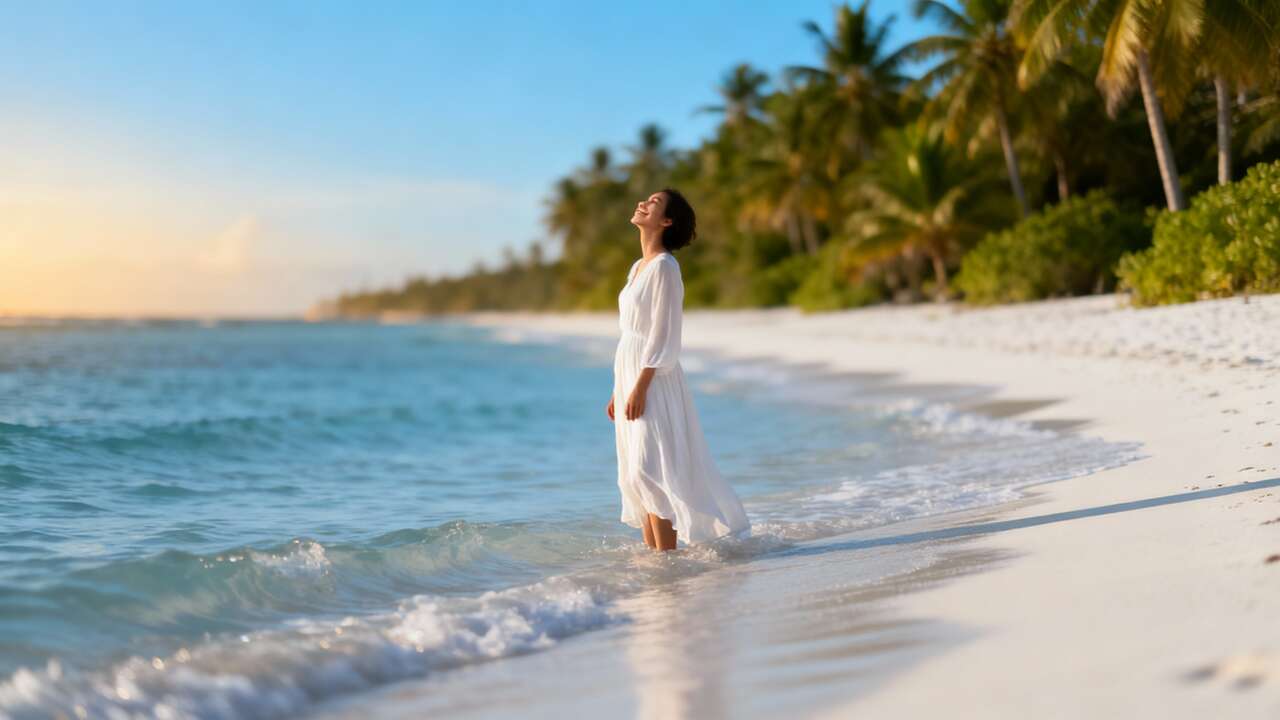

While many dream of turquoise waters and white sand, the reality of popular beach destinations often involves battling for a spot on the sun lounger. Far from the saturated resorts of the Caribbean, a volcanic archipelago off the coast of West Africa offers an equally stunning, yet serenely different, escape. Cape Verde, a nation of ten distinct islands, is emerging as a sanctuary for travelers seeking pristine coastlines, a vibrant Creole culture, and the rare luxury of solitude. Its shores remain largely untouched by mass tourism, providing a genuine sense of discovery for those willing to venture beyond the beaten path.
The secret beaches of the Cape Verde archipelago
What makes them unique ?
The beaches of Cape Verde stand apart not just for their beauty, but for their diversity and tranquility. Unlike the often-overdeveloped coastlines of more famous destinations, here you can find vast, windswept dunes rolling into the Atlantic on one island, and sheltered golden coves on another. The powerful Atlantic winds, especially during winter months, sculpt the landscape and create world-class conditions for watersports like kitesurfing and windsurfing. Yet, there are countless protected bays where the water is calm and crystal-clear, perfect for swimming and relaxation. The secret lies in their raw, natural state, where it is still possible to walk for miles along a shoreline like Santa Monica Beach on Boa Vista and encounter only a handful of other people.
A comparison with the Caribbean
While both regions boast stunning tropical settings, Cape Verde offers a distinct experience. The archipelago generally presents a more rustic and authentic adventure compared to the polished, all-inclusive-dominated tourism model prevalent in many Caribbean islands. This difference is reflected in crowd levels, atmosphere, and even the type of activities available. The cultural immersion in Cape Verde, with its unique blend of African and Portuguese influences, provides a depth that goes far beyond the beach itself.
| Feature | Cape Verde | Typical Caribbean Destination |
|---|---|---|
| Crowd Level | Low to moderate | High to very high |
| Atmosphere | Relaxed, authentic, adventurous | Bustling, resort-focused, commercialized |
| Primary Activities | Watersports, hiking, cultural exploration, relaxation | All-inclusive resorts, nightlife, cruises |
| Landscape | Volcanic, arid, diverse across islands | Lush, tropical, relatively uniform |
This unique combination of stunning landscapes and a more subdued atmosphere makes the archipelago a compelling choice. Understanding the distinct character of each island is key to unlocking the full potential of this diverse nation.
Exploring the lesser-known African archipelago
A mosaic of ten islands
Cape Verde is not a monolith; it is an archipelago where each of the ten islands possesses a unique personality and landscape. Formed by volcanic activity, the islands are geographically divided into two groups: the Barlavento (windward) islands in the north and the Sotavento (leeward) islands in the south. This geological and geographical diversity means travelers can experience dramatically different environments within a short boat or plane ride. From the lunar-like volcanic landscapes of Fogo to the green, mountainous terrain of Santo Antão, the scenery is constantly changing.
- Sal and Boa Vista: The most popular for tourism, known for their expansive sandy beaches and desert-like interiors.
- Santiago: The largest island, home to the capital city, Praia, and a hub of African culture and history.
- São Vicente: The cultural heart of the nation, famous for its music, art, and the vibrant city of Mindelo.
- Fogo: Dominated by the active volcano Pico do Fogo, offering incredible hiking and unique vineyards.
- Santo Antão: A hiker’s paradise with dramatic green peaks, deep ribeiras (valleys), and stunning coastal paths.
A rich cultural heritage
Discovered uninhabited by Portuguese explorers in the 15th century, the islands became a central hub in the transatlantic slave trade. This dark history forged a new, resilient Creole culture, a profound fusion of African roots and European influences. This heritage is most palpable in the country’s music, particularly the soulful morna, a melancholic genre made famous worldwide. It is also evident in the local language, Kriolu, and the warm, welcoming philosophy of “morabeza”, a term that encapsulates the nation’s unique spirit of hospitality and kindness. This rich history provides a compelling cultural backdrop to the natural beauty of the islands.
With such a variety of experiences on offer, timing your visit can greatly enhance your enjoyment of the islands’ specific attractions, from sun-drenched beaches to ideal hiking conditions.
When to visit Cape Verde to enjoy its beaches
Year-round sunshine
One of Cape Verde’s greatest assets is its climate. Located in the Sahelian arid zone, the archipelago enjoys a temperate dry tropical climate with very little rainfall and abundant sunshine throughout the year. Temperatures are remarkably stable, making it a true year-round destination. Unlike the Caribbean, it is not in the hurricane belt, removing the threat of major tropical storms during the summer and autumn months. The ocean temperatures remain pleasant for swimming all year, rarely dropping below 23°C (73°F).
Peak season vs. off-season
While the weather is consistently good, there are slight seasonal variations to consider. The peak tourist season runs from November to April, when European travelers escape their cold winters. This period is also the windiest, known as the Tempo das Brisas, creating world-class conditions for kitesurfing and windsurfing, especially on Sal and Boa Vista. The summer months, from June to October, are slightly warmer with less wind, making it ideal for those who prefer calmer seas and pure beach relaxation. This is also the period with a slightly higher chance of rain, though showers are typically short-lived.
| Season | Months | Average Temperature | Characteristics |
|---|---|---|---|
| Windy Season (High Season) | November – April | 24-26°C (75-79°F) | Strong, consistent winds. Ideal for watersports. Dry. |
| Summer Season (Low Season) | May – October | 26-29°C (79-84°F) | Lighter winds, warmer sea. Higher humidity. Slight chance of rain. |
Choosing the right time to visit depends on your priorities, but knowing which islands excel in offering that perfect beach experience is just as crucial.
The best islands for paradisiacal beaches
Sal: the island of sun and sand
For many visitors, Sal is the gateway to Cape Verde, and for good reason. Its name, meaning “salt” in Portuguese, hints at its arid landscape and the historic salt mines at Pedra de Lume. The island’s main draw is the town of Santa Maria on the southern tip, which is flanked by an eight-kilometer stretch of stunning white sand. Santa Maria Beach is the heart of the action, with turquoise waters, beachfront bars, and a range of water activities. Yet, even here, it is easy to find a quiet patch of sand away from the main hub. For a more rugged experience, the western coast offers dramatic scenery and powerful waves at Ponta Preta, a legendary spot for surfers.
Boa Vista: dunes and desert oases
Boa Vista, the archipelago’s easternmost island, is a sanctuary for those seeking true seclusion. It is less developed than Sal and is characterized by vast, desert-like landscapes and seemingly endless beaches. Santa Monica Beach is often cited as the country’s most beautiful, with over 18 kilometers of pristine, untouched white sand. Further north, Praia de Chaves features spectacular rolling sand dunes that meet the ocean. Boa Vista is also a critical nesting site for loggerhead turtles, and a visit between July and October offers a chance to witness this incredible natural spectacle.
São Vicente: culture by the coast
While São Vicente is primarily known as the cultural capital, it is not without its coastal charms. The main beach, Laginha, is a perfect crescent of white sand right in the city of Mindelo. It is a vibrant social hub where locals gather to swim, play sports, and relax, offering a fantastic blend of beach life and urban energy. For those seeking more solitude, a short drive leads to Baía das Gatas, a large, calm natural lagoon, and Praia Grande, a wild and beautiful stretch of sand pounded by Atlantic waves.
Of course, the appeal of Cape Verde extends far beyond its beautiful coastlines, delving deep into a culture that is as captivating as its landscapes.
Local charm and culture: beyond the beaches
The sound of morna music
To understand Cape Verde is to listen to its music. The soul of the nation is expressed through morna, a melancholic and poetic musical genre that speaks of love, longing, and the diaspora experience of “sodade”. In the vibrant city of Mindelo on São Vicente, the birthplace of this music, its soulful melodies drift from bars and restaurants every evening. Attending a live music performance is an essential experience, offering a profound connection to the history and emotions of the Cape Verdean people. The lively, upbeat rhythms of coladeira and funaná provide a joyful contrast, often inspiring spontaneous dancing.
A taste of Cape Verdean cuisine
The local gastronomy is a delicious reflection of the archipelago’s Creole heritage. The national dish is cachupa, a hearty slow-cooked stew of corn, beans, vegetables, and either fish or meat. It is a staple of every household and a must-try for any visitor. Given its location, fresh seafood is abundant and expertly prepared. Simple grilled fish, often tuna or wahoo, served with rice and vegetables, is a common and delicious meal. Local specialties also include buzio (conch stew) and fresh lobster, often enjoyed with feet in the sand at a beachside restaurant.
The spirit of “morabeza”
Perhaps the most enduring memory for many visitors is the warmth of the Cape Verdean people. “Morabeza” is a unique Kriolu concept that does not have a direct translation but encompasses a spirit of hospitality, friendliness, and easy-going charm. It is felt in the ready smiles of strangers, the relaxed pace of life, and the genuine welcome extended to visitors. This intangible quality makes exploring the islands a truly heartwarming experience, transforming a simple vacation into a meaningful cultural exchange.
This deep-rooted respect for community and place is increasingly being channeled into efforts to preserve the natural environment that makes the archipelago so special.
Sustainable tourism and environmental respect in Cape Verde
Protecting marine life
Cape Verde’s waters are a globally important biodiversity hotspot, home to whales, dolphins, and several species of sea turtles. The loggerhead sea turtle, in particular, has one of its most important nesting sites in the world on the beaches of Boa Vista. Recognizing the fragility of this ecosystem, local NGOs and conservation groups are working tirelessly to protect these creatures. Many tour operators now offer responsible wildlife watching tours, adhering to strict guidelines to minimize disturbance. As a visitor, you can support these efforts by choosing ethical tour providers and participating in guided turtle walks that contribute directly to conservation funding.
Community-based tourism initiatives
As tourism grows, there is a strong movement towards ensuring that its benefits are shared with local communities. This includes staying in small, locally-owned guesthouses instead of large foreign-owned resorts, eating at local restaurants, and buying crafts directly from artisans. On islands like Santo Antão and Fogo, community-based hiking tours are becoming popular, where local guides lead visitors through their villages, sharing their way of life and providing an authentic and mutually beneficial experience. Supporting these initiatives helps preserve the unique culture and ensures that tourism develops in a way that is sustainable and empowering for the Cape Verdean people.
Cape Verde offers a compelling proposition: a destination that combines world-class beaches with a deep, accessible culture and a commitment to preserving its natural treasures. It stands as a reminder that the greatest luxury in travel is often the discovery of a place that feels both beautiful and real, far from the well-trodden tourist trail.

- The 5 most affordable ski resorts in North America for the 2025 season - 13 November 2025
- Far Less Crowded Than the Grand Canyon, This Utah Park Offers Views Just as Spectacular This Fall - 13 November 2025
- This California Town Has a Unique Danish Village Vibe You Won’t Find Anywhere Else - 12 November 2025
Pubblicazioni simili :
 The 4 best Caribbean islands that *aren’t* overrun with tourists in winter
 Forget the Keys: This Laid-Back Florida Island Is the Real Undiscovered Paradise This Autumn
 Far From the Crowds of Zion, This Utah State Park Is a Secret Hiker’s Paradise This Autumn
 Forget the Beach, This California Desert Is the Trendiest Road Trip Destination for Autumn 2025